Abu‑Bilal al‑Minuki, the second‑in‑command of the Islamic State network, was killed in a joint U.S.‑Nigerian operation in Nigeria, the presidents of both countries announced on Saturday.
U.S. President Donald Trump said the strike, carried out by American and Nigerian forces, eliminated al‑Minuki and several of his lieutenants at an Islamic State compound in the Lake Chad basin. In a post on Truth Social, Trump described the mission as “meticulously planned and very complex” and praised intelligence sources that tracked the terrorist’s movements. He added that al‑Minuki’s death would diminish ISIS’s global operational capacity.
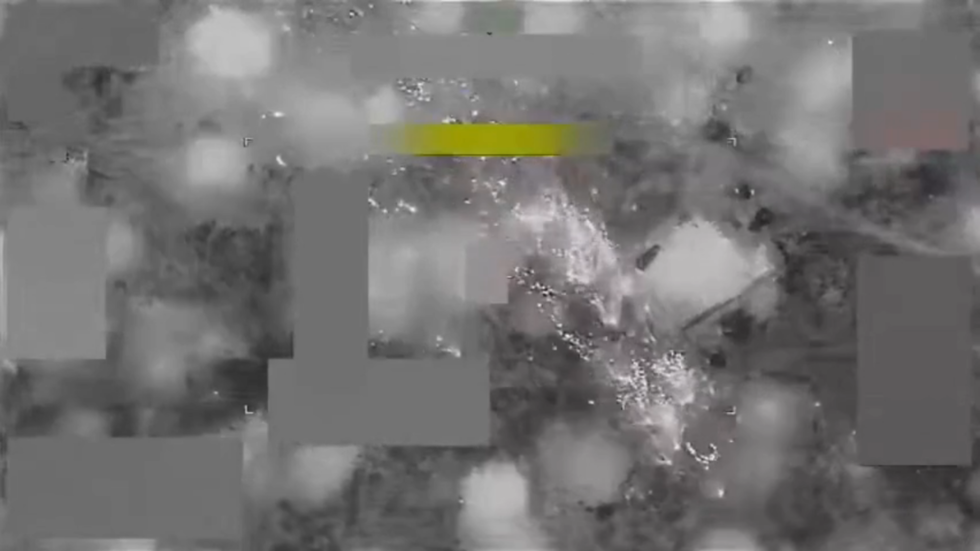
Nigerian President Bola Ahmed Tinubu confirmed the killing in a statement on X, noting that the target was part of a significant IS presence in northeastern Nigeria. The U.S. Africa Command (AFRICOM) later released aerial footage of the bombardment, showing the strike’s precision.
The United States designated al‑Minuki, a Nigerian national, as a “specially designated global terrorist” in 2023, accusing him of providing operational guidance and funding for ISIS worldwide. The strike follows a series of U.S. actions in the region, including December airstrikes against IS‑linked militants and the deployment of 200 American personnel to train and advise Nigerian forces. Those troops remain in a non‑combat role, according to both governments.
The operation comes as Washington seeks to reinforce its influence in Africa’s Sahel region, where recent coups and rising anti‑Western sentiment have challenged U.S. and European strategic interests. Counterterrorism officials say the elimination of a senior figure like al‑Minuki signals a notable setback for ISIS affiliates operating across West and Central Africa, where weak governance and socio‑economic grievances continue to fuel insurgent activity.
While the strike marks a tactical victory, analysts caution that the broader insurgency is unlikely to be resolved by a single operation. Ongoing collaboration between U.S. and Nigerian security forces, alongside regional partners, will be essential to contain extremist networks and stabilize affected communities.
The next steps include a detailed assessment by AFRICOM of the strike’s impact on ISIS command structures and continued intelligence sharing to prevent the emergence of new leadership within the group.