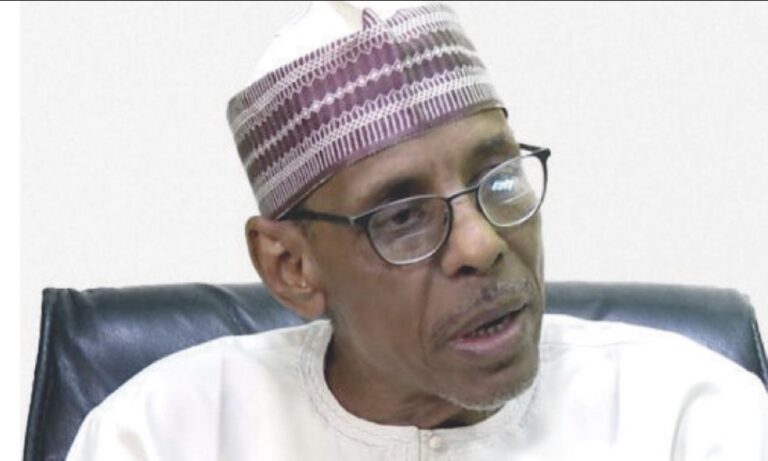
Former Botswana President Festus Mogae’s death has revived a long‑standing debate about political tenure on the continent: why does prolonged rule so often lead to instability in Africa?
Mogae was part of a small cohort of African leaders who treated the presidency as a temporary mandate while strengthening institutions that could outlive any individual. After two terms, he stepped down peacefully, and Botswana continued to function without economic collapse or democratic backsliding. The country’s experience shows that a smooth transition is possible when the state is built around enduring structures rather than a single personality.
Across Africa, however, many leaders still view their departure as a potential trigger for national crisis. Constitutional amendments, the removal of term limits and the concentration of power in the executive have become commonplace. Such practices tend to erode checks and balances, foster corruption, depress investment and fuel youth unemployment. When political survival eclipses policy reform, loyalty is prized over competence and governments become insulated from ordinary citizens. The result is often economic stagnation, institutional decay and, in extreme cases, violent unrest.
Botswana’s example is not isolated. South Africa’s first democratic president, Nelson Mandela, could have remained in office for many more years after his historic election, yet he chose to serve only one term. Mandela’s decision was rooted in the belief that personal legitimacy does not translate into a perpetual claim on power. His voluntary exit reinforced the notion that democratic institutions, not individual charisma, should safeguard the nation’s future.
The recurring pattern suggests that the continent’s most pressing challenge is not the absence of strong leaders but the lack of mechanisms that make retirement attractive and secure for those who have served. Many incumbents fear prosecution, loss of status or financial hardship after leaving office, prompting them to cling to power even when renewal is needed. Providing dignified post‑presidential arrangements—pensions, security, health care and ceremonial roles—could alleviate these fears. While such provisions entail costs, they are modest compared with the economic damage caused by political crises, capital flight and sanctions that often follow contested successions.
Africa’s path forward lies in reinforcing institutions that can manage leadership change without disruption. The legacy of Festus Mogae and the precedent set by Nelson Mandela illustrate that a president can leave office with dignity and continue to command respect. Their examples underscore that sustainable development depends more on the resilience of state structures than on the longevity of any single ruler.
As the continent reflects on Mogae’s contribution, policymakers and civil society alike are urged to prioritize constitutional safeguards, transparent succession processes and support systems for former heads of state. Strengthening these foundations will help ensure that African nations are built on systems that endure, rather than on leaders who never step aside.