
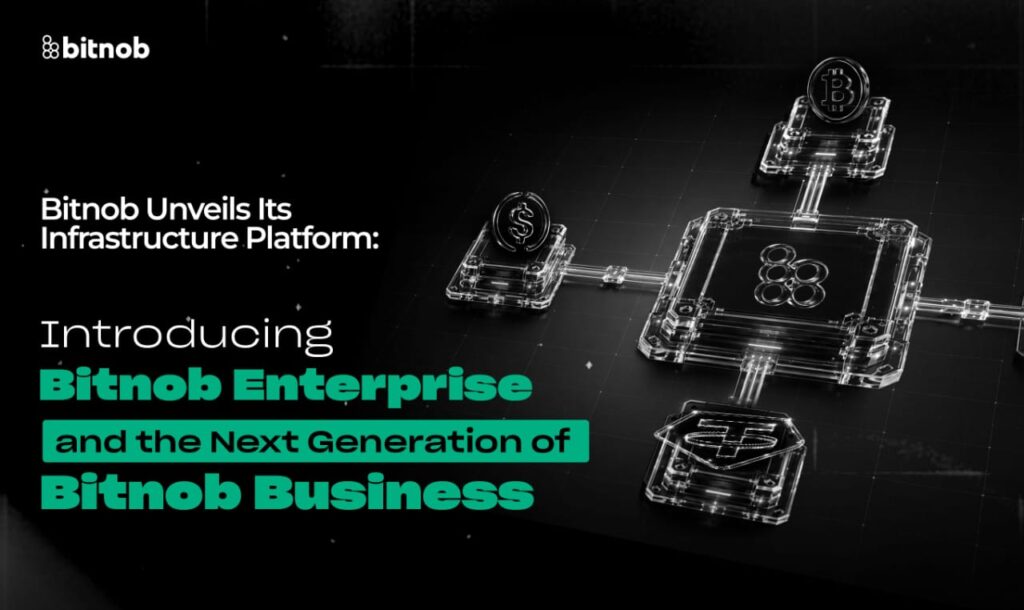
Bitnob is no longer just a one-size-fits-all financial infrastructure provider. The company, which began as a consumer Bitcoin app in 2021, has quietly processed over $4.5 billion in transactions for hundreds of businesses worldwide. Now, it’s splitting its offering into two distinct products: Bitnob Enterprise and the next generation of Bitnob Business.
Bitnob Enterprise is a new non-custodial infrastructure stack designed for organizations and developers who want full control over how they build and operate financial products. It hands over the keys—literally. Clients retain control of their custody architecture, key management, treasury controls, and operational workflows.
On the other side, the revamped Bitnob Business is a managed platform for businesses that prefer to focus on growth without worrying about the underlying technology. It expands treasury capabilities, deepens integrations, improves stablecoin swap functionality, broadens on-ramp options, and extends off-ramp coverage to more than 110 countries.
Both products run on the same underlying infrastructure. The difference is purely about control versus convenience.
“Some want a managed platform that allows them to focus entirely on growth. Others want greater ownership and flexibility over how their products are built,” said Bernard Parah, Founder and CEO of Bitnob. “This evolution allows us to support both.”
The timing is strategic. Global demand for modern financial rails is accelerating. According to a 2025 report by Oui Capital, Africa’s cross-border payments corridor is projected to grow from roughly $329 billion annually today to nearly $1 trillion by 2035. Stablecoin-powered payment rails are helping businesses reduce settlement costs and move money more efficiently across borders.
In Sub-Saharan Africa, stablecoins now account for a significant share of digital asset transaction volume. The driving force is not speculation but practical use cases: supplier payments, treasury management, cross-border settlements, and access to dollar-denominated liquidity.
Regulatory frameworks for stablecoins are also emerging in major markets. Institutional participation is rising. Financial infrastructure providers are increasingly exploring how programmable rails can complement traditional banking systems.
Bitnob’s bet is that the future of finance won’t be a choice between traditional and digital asset rails, but a combination of both. As businesses operate across borders from day one, the need for infrastructure that is global, programmable, and accessible continues to grow.
Bitnob Business and Bitnob Enterprise are available free starting today.




Comments are closed for this story.