
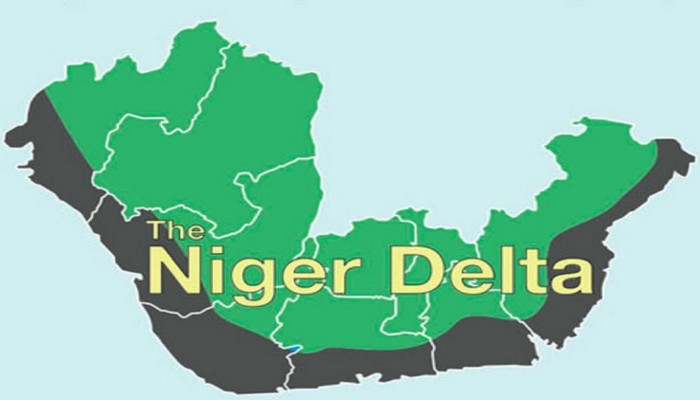
The Niger Delta’s relentless cycle of environmental ruin, poverty, and stagnation isn’t caused by missing laws. It’s the direct result of a broken system that refuses to enforce the ones already on the books. That was the stark message from Henry Odein Ajumogobia, a former Minister of State for Petroleum Resources and Foreign Affairs, as he delivered the keynote address at the 2026 Niger Delta Development Commission (NDDC) Law and Development Summit in Port Harcourt.
Ajumogobia, a Senior Advocate of Nigeria, didn’t mince words. He declared that the oil-rich region has been betrayed not by a shortage of legal texts, but by a catastrophic failure of legal governance. “The Niger Delta is not suffering from a lack of law. It is suffering from a failure of legal governance,” he stated. He argued that true development will only arrive when host communities are armed with enforceable legal rights—rights that guarantee their participation in oil operations, a fair share of revenues, and a real seat at the decision-making table. Communities, he insisted, must no longer be passive bystanders as their environment and livelihoods are carved up around them.
His prescription was bold and specific. Ajumogobia called for an absolute legal ban on routine gas flaring, a practice he branded one of the region’s most enduring environmental scourges. “Gas flaring must end, not in rhetoric, but in law,” he said, demanding stringent penalties that actually deter offenders. He also pushed for the creation of specialized environmental courts with real teeth. “Because without consequences, there is no compliance,” he added.
The former minister took direct aim at the over-centralization of resource governance, arguing that the federal government’s iron grip on natural wealth has alienated oil-producing communities, breeding distrust, conflict, and underdevelopment. He demanded transparency, insisting that petroleum revenues, contracts, and community development funds be thrown open to public scrutiny. “Secrecy is the breeding ground of corruption,” he warned.
Meanwhile, NDDC Managing Director Samuel Ogbuku outlined the commission’s own push for reform, revealing that the agency has achieved nearly 90 percent digitalization of its internal processes. Contractors can now sign and execute agreements electronically, a move aimed at cutting bureaucracy and improving efficiency. Chiedu Ebie, Chairman of the NDDC’s Seventh Governing Board, echoed the call for a legal framework that is “bold, responsive, and fit for purpose,” lamenting that cumbersome appropriation structures and regulatory hurdles have slowed project implementation across the region.
The summit, which gathered legal experts, policymakers, and stakeholders, was convened to explore how legal reforms can finally break the “Niger Delta paradox”—a region drowning in resource wealth yet starved of development. As Ajumogobia put it, “The Niger Delta paradox is not inevitable. It is fundamentally a governance outcome, and governance is shaped by law.”




Comments are closed for this story.