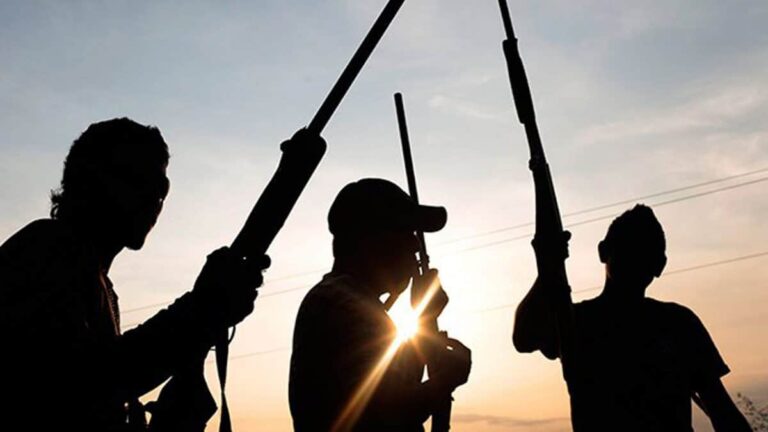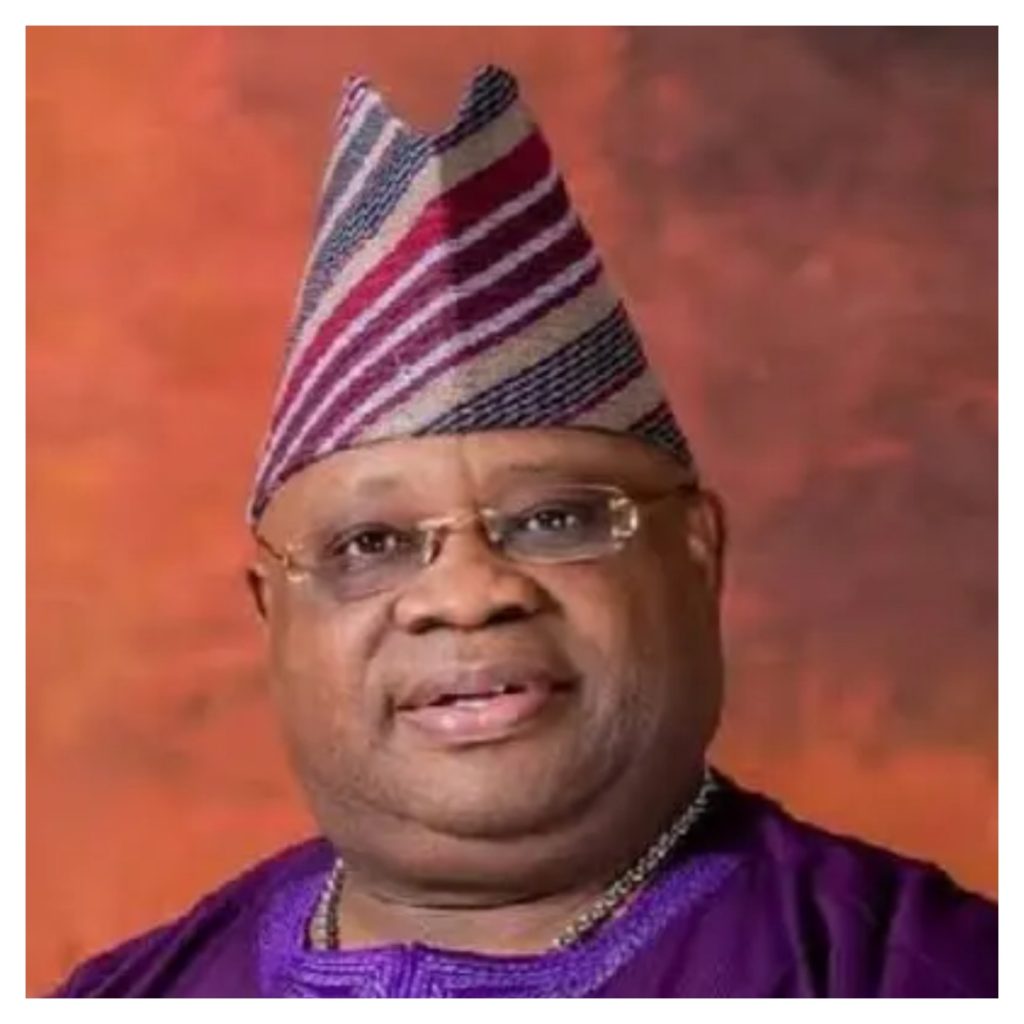
Ahead of the August 15, 2026 governorship election, the Imole Campaign Council— the organisation backing Osun State Governor Ademola Adeleke—has warned of potential political violence and intimidation. In a statement released on Sunday and signed by spokesman Pelumi Olajengbesi, the council urged security agencies to guarantee a peaceful, free, fair and credible vote.
“Our independent assessment and engagements with voters across the state reveal a common sentiment. The people of Osun are prepared to vote decisively against the APC, driven largely by widespread concerns over what many residents describe as a pattern of political intimidation, violence, and insecurity allegedly associated with actors loyal to the opposition party,” the council said.
The council highlighted the achievements of Adeleke’s administration, arguing that voters would reject any attempt to return the state to an era of insecurity and poor governance. It noted that under Governor Adeleke, workers receive salaries promptly, infrastructure is being modernised, public institutions revitalised, and investments are being made in the welfare of the people.
In addition to calling for a peaceful election, the Imole Campaign Council appealed to the Inspector‑General of Police, the Department of State Services and other security agencies to protect citizens’ rights and uphold the integrity of the electoral process. The council maintained that the outcome should reflect the will of Osun residents, not be swayed by fear or coercion. “The decision on August 15 belongs to the people of Osun State. They deserve an election that reflects their freely expressed will, not one manipulated through fear, violence, or coercion,” it added.
Osun State, located in southwestern Nigeria, has a history of competitive politics. The upcoming election will determine whether the incumbent administration can secure a second term amid growing concerns about political security. The APC, the main opposition party, has been accused by some of fostering an environment of intimidation, a claim that the Imole Campaign Council seeks to counter by emphasising the current administration’s record on governance and public service delivery.
Security agencies have responded by reaffirming their commitment to maintaining order during the campaign period. Police officials have announced increased patrols in key polling units, while the Department of State Services has pledged to investigate any incidents of intimidation or violence promptly.
Observers note that the council’s call for a fair election aligns with broader national efforts to strengthen democratic processes. The Independent National Electoral Commission (INEC) has previously stressed the importance of free and fair Elections, and it has urged all parties to respect the rule of law.
As the campaign heats up, stakeholders will watch closely how security measures are implemented and whether the concerns raised by the Imole Campaign Council materialise. The outcome of the August 15 election will not only shape Osun’s political landscape but also serve as a barometer for Nigeria’s broader democratic Health.