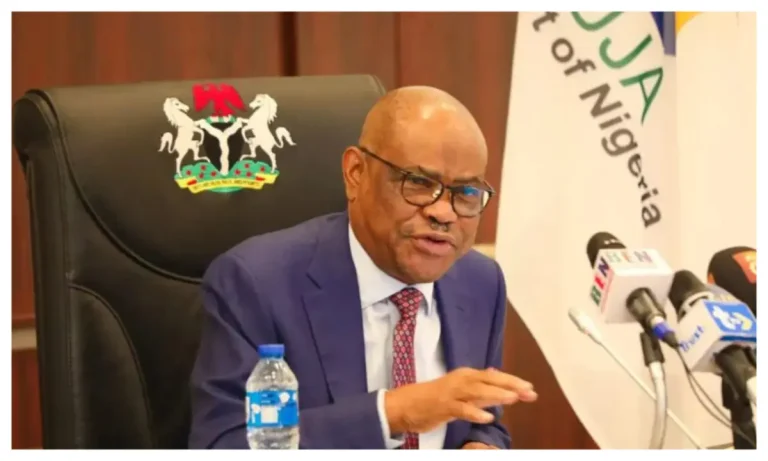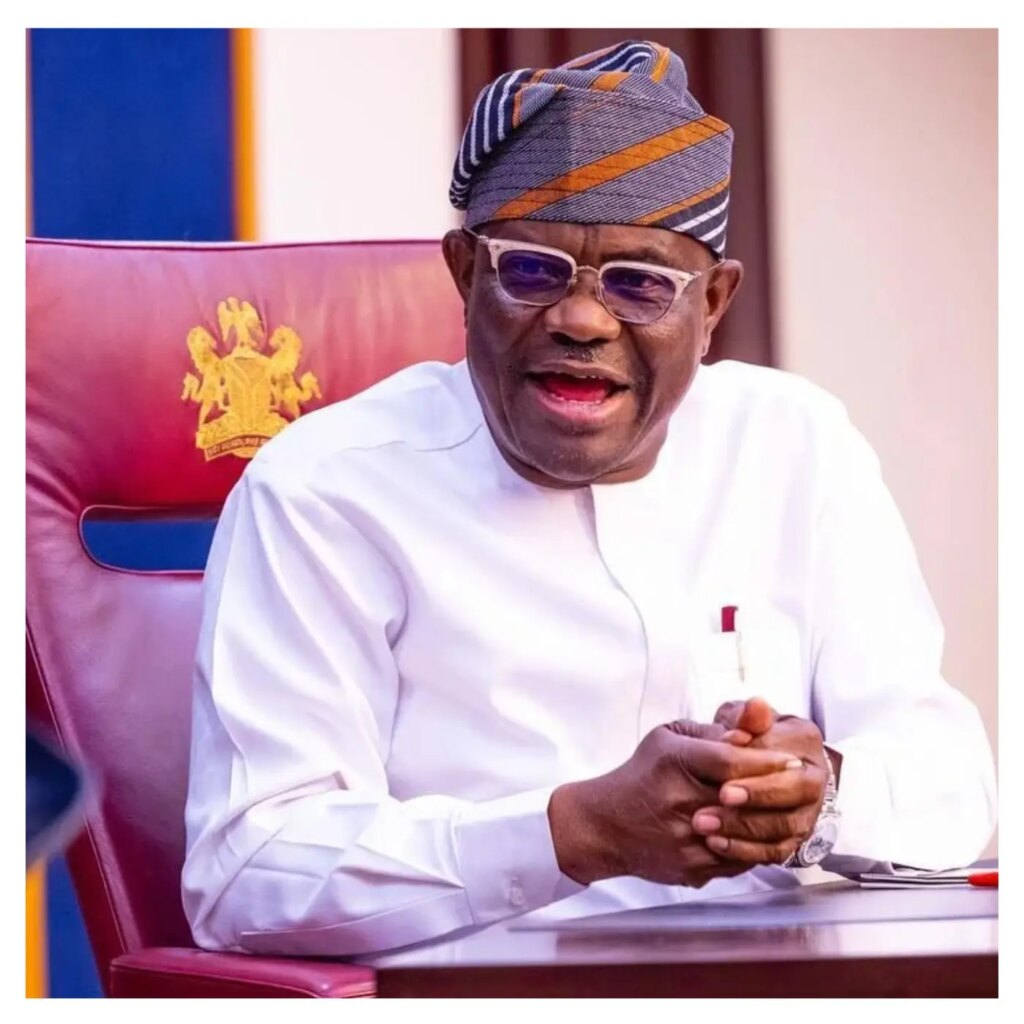
Federal Capital Territory Minister Nyesom Wike has accused Cardinal John Onaiyekan, the Archbishop Emeritus of the Catholic Diocese of Abuja, of openly backing a candidate for the 2027 presidential election. Wike made the allegation during a media engagement with selected journalists in Abuja, stating that the clergy’s political preference is widely known.
According to the minister, religious leaders, including Onaiyekan, took visible sides during the 2023 general Elections and are positioning themselves similarly ahead of the next electoral cycle. “I’m aware of Cardinal Onaiyekan’s position. It’s not hidden who he supports. Everybody knows that,” Wike said. “In 2023, religious leaders took sides. It was very open.”
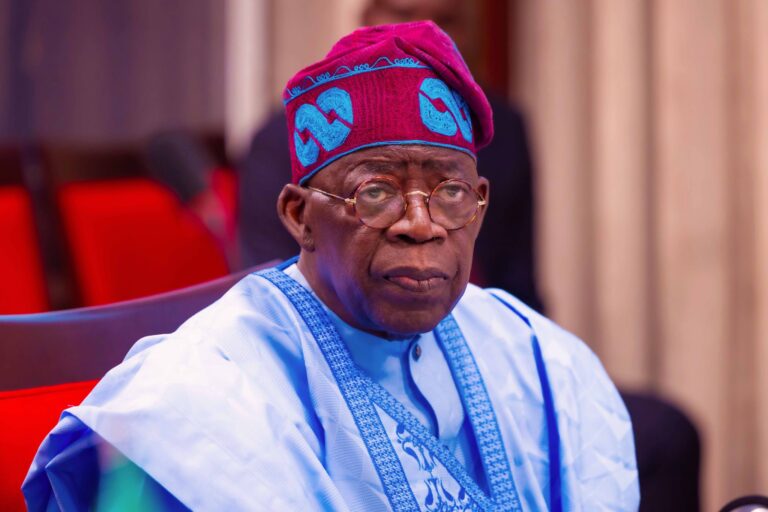
The remarks came in response to controversy surrounding Onaiyekan’s decision to disclose details from a recent closed-door meeting between President Bola Tinubu and the Catholic Bishops Conference of Nigeria. Wike argued that the cardinal’s intervention reflected a partisan stance on national issues. “If a religious leader is perceived or seen to be taking a side and it’s very clear, it becomes difficult for people to see those comments as helpful or real,” he added.
The minister’s comments underscore growing tension between political officeholders and religious figures over the latter’s public engagement on governance and electoral matters. While the Catholic Church has historically played a prominent role in national discourse through pastoral letters and advocacy, Wike’s assertions suggest a perception that such interventions are increasingly aligned with specific political interests.
Observers note that the credibility of religious leaders as neutral moral arbiters often hinges on their perceived impartiality. When clergy are seen as endorsing particular candidates or factions, their capacity to mediate or offer constructive critique may be diminished in the eyes of the public and political actors alike.
The development highlights the delicate balance religious institutions navigate in Nigeria’s polarized political landscape. As the 2027 election cycle approaches, scrutiny of public statements by prominent clerics is likely to intensify, with implications for both interfaith relations and the broader conversation about the role of faith in democratic processes.