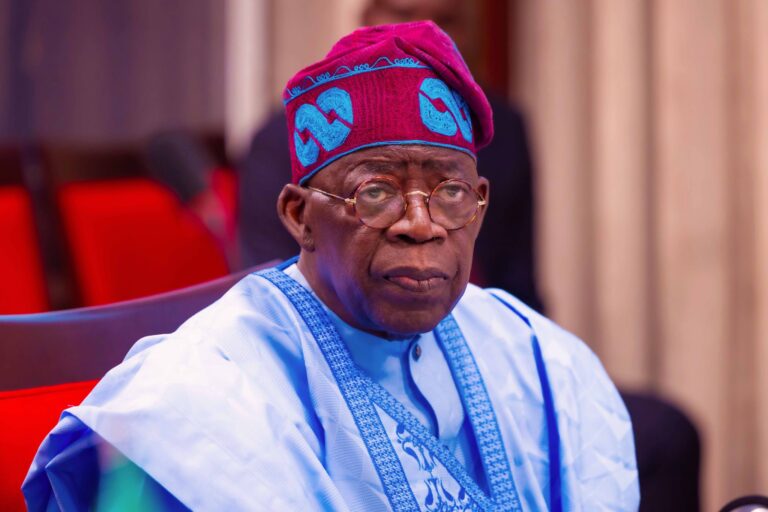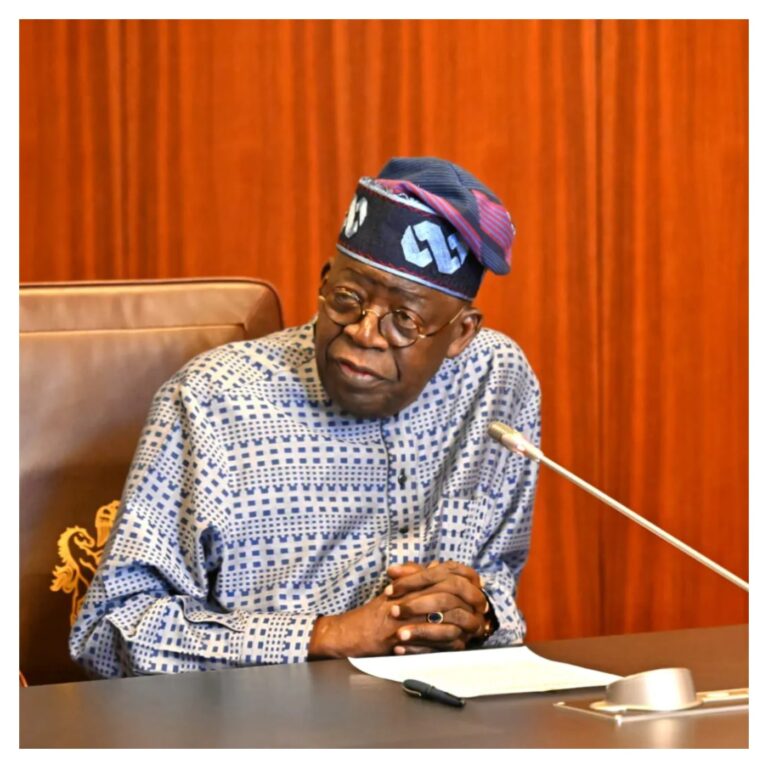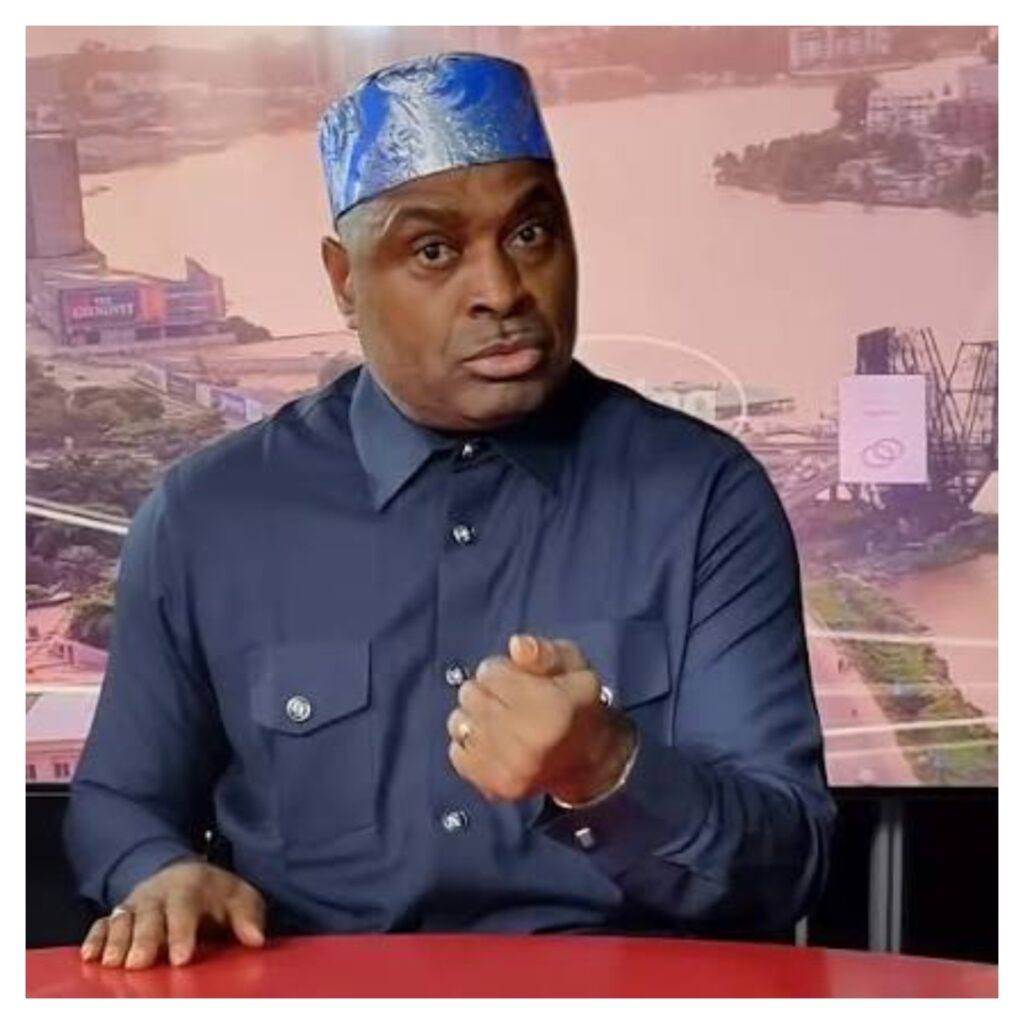
Kenneth Okonkwo, a chieftain of the African Democratic Congress, has asserted that President Bola Tinubu’s failure to submit primary and secondary school certificates to the Independent National Electoral Commission renders him constitutionally unqualified for the presidency.
In a post on X, Okonkwo argued that Nigerian law requires five credit passes at the Ordinary Level for university admission, a prerequisite Tinubu has not publicly documented. He noted that while the president presented a university certificate, the institution named — Chicago State University — publicly disavowed the document’s authenticity. Without verifiable secondary school credentials or their equivalent, Okonkwo contended, Tinubu does not meet the constitutional threshold for the office.
Okonkwo further criticised what he described as judicial overreach, accusing some judges of interpreting laws from the bench without legislative authority. He warned that such “judicial rascality” undermines democracy, citing warnings from the Chief Justice of Nigeria and the National Judicial Council that have gone unheeded. According to Okonkwo, sections of the judiciary have effectively usurped the powers of the executive and legislature through what he termed “perverse judgement.”
The controversy over Tinubu’s academic records has persisted since the 2023 election cycle, when INEC published candidate credentials showing only a university certificate. The absence of primary and secondary documentation has fuelled sustained public debate over compliance with Section 131 of the 1999 Constitution, which sets minimum educational standards for presidential aspirants.
Legal analysts note that while the Supreme Court previously ruled on the matter, dismissing challenges to Tinubu’s qualification, critics maintain that the core evidentiary gaps remain unresolved. The discourse reflects broader concerns about transparency, institutional accountability, and the judiciary’s role in electoral disputes.
As the conversation continues, stakeholders across civil society and the legal community are calling for clearer enforcement of constitutional requirements to safeguard the integrity of Nigeria’s democratic process.