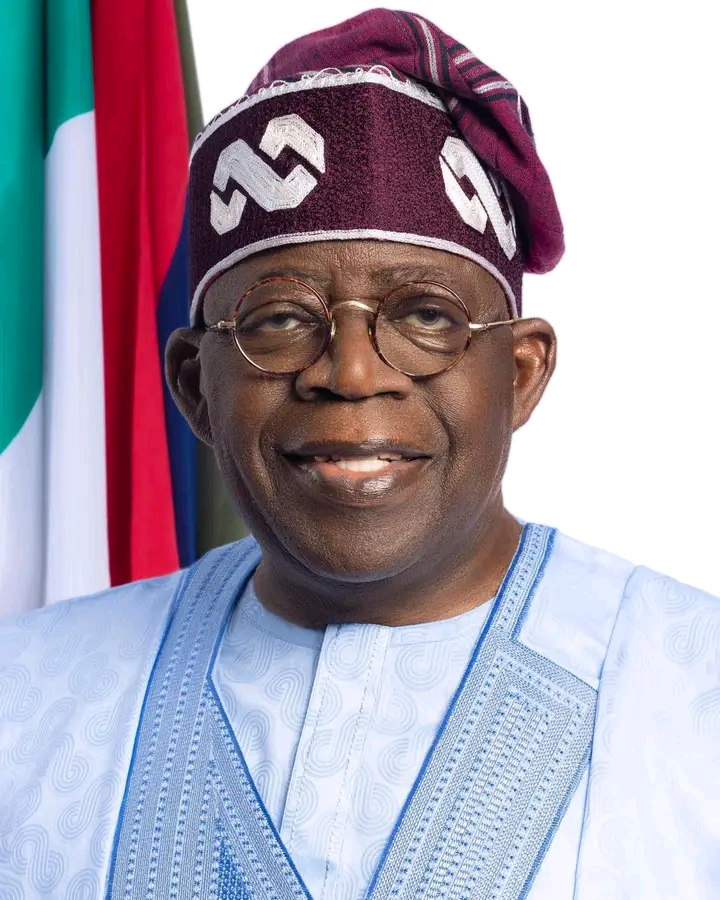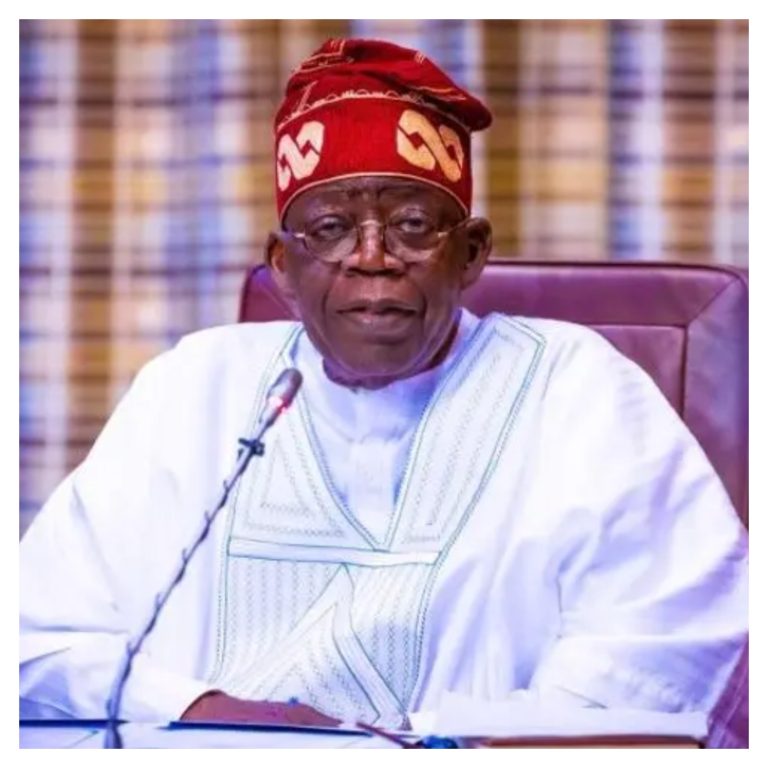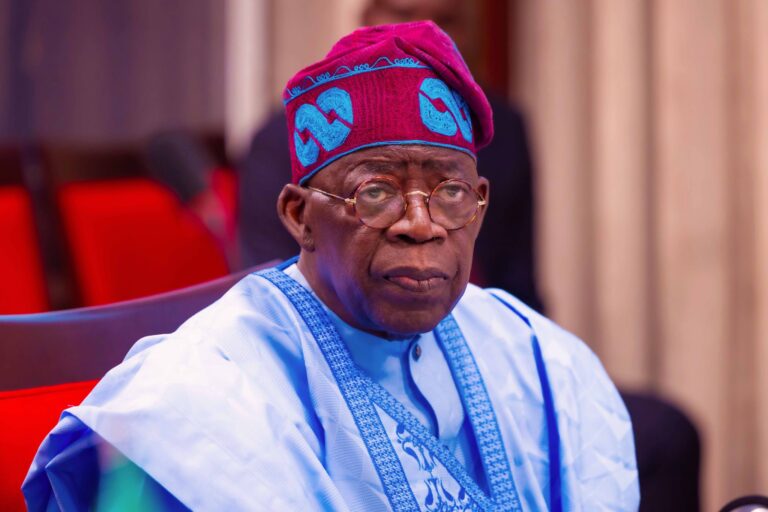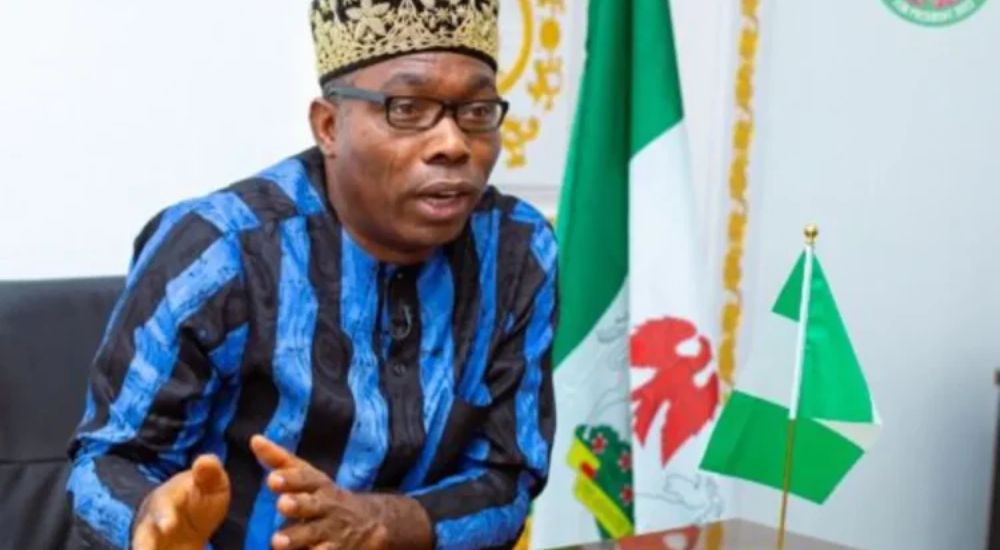
Social Democratic Party presidential candidate Adewole Adebayo has called for President Bola Ahmed Tinubu to resign following the freezing of the Osun State Government’s account by the Economic and Financial Crimes Commission. Adebayo made the demand while addressing journalists in Abuja after a public event.
The EFCC froze the state’s account held at First Bank after detecting what it described as suspicious transactions. The action occurred shortly before the Osun governorship election, triggering widespread concern. The commission confirmed the move in an official statement.
In response, presidential spokesperson Bayo Onanuga announced that Tinubu had directed the EFCC to vacate the court order authorizing the freeze. The directive came on the same day Adebayo spoke to reporters.
The episode has prompted demands in some quarters for the resignation of EFCC Chairman Ola Olukoyede. Adebayo, however, argued that accountability rests with the president. “The person who should resign is President Bola Ahmed Tinubu,” he said. “I don’t have enough evidence to suggest that the EFCC chairman should resign. The only person who is at fault here is the President himself because the EFCC is a very difficult place to work.”
Adebayo emphasized that the commission, like other security agencies, operates under complex pressures. He maintained that the ultimate responsibility for the actions of executive agencies lies with the head of state.
The freeze and subsequent presidential intervention have reignited debate over the independence of anti-corruption bodies and the use of state institutions in electoral contexts. Observers note that the timing of the account restriction, so close to a major election, raises questions about political influence over enforcement actions.
The EFCC has not detailed the specific transactions flagged as suspicious. The Osun State Government has yet to issue a formal response to either the freeze or the order to lift it.
The development underscores ongoing tensions between federal authority and state-level governance, particularly in the lead-up to competitive Elections. Calls for institutional reform and clearer operational boundaries for the EFCC are likely to intensify as stakeholders assess the implications of the episode for democratic accountability.