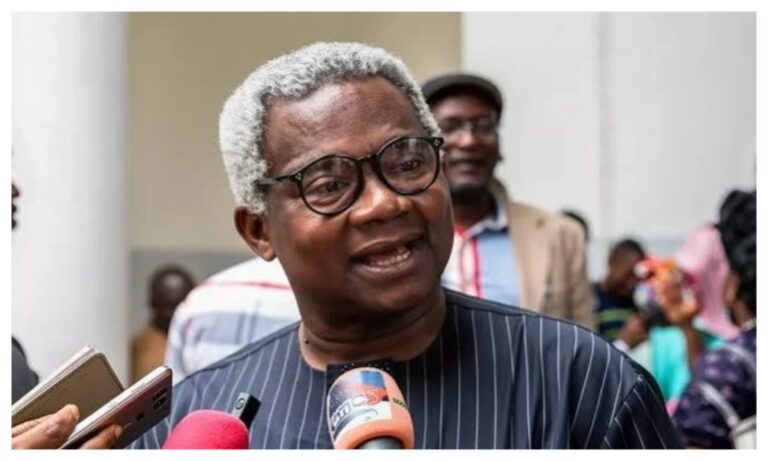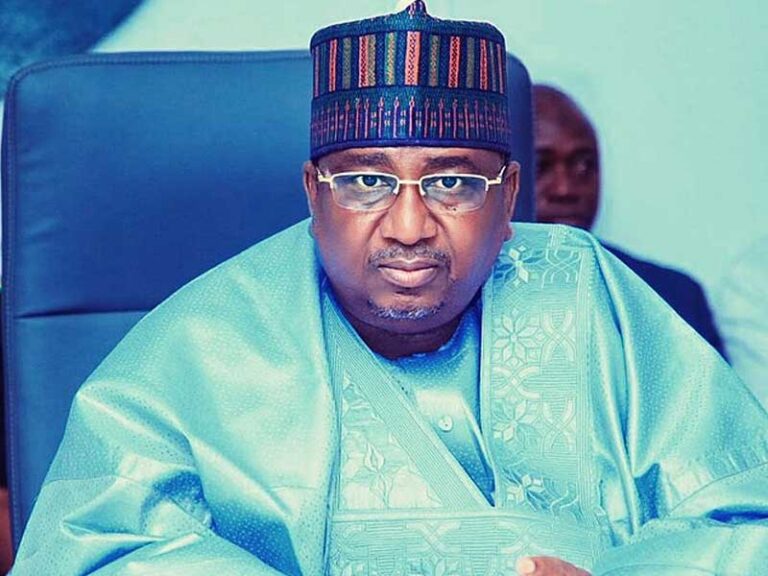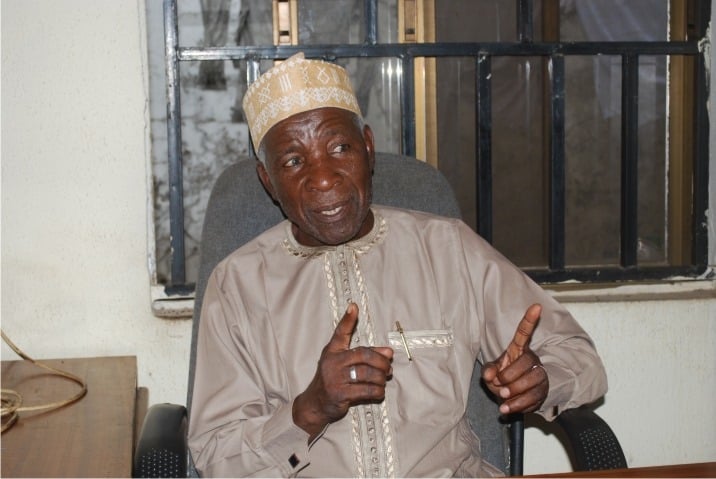
Nigeria Democratic Congress chieftain Buba Galadima has revealed that Bauchi State Governor Bala Mohammed declined to defect to the party after being advised against joining a platform with a strong presidential candidate ahead of the 2027 general Elections.
Speaking at the inauguration of the NDC reconciliation committee, Galadima said Mohammed had agreed to join the opposition party following a late-night meeting but reversed his decision the next morning. According to Galadima, the governor is now “sitting on the political fence” and may ultimately work for either the NDC or President Bola Tinubu of the ruling All Progressives Congress.
“President Tinubu has 34 and a half governors,” Galadima said. “The only governor that is not with him is Seyi Makinde of Oyo State. Alex Otti of Abia State is there. Forget about that. The half is Governor Bala Mohammed.”
Galadima disclosed that discussions with Mohammed lasted until 3 a.m., with an understanding that the governor would formally defect the following day. “He called us in the morning saying he has changed his mind because he was advised not to move to a party with a strong presidential candidate,” Galadima said.
The NDC leader described the situation as fluid. “Bala Mohammed is on the fence. He may work with us, or he may work with President Tinubu,” he added.
The remarks underscore the shifting alliances within Nigeria’s political landscape as parties position themselves ahead of the next electoral cycle. Galadima’s claim that Tinubu commands the loyalty of all but one governor — with Mohammed as the undecided “half” — highlights the ruling party’s current dominance at the state level.
Mohammed, a former minister and senator, has not publicly responded to Galadima’s account. His office did not immediately comment on the alleged meeting or the reported pressure to remain in the APC fold.
The NDC, formed as a merger of opposition groups, is seeking to consolidate a credible alternative to the APC. Galadima’s disclosure suggests that internal calculations over presidential ambitions continue to influence gubernatorial decisions, even at this early stage.
Political analysts say the governor’s hesitation reflects broader uncertainties in the opposition’s ability to present a unified front. With the 2027 elections still distant, defections and realignments are expected to intensify as parties finalize their strategies.
For now, Mohammed’s next move remains a key indicator of the balance of power between the ruling party and its emerging challengers.