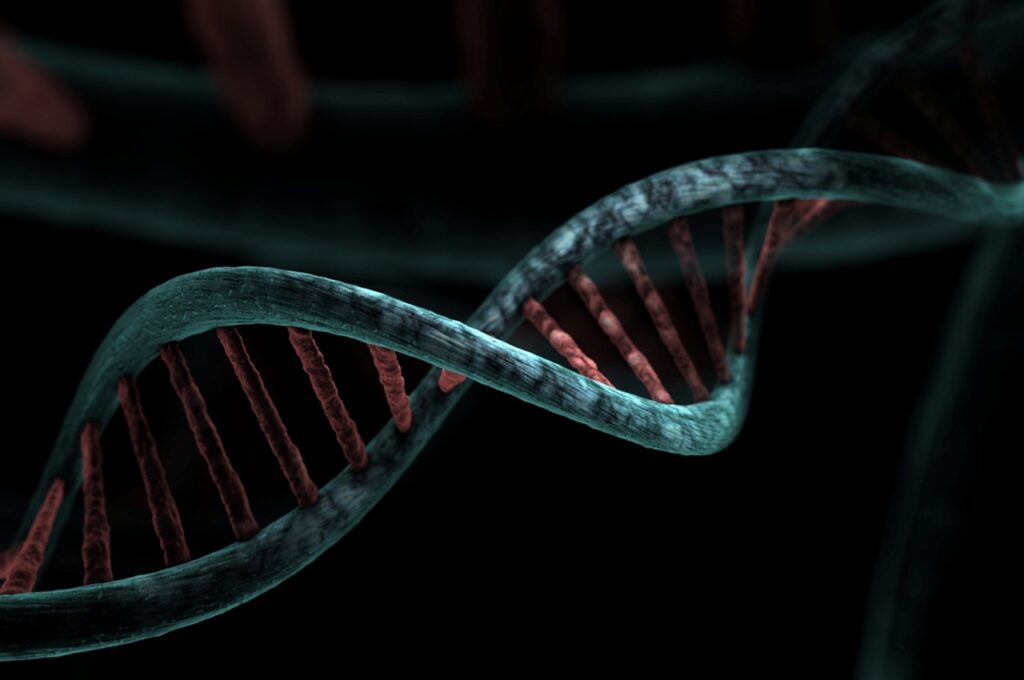
Imagine a microscopic battlefield inside every cell of your body, where the genes you inherited from your mother and father are locked in a silent struggle for control. This isn’t science fiction—it’s genomic imprinting, a biological quirk that flips the script on everything you learned about inheritance in biology class. While Mendel’s peas taught us that genes from both parents are equal players, the reality is far more cunning. Some genes are born with a bias: they only listen to one parent, while the other’s copy is muted, locked away in a vault of chemical tags.
This parental favoritism is orchestrated by a set of epigenetic switches—methyl groups and histone modifications—that act like bouncers at a club, deciding which gene gets to express itself and which one stays silent. Take the IGF2 gene, a key player in fetal growth. It’s a daddy’s boy, always expressed from the paternal allele, while the maternal copy is silenced by a specific DNA region that keeps it dormant. It’s a clever system, but when this delicate balance tips, the consequences can be profound.
The stakes are nowhere clearer than in the clinic. Prader-Willi syndrome and Angelman syndrome, two conditions with vastly different symptoms—one marked by insatiable hunger and developmental delays, the other by severe neurological impairment and a happy, excitable demeanor—are both traced back to the same imprinted region on chromosome 15. The difference? Which parent’s gene is missing or silenced. It’s a stark reminder that the origin of a gene matters just as much as its sequence.
Then there’s Beckwith-Wiedemann syndrome, a rare disorder that causes overgrowth and a heightened risk of childhood cancers. This condition often stems from errors in the imprinting of IGF2 and its neighbor H19, turning a growth gene into a runaway train. But the plot thickens with CDKN1C, a gene that acts as a brake on cell division. Normally, only the maternal copy works; the paternal copy is switched off. But if that paternal copy accidentally wakes up, the resulting overproduction of this brake can stunt growth and, paradoxically, increase cancer risk. It’s a case where too much of a good thing becomes a dangerous thing.
Genomic imprinting is more than a scientific curiosity—it’s a window into how our bodies navigate the complex legacy of our parents’ DNA. Each imprinted gene is a reminder that inheritance isn’t just about what you get, but where it came from. As researchers dig deeper into these epigenetic mysteries, they’re not just uncovering the roots of rare diseases; they’re finding new clues about common conditions like obesity, diabetes, and even mental health disorders. The more we learn about this parental tug-of-war, the closer we get to therapies that could one day correct these imbalances. For now, it’s a humbling lesson: the genome isn’t a simple instruction manual, but a dynamic, negotiated truce between two genetic legacies, and life itself hangs in that delicate balance.