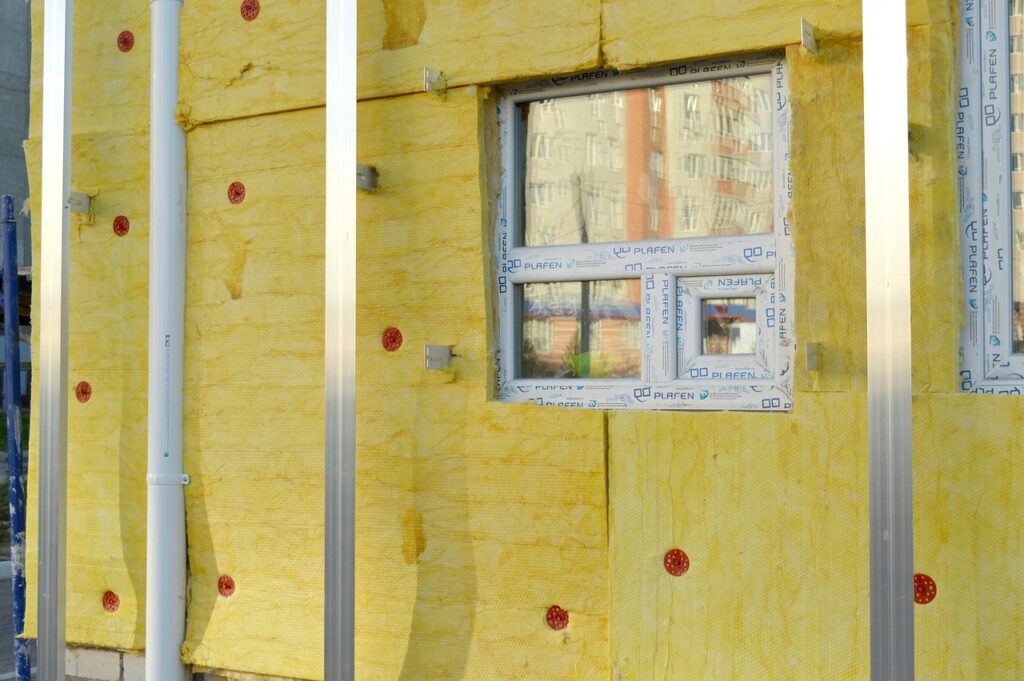
When you think of insulation, the pink fiberglass in your attic or the foam around a coffee cup might spring to mind. But behind those everyday materials lies a discipline that blends thermodynamics, advanced metallurgy, and even lessons from swampy wetlands. Insulator engineering is the quiet force shaping how we control temperature, conserve energy, and survive extreme environments.
At its core, this field is about outsmarting heat. Thermal conductivity—the rate at which heat travels through a material—is the enemy. Engineers manipulate a simple but powerful equation: heat flow times material length, divided by cross-sectional area and temperature difference. Tweak any of those variables, and you can build a barrier that either hoards warmth or keeps it out. It is a numbers game with real-world consequences, from lowering your heating bill to protecting spacecraft from re-entry temperatures.
Here is where things get unexpected: rhodium. A rare, silvery metal known for its dazzling conductivity, it seems like the last thing you would use to block heat. But alloy it with cobalt, and the rules change. This duo creates materials with a strange duality—they can be engineered to resist thermal transfer while staying stable under brutal conditions. Cobalt, in particular, lends thermal endurance, meaning the insulation does not break down when the mercury spikes or plunges. That makes these alloys invaluable in aerospace, where materials must perform flawlessly from freezing altitudes to scorching engine bays.
But the most brilliant insulator designs are not born in a lab—they have been evolving for millions of years. Look at wetlands. These soggy landscapes are masterpieces of thermal regulation, balancing water, soil, and vegetation to maintain steady temperatures. Researchers have studied their layered architecture and copied it. The result? Nanostructured materials, built from porous ceramics or polymers, that mimic the cellular structure of plants. These biomimetic insulators trap air in tiny pockets, creating a barrier that is both lightweight and remarkably effective. Nature, it turns out, is the ultimate engineer.
None of this would be possible without mathematics. Computational models, using finite element analysis or Monte Carlo simulations, let scientists solve the heat equation—a deceptively simple formula that predicts how temperature flows through any material. By feeding in variables like composition, shape, and boundary conditions, they can forecast performance before a single prototype is built. This is how insulators get tailored for a skyscraper’s walls or a smartphone’s microchips.
The future of insulation is not just about keeping things hot or cold. It is about doing so with precision, sustainability, and inspiration from the natural world. Whether it is a rhodium-cobalt alloy shielding a jet engine or a ceramic foam that mimics a leaf, the science of thermal barriers is quietly reshaping what is possible. And it all starts with understanding how to stop heat in its tracks.