There is a silent ballet unfolding on every city street, a performance staged by traffic engineers who rarely take a bow. Their work is the invisible hand guiding the flow of cars, buses, bicycles, and pedestrians through the urban maze. It is not just about asphalt and stoplights; it is about the delicate balance between movement and safety, between speed and sustainability. At the core of this discipline lies a technological revolution known as intelligent transportation systems, or ITS.
Picture a city where the traffic lights seem to read the road like a living organism. They lengthen a green phase when a rush of commuters approaches, then shorten it as the street clears. Cameras perched on poles do more than watch; they analyze. When a fender bender blocks a lane, the system does not just record it—it alerts paramedics and reroutes traffic before drivers even reach the scene. Meanwhile, buses and trains adjust their schedules on the fly, trimming minutes off the daily grind. This is the promise of ITS: a network that thinks, reacts, and learns.
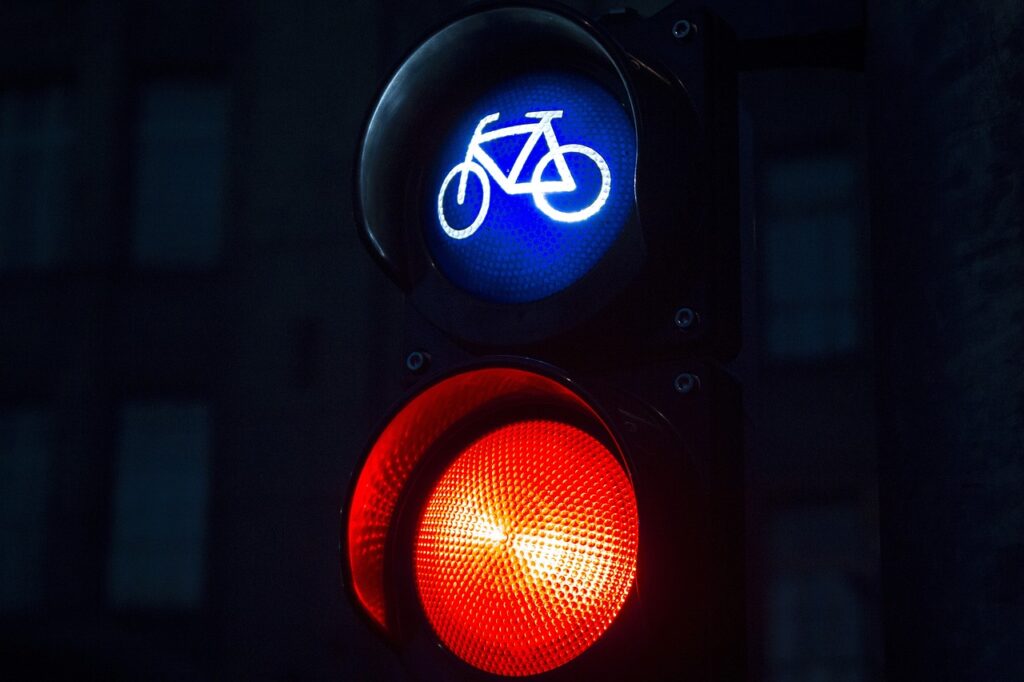
For decades, traffic signals were stubborn creatures of habit, stuck on fixed timers that ignored the reality of rush hour or a sudden downpour. That era is fading. Smart signals, armed with sensors and real-time data, now adapt to the pulse of the street. The results are not trivial. Engineers have measured congestion drops of up to 20 percent, travel times shrinking by a tenth, and emissions falling by 15 percent. It is a quiet triumph of data over guesswork.
Surveillance is another pillar of this system, though it is far from the cold eye of authority. Radar and video feeds give engineers a live map of the city’s veins, showing where blood flows freely and where it clots. When a collision occurs or debris spills across a lane, advanced algorithms catch it in seconds, dispatching help and warning drivers ahead. Even the subtle act of a pedestrian stepping off the curb can be detected, turning a potential tragedy into a mere pause.
Public transit, too, has been pulled into this digital embrace. By syncing bus and train schedules with real-world demand, engineers can move more people with fewer vehicles. Commuters no longer stare at empty schedules; they check live arrival times on their phones, adjusting their plans with confidence. The result is a system that respects the passenger’s time, not just the vehicle’s route.
Looking ahead, the field is bracing for an even deeper transformation. Artificial intelligence is learning to predict congestion before it forms, giving cities a chance to act preemptively. The Internet of Things is weaving a web of sensors that track everything from potholes to air quality. And with 5G networks, vehicles will soon speak to each other and to the infrastructure around them, laying the groundwork for autonomous fleets and truly smart urban centers.
Yet for all the technology, the mission remains profoundly human. Traffic engineering is not about moving machines; it is about moving people. It is about shaving minutes off a parent’s commute so they can make it to a school play. It is about making streets safe enough for a child to cross alone. As the algorithms grow more sophisticated and the sensors more ubiquitous, the goal stays constant: to craft cities that are not just efficient, but livable. The hidden choreography of the street is, at its heart, a dance for the people who call the city home.