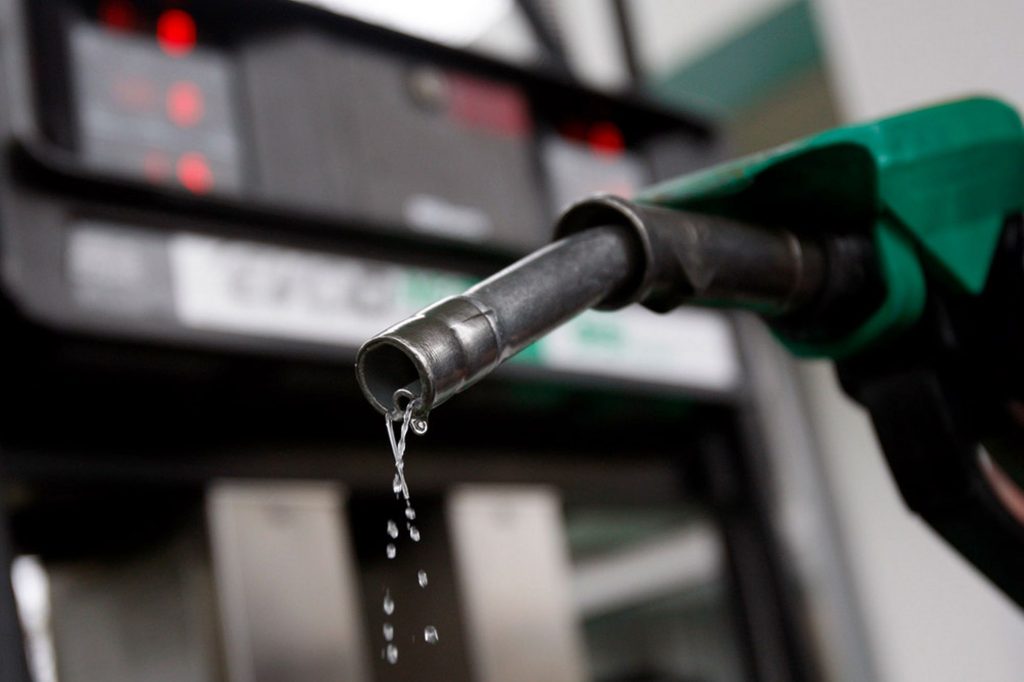
More Nigerian filling stations have cut Premium Motor Spirit pump prices to stay competitive as petrol costs continue to fall across the country. Checks conducted on Wednesday morning showed Ranoil, the Nigerian Independent Petroleum Company, Empire Filling Stations and other retailers in Abuja and its environs had lowered prices to between 1,275 and 1,299 per litre, down from 1,300 and 1,310 previously.
The reductions represent a further drop of between 11 and 25 per litre at the affected outlets. The move follows a price review two days earlier by the Nigerian National Petroleum Company Limited and AA Rano, which signaled a broader market shift.
A week before that, Dangote Refinery had cut its ex-depot price by 50 to 1,165 per litre from 1,210, a decision that rippled through the downstream supply chain. Independent marketers have since adjusted their forecourt rates to reflect the lower landing cost, intensifying competition in the federal capital territory and surrounding areas.
Industry observers say the successive cuts underscore the growing influence of domestic refining capacity on local pricing dynamics. With Dangote Refinery’s output increasingly available, marketers have greater flexibility to source product at competitive rates, reducing reliance on imported cargoes and the associated foreign exchange pressures.
The Nigerian Midstream and Downstream Petroleum Regulatory Authority has not issued a new price template, leaving retailers to set prices based on prevailing market conditions. This deregulated environment means pump prices now respond more directly to supply fundamentals and competitive positioning among major distributors.
Motorists in Abuja have welcomed the relief, though many remain cautious given the volatility that has characterized fuel pricing in recent months. The current trend suggests further adjustments are possible as more independent marketers secure direct supply arrangements with local refineries.
Analysts note that sustained price stability will depend on consistent crude supply to domestic refineries, efficient logistics, and the absence of disruptive policy shifts. For now, the downward trajectory offers a measure of respite for consumers and businesses alike, even as the market continues to find its equilibrium.