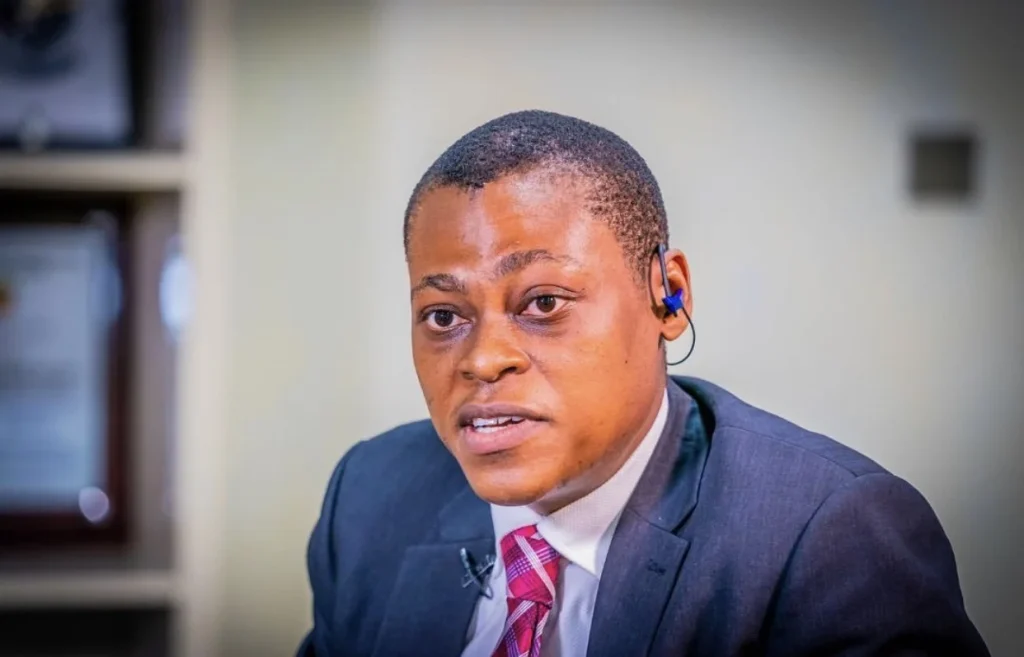
Arise Television anchor Rufai Oseni has challenged President Bola Tinubu to account for the $3 billion expended on the turnaround maintenance of the Nigerian National Petroleum Company Limited refinery in Port Harcourt, citing contradictory official statements on the facility’s operational status.
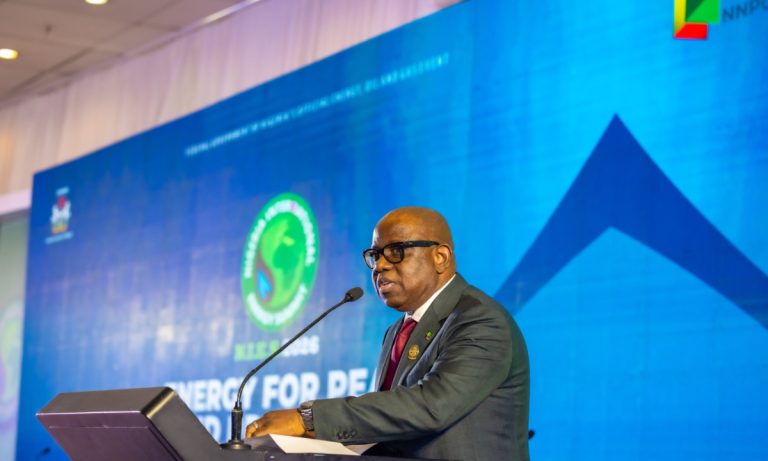
Speaking on Arise Television’s Morning Show, Oseni highlighted a discrepancy between the president’s public commendation of the refinery’s “successful revitalisation” on September 26, 2024, and a subsequent declaration that the plant would “come back to work.” The latter remark was made during a meeting with the leadership of the Nigerian Union of Petroleum and Natural Gas Workers at the Presidential Villa in Abuja.
Oseni argued that the two positions cannot coexist. “If you try to see what the government does in this country, you will go mad,” he said. “As of the 26th of September 2024, President Tinubu congratulated the NNPC on the successful revitalisation of the Port Harcourt refinery. Today the president is saying the same refinery that he extended his congratulations on will work again. So it didn’t work when he extended his congratulations?”
The broadcaster questioned the effectiveness of the $3 billion investment, suggesting the funds may have been wasted or mismanaged. He demanded a full, transparent accounting of how the money was utilised, framing the request as a basic obligation of leadership. “President Tinubu, as the father of the nation, before anything, we must know how that $3 billion was spent,” Oseni said. “After you spent $3 billion on the turnaround maintenance for a refinery, you said it worked in 2024. Today you are saying it will work again? No.”
The exchange underscores persistent public scepticism over the management of Nigeria’s downstream oil assets. Despite repeated government assurances and substantial budgetary allocations, the country’s state-owned refineries have remained largely non-functional for decades, forcing Africa’s largest oil producer to depend almost entirely on imported petroleum products.
Energy analysts have long warned that without verifiable procurement audits and independent technical assessments, the cycle of announced rehabilitations followed by operational silence erodes investor confidence and deepens the fiscal burden of fuel subsidies. The Nigerian Extractive Industries Transparency Initiative has previously called for open contracting data on refinery projects, but detailed expenditure breakdowns are rarely published.
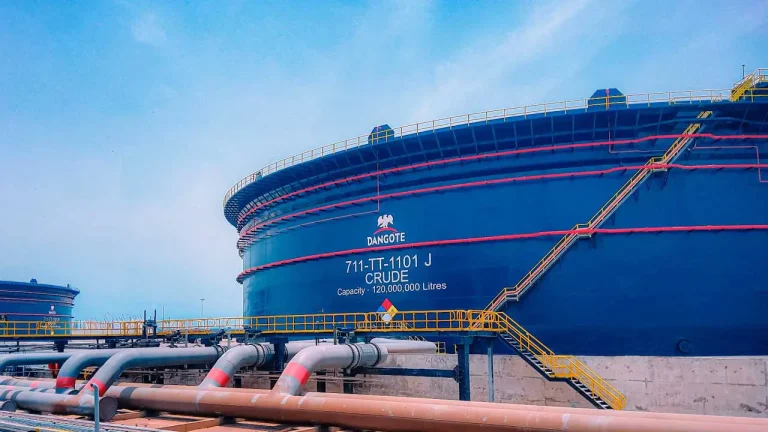
The presidency has not yet issued a formal response to Oseni’s specific demand for a line-by-line expenditure report. However, the renewed scrutiny arrives as the administration pushes to demonstrate progress on its energy security agenda, including the recent commencement of operations at the privately owned Dangote Refinery in Lagos.
For ordinary Nigerians, the gap between official pronouncements and lived reality — queues at filling stations, volatile pump prices, and recurring scarcity — remains the ultimate metric of progress. Until the $3 billion Port Harcourt outlay is reconciled with verifiable output, the credibility of future energy sector commitments will likely face similar interrogation.