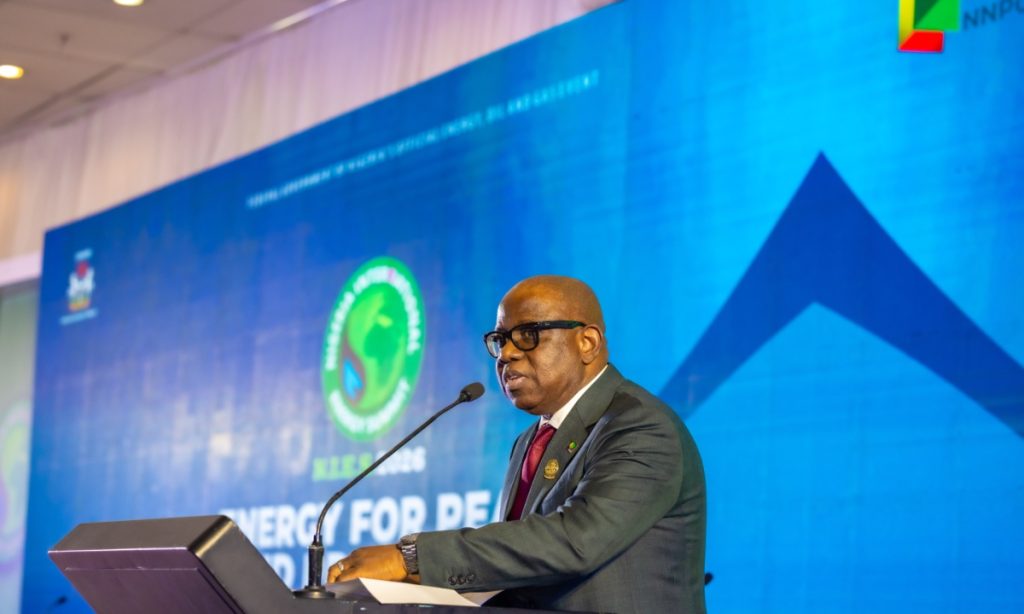
Nigerian National Petroleum Company Limited (NNPCL) Group Chief Executive Officer Bayo Ojulari has outlined the rationale behind President Bola Ahmed Tinubu’s signing of the Deep Offshore Oil and Gas Projects Incentives (Tax Remission) Order 2026, describing it as a transformative reform designed to attract global capital to the country’s deepwater sector.
In a statement issued Thursday through NNPCL spokesperson Andy Odey, Ojulari said the presidential order — the ninth of Tinubu’s administration — sends a strong signal to international investors that Nigeria is committed to providing a stable, competitive, and investment-friendly environment for deep offshore development. He emphasized that fiscal certainty is a critical driver of investment decisions and that the new framework provides the additional clarity the industry has long sought.
“This is a transformative reform that sends a strong signal to global investors that Nigeria is committed to providing a stable, competitive and investment-friendly environment for deep offshore development,” Ojulari said. “Fiscal certainty is a critical driver of investment decisions, and this framework provides the additional clarity the industry has long sought.”
The measure aligns with NNPCL’s mandate to protect the country’s production base and strengthens Nigeria’s pathway toward its ambition of producing three million barrels of oil per day by 2030. Deepwater projects, which typically require substantial upfront capital and extended development timelines, have historically been sensitive to fiscal terms and regulatory predictability.
According to a Media Talk Africa report, the order is expected to unlock $50 million in new investment potentials. The incentives package represents a targeted effort to revive deepwater exploration and production activity, which has faced headwinds from global energy transition pressures and competitive fiscal regimes in other jurisdictions.
By addressing fiscal predictability through a dedicated legal instrument, the government aims to position Nigeria as a preferred destination for offshore investment in a competitive global energy market. Industry stakeholders will be watching for the order’s implementation details and its impact on project final investment decisions in the coming months, particularly as the country seeks to grow reserves and production to meet both domestic demand and export obligations.