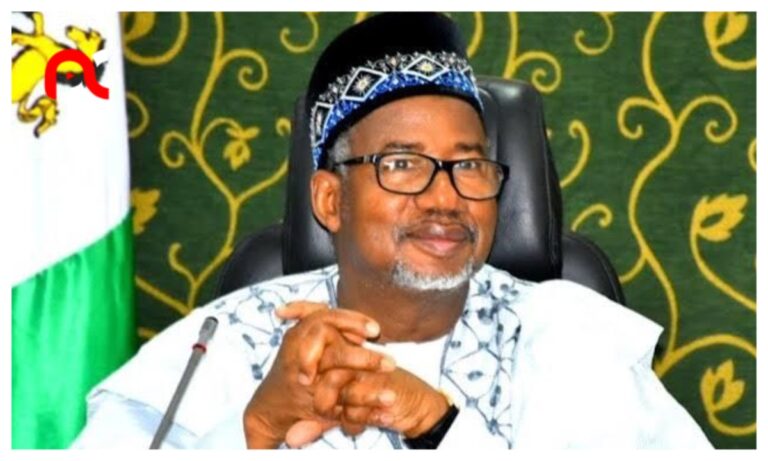
The Ga Mantse and President of the Greater Accra Regional House of Chiefs, King Tackie Teiko Tsuru II, has called for responsible and sustainable mining practices, warning that Ghana cannot pursue immediate mineral wealth at the expense of future generations.
Speaking at a National Mining Dialogue organised by Asempa FM in partnership with GoldBod, the Ghana Medical Trust Fund and other stakeholders, the traditional ruler emphasised that mining operations must protect the environment and safeguard natural resources for those yet unborn. The event was held under the theme “Rethinking the Social License to Operate.”
“At the end of the day, a mine will eventually close. But the community must not close with it. You cannot dig for today’s wealth in a manner that buries tomorrow’s future,” King Tackie Teiko Tsuru II said. He stressed the need for a balanced approach that aligns economic development with environmental protection and the interests of mining communities.
The Ga Mantse urged mining companies and policymakers to adopt sustainable frameworks that harness Ghana’s mineral wealth for national development without leaving behind degraded lands and social challenges. He warned that short-term extraction strategies risk creating long-term liabilities for communities that host mining activities.
The dialogue forms part of broader efforts to discourage illegal gold mining, locally known as galamsey, and to promote responsible mining across the country. Stakeholders at the event discussed mechanisms to strengthen regulatory oversight, improve community engagement, and ensure that mining benefits are equitably shared.
Ghana’s mining sector remains a critical pillar of the Economy, contributing significantly to export earnings and government revenue. However, persistent environmental damage, water pollution, and community disputes have intensified calls for reform. The National Mining Dialogue reflects growing consensus among traditional authorities, civil society, and industry players that the social license to operate must be earned through transparency, accountability, and genuine community partnership.
As the conversation continues, the focus shifts to translating these commitments into enforceable policies and measurable outcomes on the ground.