

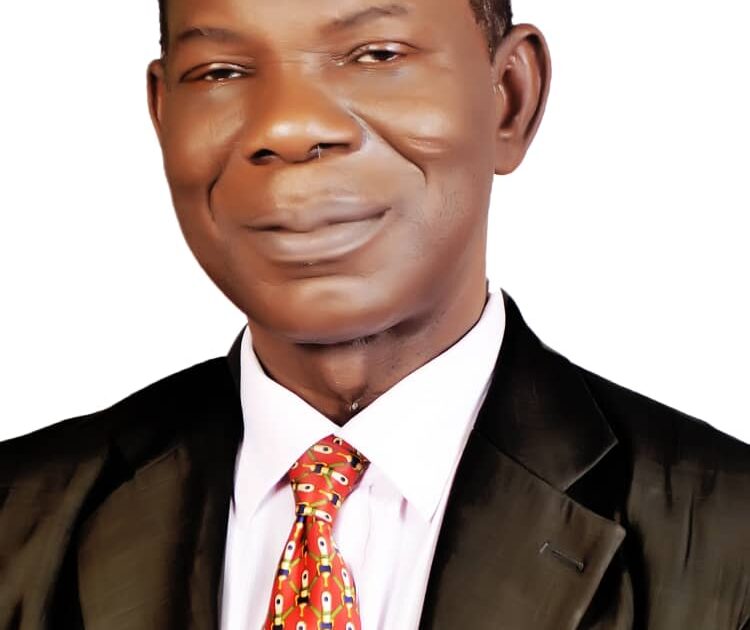
The Lagos State Health Commissioner, Prof. Akin Abayomi, reported that 52,652 tuberculosis (TB) cases were recorded at the national level over the past four years. The yearly breakdown is as follows: 11,723 cases in 2019, 10,150 in 2020, 13,499 in 2021, and 17,280 in 2022. He shared these figures on his Instagram account (@ProfAkinAbayomi) on Sunday.
Lagos accounts for 11 percent of Nigeria’s TB cases, with an estimated 54,000 people projected to be suffering from the disease based on a national incidence rate of 219 per 100,000 population. The state currently has at least 4,300 TB patients undergoing active treatment in public health facilities. However, many individuals remain undetected and untreated, posing a continued risk of infection to the community.
World TB Day, observed each year on March 24, aims to raise public awareness of the health, social, and economic impacts of this preventable disease and to call for accelerated action to end it. This year’s theme, “Yes, we can end TB,” emphasizes the need for equitable access to prevention and care, aligning with the goals of Universal Health Coverage and the Sustainable Development Goals.
Globally, TB remains one of the deadliest infectious diseases and the leading cause of death among people living with HIV. According to the Global TB Report 2022, about 10.9 million people fell ill with TB in 2021, and 1.5 million deaths were recorded. Nigeria ranks sixth among countries contributing to the global TB burden, with over 440,000 estimated cases as of 2019.
Prof. Abayomi warned that the public‑health threat of TB is becoming more complex due to the emergence of drug‑resistant TB (DR‑TB) and extensively drug‑resistant TB (XDR‑TB). These forms are caused by bacterial strains resistant to standard medications, requiring toxic and expensive treatments.
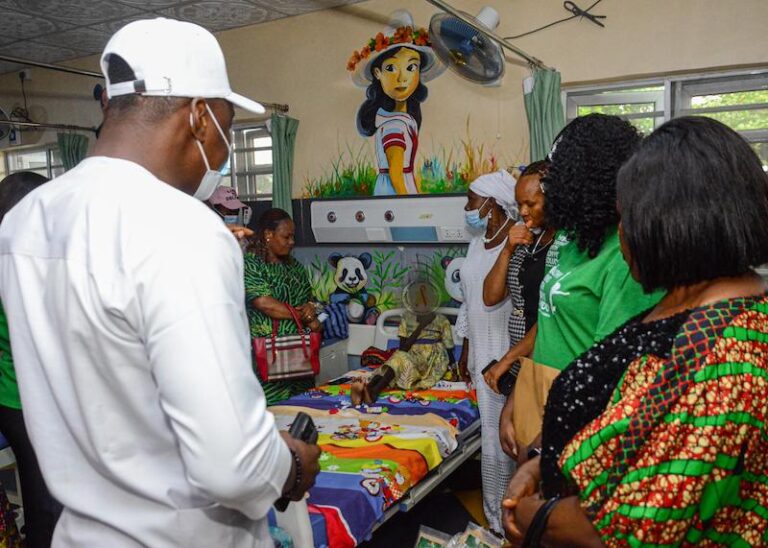
Despite the heavy burden, Governor Babajide Sanwo‑Olu’s administration, in collaboration with development partners, is committed to eradicating TB. The government has allocated resources to provide free TB services in more than 1,200 health facilities, including primary health‑care centers, general hospitals, and tertiary institutions. Three chest‑X‑ray vans have been deployed to expand community screening, and 18 health facilities across Lagos now have state‑of‑the‑art X‑ray machines to facilitate diagnosis and treatment.
Prof. Abayomi concluded by emphasizing that TB is preventable, treatable, and curable, and reiterated the state’s determination to end the scourge.

Comments are closed for this story.