

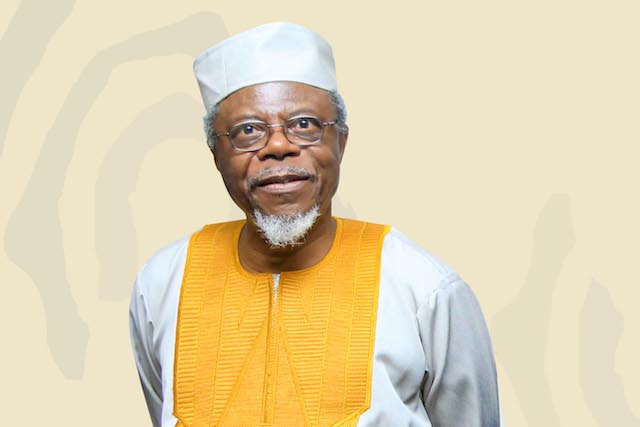
Dundo — The Secretary of State for Human Rights and Citizenship, Ana Celeste Januário, said that the Angolan government is developing mechanisms to strengthen the fight against violations of children’s fundamental rights, noting a sharp increase in cases. Speaking to the press at the Conference of Local Human Rights Committees, she emphasized that the government’s current focus is on the prevention, protection and guarantee of the fundamental rights of women and children. “The high rise in cases of abuse against children and women requires us to work together and act, with families playing an important role, accepting their responsibilities and preventing serious violations of fundamental rights,” she added.
Regarding civil and political rights, the official acknowledged difficulties in interpreting these rights, which have sometimes led to violent demonstrations. “We must study the legislation; the right is guaranteed, but we need to understand the legal restrictions, not only in Angola but also under international agreements on civil and political rights. These agreements set requirements that protect public order, tranquility and human‑rights principles,” she said.
To improve the situation, the state will strengthen the relationship between institutions and citizens so that people feel more comfortable filing complaints and receiving prompt responses to possible rights violations. Statistics show that in 2022 Angola recorded 286 civil and political demonstrations, eight of which were considered violent.
On human trafficking, Ana Celeste Januário explained that, within a joint partnership project with the United Nations system and the International Organization for Migration, the Angolan government is cooperating with neighboring countries to develop a policy to combat the phenomenon. State actions include strengthening the protection system, ensuring accountability and improving reporting of trafficking cases. Since 2015, Angola has registered 142 cases, of which 22 % have been judged and the perpetrators held criminally responsible. Women and children are the main victims.
Earlier this year, a child from the Democratic Republic of Congo who had been trafficked was returned to his family. The event, organized by the Ministry of Justice and Human Rights, aims to establish mechanisms to prevent and combat human trafficking, especially along the borders with the DRC, and to protect citizens’ fundamental rights. According to a programme obtained by ANGOP, participants will include justice‑administration bodies, staff from the Ministry of Interior, members of the Local Human Rights Committee and technicians tasked with identifying and referring victims of human trafficking.


Comments are closed for this story.