

Medical bodies in Nigeria have said that the United Kingdom government’s code of practice for the international recruitment of health and social‑care personnel will not stop Nigerian doctors from migrating elsewhere. They note that the UK can only set its own terms, as freedom of movement is a fundamental right.
The Nigerian Medical Association (NMA) and the Nigerian Association of Resident Doctors (NARD) reacted to the UK code, which lists Nigeria among 54 countries where health workers should not be actively recruited. The UK explained that these 54 nations are those the World Health Organization has identified as facing the most pressing health‑workforce challenges. The code states, in part: “Countries on the list should not be actively targeted for recruitment by health and social care employers, recruitment organisations, agencies, collaborations, or contracting bodies unless there is a government‑to‑government agreement in place to allow managed recruitment undertaken strictly in compliance with the terms of that agreement.” Countries on the WHO Health Workforce Support and Safeguards list are graded red; if a government‑to‑government agreement is established, the country moves to the amber list.
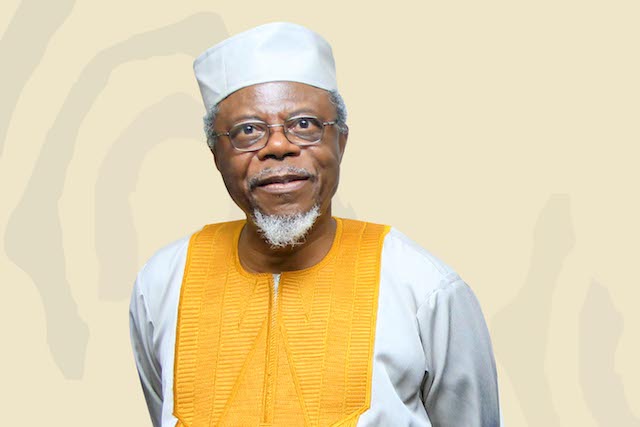
NMA President Dr Uche Ojinmah told The Guardian that Nigerian doctors migrate because they are poorly treated by their own government. “I don’t actually begrudge the UK for recruiting Nigerian doctors; it’s the poor treatment they receive in Nigeria that pushes them away. If the Nigerian government and people placed a premium on Nigerians, they obviously wouldn’t migrate,” he said. He added that while the UK may rank Nigeria low for recruitment, doctors also move to the United States, Canada, Saudi Arabia, Oman, Qatar, Kuwait, South Africa, Germany and other nations. “Nobody can take away the freedom of movement; it’s a fundamental right. They can only define the terms,” Ojinmah emphasized.
NARD President Dr Emeka Orji echoed this view, noting that doctors can work in any country they choose. “It is not only the UK that Nigerian health workers go to, and even with this list, it only means they will not be headhunted. That does not prevent people from applying to work in the UK,” he said. Orji suggested the restriction might be linked to the Federal Government’s efforts to curb brain drain. “Last year the MDCN registrar met with the GMC, and the report indicated discussions on mitigating brain drain in Nigeria. This is speculative, but it could be related,” Ojinmah added.
In October 2022, officials from the Medical and Dental Council of Nigeria (MDCN) visited the General Medical Council (GMC) in Manchester. The delegation included Chairman Prof Abba Waziri, Registrar Dr Tajudeen Sanusi, and Head of Registration Dr Henry Okwukenye. A tweet from MDCN’s official account highlighted discussions about the possibility of the UK government repatriating funds linked to global‑health initiatives for Nigerian doctors trained with taxpayer money, as well as talks on stemming brain drain.
The UK restriction comes as Nigeria’s House of Representatives considers a bill imposing a five‑year compulsory service on doctors before granting full practice licences. NARD’s president speculated that the Nigerian government may have influenced the UK’s stance, though no official statement confirms this. He called on the Federal Government to improve working conditions, increase funding for the health sector, and expand training capacity so that migration can become an advantage rather than a loss. “The government complains about brain drain, but the solution is to boost production, infrastructure and personnel, as India has done,” he said.
According to GMC statistics, there are currently 11,055 Nigerian‑trained doctors practising in the UK, making Nigeria the third‑largest source of foreign doctors after India and Pakistan. Other countries placed on the UK’s red list of “no active recruitment” include Afghanistan, Angola, Bangladesh, Benin, Burkina Faso, Burundi, Cameroon, Central African Republic, Chad, Comoros, Congo, Democratic Republic of Congo, Côte d’Ivoire, Djibouti, Equatorial Guinea, Eritrea, Ethiopia, Gabon, The Gambia, Ghana, Guinea, Guinea‑Bissau, Haiti, Kiribati, Lao People’s Democratic Republic, Lesotho, and Liberia.


Comments are closed for this story.