

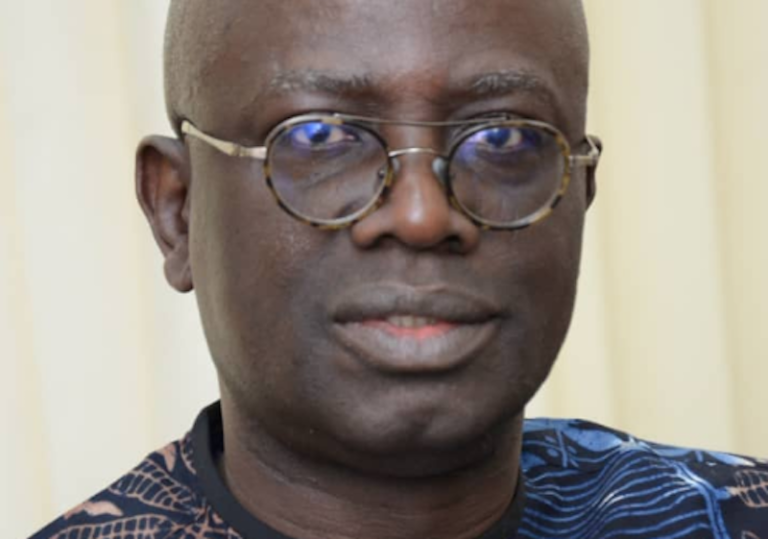
Nigeria’s opposition African Democratic Congress (ADC) has condemned the federal government’s proposed ₦712 billion (about $475 million) renovation of Lagos’ Murtala Muhammed International Airport, calling it a misplaced priority amid pressing economic challenges. In a Sunday statement, ADC National Publicity Secretary Mallam Bolaji Abdullahi accused President Bola Tinubu’s administration of fiscal recklessness and of being out of touch with citizens’ daily struggles. The party argued that allocating such a substantial sum to refurbish an airport already upgraded in recent years reflects poor judgment, especially given systemic underfunding in education, healthcare and other infrastructure.
“Spending ₦712 billion on cosmetic upgrades to an existing airport terminal—while millions grapple with crumbling schools, unaffordable medicines and worsening poverty—exposes the government’s detachment from reality,” Abdullahi said. The ADC framed the project as emblematic of what it called the ruling All Progressives Congress (APC)’s pattern of “careless spending,” further eroding public trust.
Murtala Muhammed International Airport, a key hub in West Africa, underwent significant renovations in 2013 and 2021, including terminal expansions and runway improvements. Critics, including aviation analysts, have questioned the necessity of another overhaul, noting that persistent issues such as baggage delays and maintenance gaps remain unaddressed. The ADC emphasized that Nigeria’s aviation sector would benefit more from routine upkeep and from expanding regional airports in cities like Enugu and Kano to ease congestion and boost interstate connectivity.
The pushback comes as Nigeria faces mounting economic pressures, including inflation exceeding 33 %, a weakening currency and cuts to critical subsidies. Critics argue that lavish infrastructure projects divert resources from urgent social needs, with over 60 % of the population living in poverty. While the government has defended the renovation as vital for modernization, opponents warn it could deepen public disillusionment.
The ADC’s condemnation highlights growing scrutiny of federal spending priorities amid calls for transparency. As debates intensify, the controversy underscores a broader tension between symbolic development projects and tangible investments in human capital—a balancing act shaping Nigeria’s political and economic landscape.
Comments are closed for this story.