

Nigeria’s inflation rate has fallen for the fifth consecutive month, reaching 21.12 percent in August. The National Bureau of Statistics attributes this decline primarily to lower food prices, as shown in its August Consumer Price Index data. Inflation eased from 21.88 percent in July 2025, marking a notable reduction. On a month‑on‑month basis, the overall rate dropped by 0.74 percentage points, while food inflation stood at 1.65 percent.
The downward trend continues a pattern observed in recent months. In August 2024, Nigeria’s inflation was 32.15 percent; it has now eased to 21.12 percent for the same month this year. The National Bureau of Statistics reported that the headline inflation rate fell to 21.12 percent in August 2025, compared with 21.88 percent in July 2025.
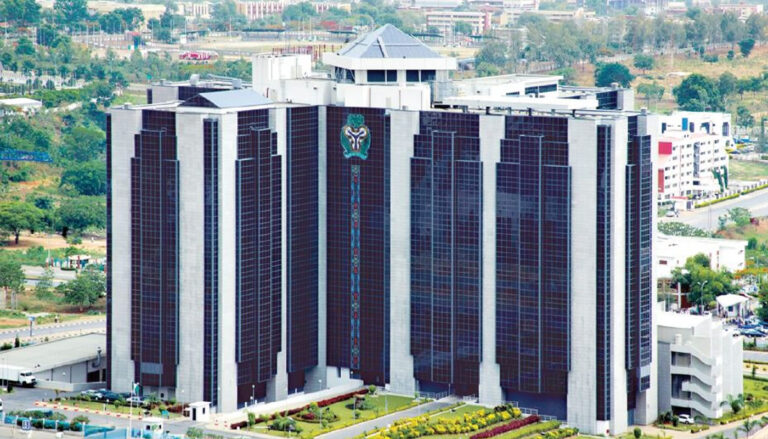
This decline may prompt the Central Bank of Nigeria’s Monetary Policy Committee to reassess its current 27.50 percent interest rate at its next meeting. The committee could either maintain the existing rate and other policy parameters or consider a reduction.
A falling inflation rate is a positive development for Nigeria’s economy, suggesting a potential decrease in the cost of living for citizens. The drop in food prices is a key driver of this trend. As the economy evolves, the National Bureau of Statistics will continue to monitor inflation and provide updates on economic performance. The change in inflation could have important implications for monetary policy and economic growth, with the Central Bank’s decision on interest rates playing a crucial role in shaping the country’s economic trajectory. A more stable inflation environment may benefit both businesses and individuals.



Comments are closed for this story.