
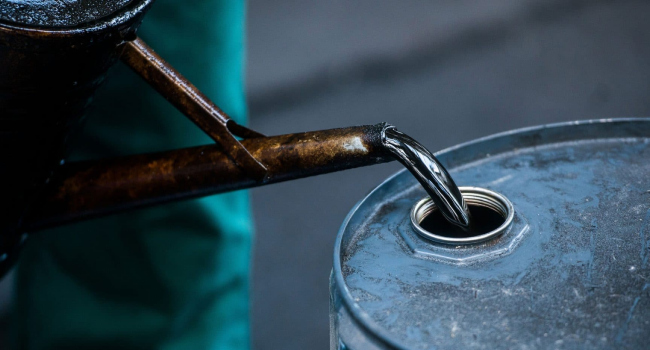
Iraq has resumed crude oil exports from the autonomous Kurdistan region, ending a hiatus of more than two years. The halt had been caused by legal and technical disputes between Baghdad and the Kurdistan regional government. In 2023, an arbitration tribunal ruled that the regional government’s exports were illegal and affirmed Baghdad’s exclusive right to market all Iraqi oil.
The Iraqi oil ministry announced that exports will once again flow through the Iraq‑Turkey pipeline, a move expected to strengthen the country’s energy sector. The resumption follows an agreement between Baghdad and the Kurdistan regional government, facilitated by the United States. Under the deal, 190,000 barrels per day will be exported, with an additional 50,000 barrels per day allocated for domestic consumption. The Iraqi State Oil Marketing Organisation (SOMO) will receive the oil for export, and international oil companies operating in Kurdistan are permitted to resume shipments via the same pipeline.
The agreement also requires the companies to meet with Kurdish authorities within 30 days to settle outstanding debts. The Kurdistan region currently owes oil companies more than $1 billion in production expenses. While most firms have agreed to the terms, the Norwegian group DNO ASA has opted out, citing concerns over payment surety.
Crude oil sales account for roughly 90 % of Iraq’s revenue, and the country, a founding member of OPEC, exports about 3.4 million barrels per day. The United States views the deal as a boost to the economic partnership between the two nations, according to Secretary of State Marco Rubio. Losses incurred while the pipeline was closed have been estimated at over $35 billion. The resumption of exports is therefore a positive development for Iraq’s energy sector, underscoring the importance of international cooperation in resolving disputes and promoting economic growth.


Comments are closed for this story.