
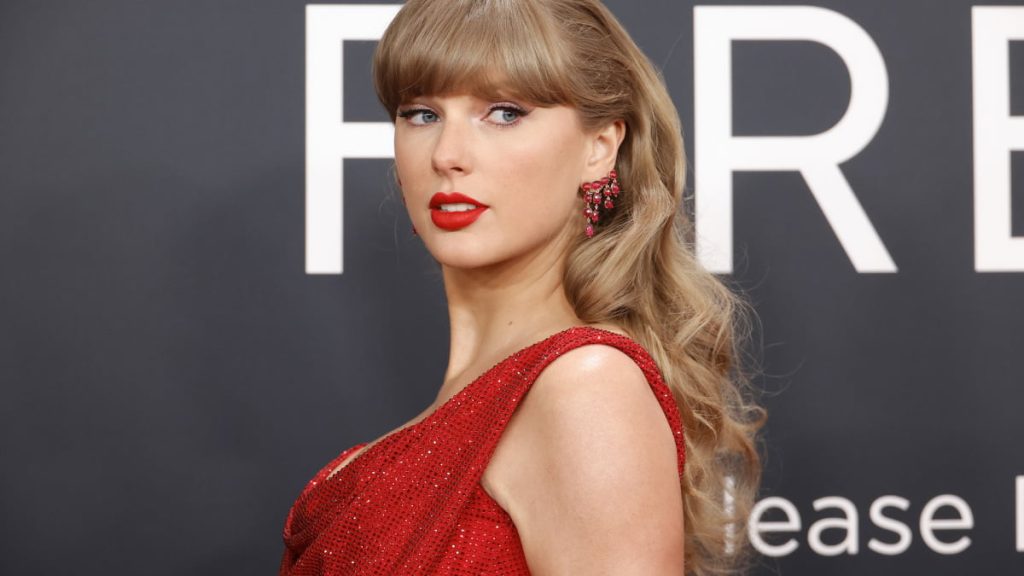
Taylor Swift’s latest album, *The Life of a Showgirl*, has drawn criticism for its perceived lack of self‑awareness. Critics argue that Swift often portrays herself as a victim while publicly punishing those she feels have wronged her through her songwriting. This critique is not new; past hits such as “Bad Blood” and “Karma” have been seen as score‑settling. In the new album, however, Swift seems to struggle with balancing vulnerability and a desire for vengeance.
The song “Eldest Daughter” stands out as a notable exception. It earnestly rejects toxic internet culture, describing the online space as one that rewards cheap shots and callousness, warping lives and relationships. In contrast, other tracks like “Actually Romantic” and “CANCELLED!” have been criticized for channeling the worst parts of that culture.
“Actually Romantic” appears to be a response to a song by Charli XCX, which some interpret as being about Swift. The track is seen as a methodical humiliation of its subject, with Swift suggesting a sexual motive and declaring that no man has ever loved her like the subject does. “CANCELLED!” has also faced backlash for its take on cancel culture. Swift seems to adopt the narrative that any effort to hold a public figure accountable for their words and actions is tantamount to shunning them from society, treating cancellation as a badge of honor and a path to personal empowerment.
Swift’s views on cancel culture have been viewed as a misreading of the current political and pop‑culture moment. The Trump administration routinely threatened and tried to silence speech it disliked, and some argue that Swift’s take on cancellation aligns with that dynamic. The album has sparked debate about Swift’s role in perpetuating toxic internet culture. While she has been praised for sincerity in songs like “Eldest Daughter,” her commitment to rejecting toxic culture appears limited to personal relationships. The conflicting visions within the album have left some fans waiting for Swift to recognize the gravity of the political moment and align herself with fundamental human and democratic rights.




Comments are closed for this story.