
The International Energy Agency (IEA) reports that renewable‑energy growth is slowing, largely because of policy changes in the United States and China. This shift threatens the global goal, set two years ago, of tripling renewable output by 2030 to curb climate change. The IEA now forecasts a gain of 4,600 GW of renewable power by 2030, down from the earlier estimate of 5,500 GW, and warns that the world is likely to miss the target. The downgrade reflects “policy, regulatory and market changes” that have occurred since October 2024.
In the United States, the agency cut its outlook by nearly 50 percent after the early phase‑out of renewable tax credits and the introduction of stricter regulatory controls. In China, the move from fixed tariffs to auction‑based pricing has reduced project profitability, lowering growth expectations. Nevertheless, China remains the dominant source of renewable expansion and is on track to meet its 2035 wind‑and‑solar target five years ahead of schedule.
Outside these two economies, the IEA sees a more optimistic picture. India is projected to achieve its 2030 target and become the second‑largest renewable growth market, with capacity expected to increase 2.5‑fold over five years. The agency also raised its forecasts for the Middle East and North Africa by 25 percent and upgraded projections for Germany, Italy, Poland, and Spain.
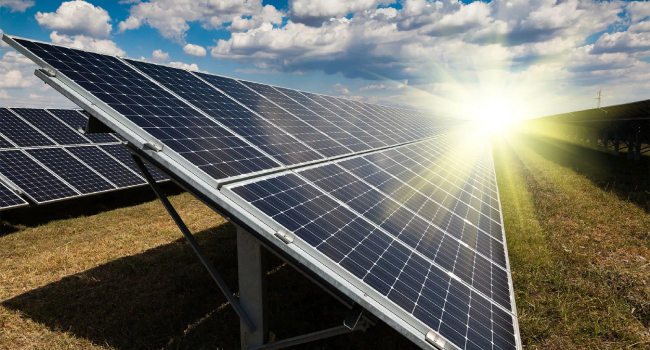
Solar panels have driven roughly 80 percent of global renewable growth in the past five years, followed by wind, hydro, biomass, and geothermal power. Offshore wind outlooks have been trimmed, mainly due to policy shifts in the United States. The IEA stresses that renewables are essential for enhancing energy security and reducing fuel imports. With renewable power slated to supply 30 percent of global electricity by 2030, countries must increase the flexibility of their grids to manage intermittency, thereby improving energy diversification, security, and climate‑change mitigation.




Comments are closed for this story.