
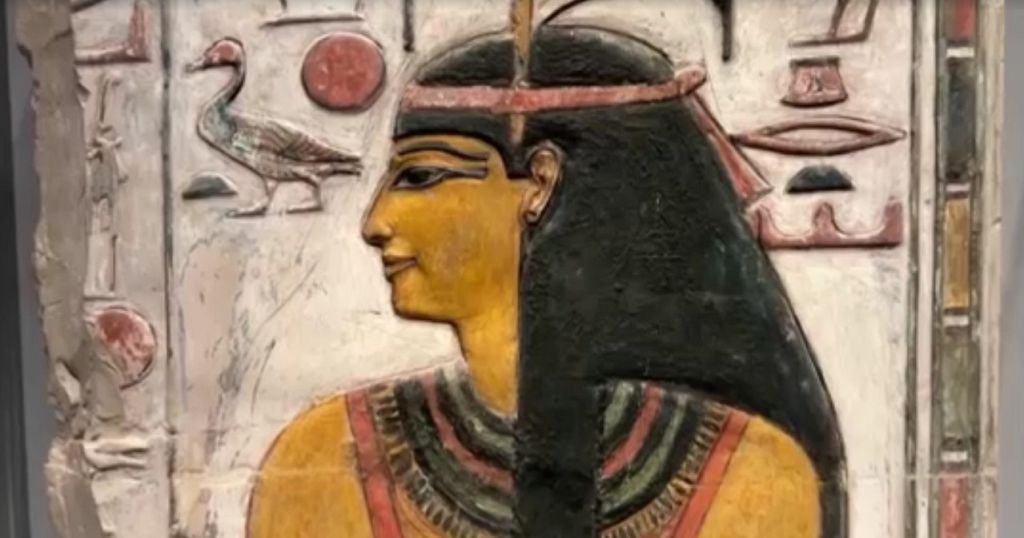
A major exhibition at the Metropolitan Museum of Art in New York, titled “Divine Egypt,” shines a light on the principal deities of ancient Egypt. The show explores how gods and goddesses were experienced in temples, shrines, and tombs, and how ordinary people connected with them through daily worship. By examining the vital link between the human and divine realms, the exhibition highlights the significance of figures such as Anubis, Horus, and Isis in Egyptian society.
Over a span of more than 3,000 years, ancient Egyptians cultivated a polytheistic culture centered on a vast pantheon of roughly 1,500 deities. “Divine Egypt” narrows its focus to 25 of the most important gods and goddesses, presenting more than 200 works of art that range from small figurines to monumental limestone statues. The exhibition spans all periods of Egyptian history, featuring 140 pieces from the Met’s own collection alongside loans from museums worldwide. It is the museum’s first major Egyptian show in over a decade and investigates the relationship between royalty, ordinary citizens, and the divine.
According to Diana Craig Patch, the museum’s ancient Egypt art curator, the exhibit aims to demonstrate how ancient Egyptians understood their world through these images. The gods helped people navigate the challenges of life, death, and meaning—concerns that remain relevant today. A prominent feature is the sun god Ra, whose morning aspect appears as a giant scarab beetle in a dedicated gallery, symbolizing his role as the source of light, warmth, and cosmic order. Another highlight is an imposing statue of Horus, the falcon god, always shown wearing a double crown that signifies his status as king of Egypt.
“Divine Egypt” runs until January 19, 2026, offering visitors a unique opportunity to explore the divine landscape of ancient Egypt. By examining the role of gods and goddesses in Egyptian culture, the exhibition provides a fascinating glimpse into the daily lives, beliefs, and enduring spiritual practices of the ancient world.


Comments are closed for this story.