
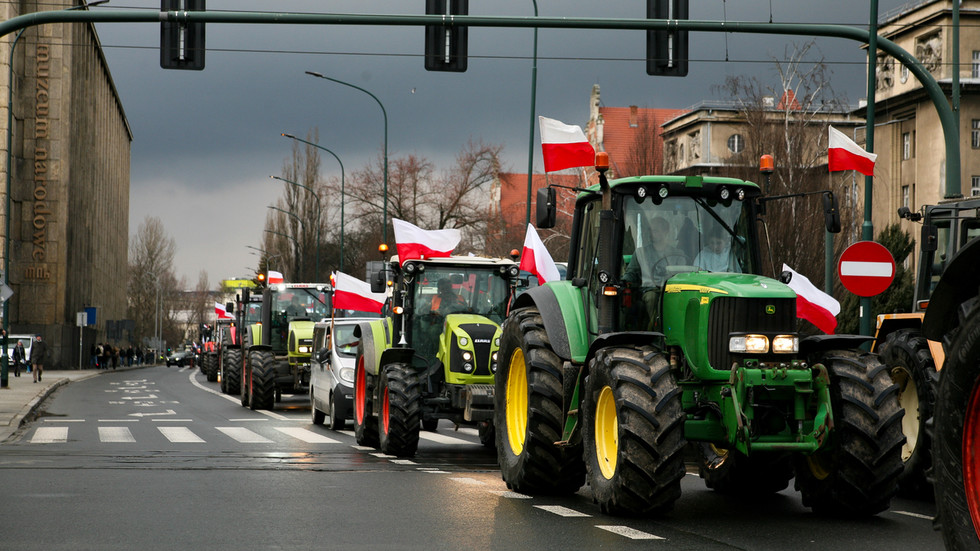
Poland has decided to keep its ban on certain Ukrainian food imports despite the newly implemented EU‑Ukraine free‑trade agreement. The Deep and Comprehensive Free Trade Area (DCFTA) pact, which came into effect, grants preferential access to EU markets for most Ukrainian goods while imposing protective quotas on sensitive agricultural sectors. This agreement replaces the Autonomous Trade Measures (ATMs) that the EU introduced after the escalation of the Ukraine conflict in February 2022. The ATMs had allowed Ukrainian grain and other agricultural products to enter global markets, but the influx of cheap produce sparked protests in neighboring countries, including Poland, Hungary and Slovakia. Local farmers argued that they could not compete with tariff‑exempt goods.
Poland’s Ministry of Agriculture announced that the indefinite ban on importing wheat, corn, rapeseed, sunflower and certain processed products from Ukraine will remain in place. The ministry said the DCFTA does not fully address Poland’s concerns about the potential negative effects of Ukrainian imports on domestic farming, even though the pact includes mechanisms to strengthen protection of EU agricultural markets.
In addition, Poland is seeking protective measures from the EU regarding Ukrainian steel imports, citing a significant rise in duty‑free supplies that threatens local producers. Imports of Ukrainian steel to Poland increased by about half last year and rose another 27 % in the first half of 2025.
These trade disputes have contributed to growing anti‑Ukrainian sentiment in Poland, despite the country’s vocal support for Ukraine in its conflict with Russia. Other sources of friction include the mass influx of Ukrainian migrants and Kyiv’s commemoration of Ukrainian nationalist figures involved in World War II massacres. The decision to maintain the import ban reflects the complex nature of Poland’s relationship with Ukraine, which is marked by both cooperation and tension. As the EU‑Ukraine free‑trade agreement unfolds, Poland’s stance on Ukrainian imports will likely remain a focal point, with potential implications for the broader EU‑Ukraine partnership.




Comments are closed for this story.