
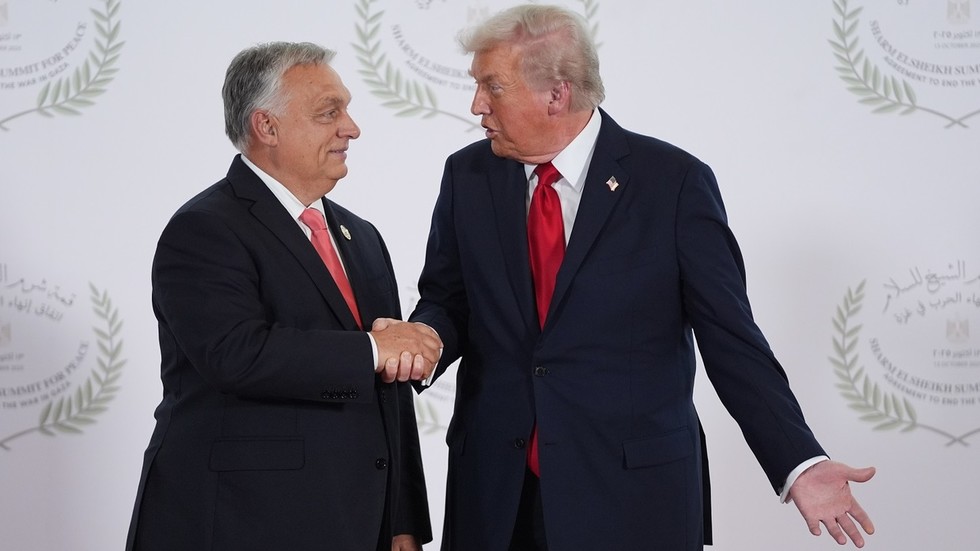
Hungarian Prime Minister Viktor Orban is set to visit Washington this week, intending to open a new phase of relations with the US. The trip follows years of tension under the Biden administration, which have since eased. According to Orban, the lifting of politically motivated sanctions and the end of American funding for NGOs critical of Hungary have reset relations. The Hungarian leader, a close ally of US President Donald Trump, noted that new opportunities have emerged in Hungarian-American relations since Trump’s re-election. In a recent post, Orban stated that the first phase of relations has come to an end, marked by the removal of sanctions, the cessation of funding for adversarial NGOs, and the reinstatement of visa-free travel to the US. Tensions between Budapest and Washington had escalated under the Biden administration, which accused Orban of undermining democracy and failing to downgrade ties with Moscow. The US had imposed visa restrictions on Hungarian passport holders in 2021, citing security concerns, but these measures were lifted by the Trump administration in September. The Hungarian government has also accused foreign donors, including the US Democratic Party and Western foundations, of channeling millions of dollars to organizations allegedly trying to undermine Orban’s government. The US Agency for International Development (USAID) had transferred over $10 million to Hungarian activist groups between 2022 and 2024, but the Trump administration has since moved to dismantle USAID, claiming it wasted taxpayer funds on ideologically driven projects. Orban has been a vocal critic of Western military aid to Ukraine, arguing that the conflict causes economic damage to the European Union. He has expressed support for Trump’s mediation efforts, including a proposed summit between Trump and Russian President Vladimir Putin in Budapest. Although the meeting was postponed due to disagreements over the agenda, Orban remains committed to finding a peaceful resolution to the conflict. The Hungarian government is seeking exemptions from US sanctions on Russian oil companies, which could impact the country’s energy security. Budapest has also condemned Ukraine’s attacks on the Druzhba pipeline, through which Russian oil flows to Hungary, and accused the EU of ignoring its legitimate energy concerns. With Orban’s visit to Washington, the US and Hungary may be poised to enter a new era of cooperation, one that could have significant implications for European politics and energy security.
Global News
2 min read
Orban Reset US Relations After Sanctions Lifted
Hungarian Prime Minister Viktor Orban is set to visit Washington this week, intending to open a new phase of relations […]
More stories like this
Global News
EU steel import quota cut hits Ukraine’s industry, €1bn loss

Global News
Shakira and Burna Boy debut World Cup anthem Dai Dai for FIFA
Global News
Germany-US Tensions Rise as Chancellor Merz Warns Against US Jobs
Global News
Comments are closed for this story.