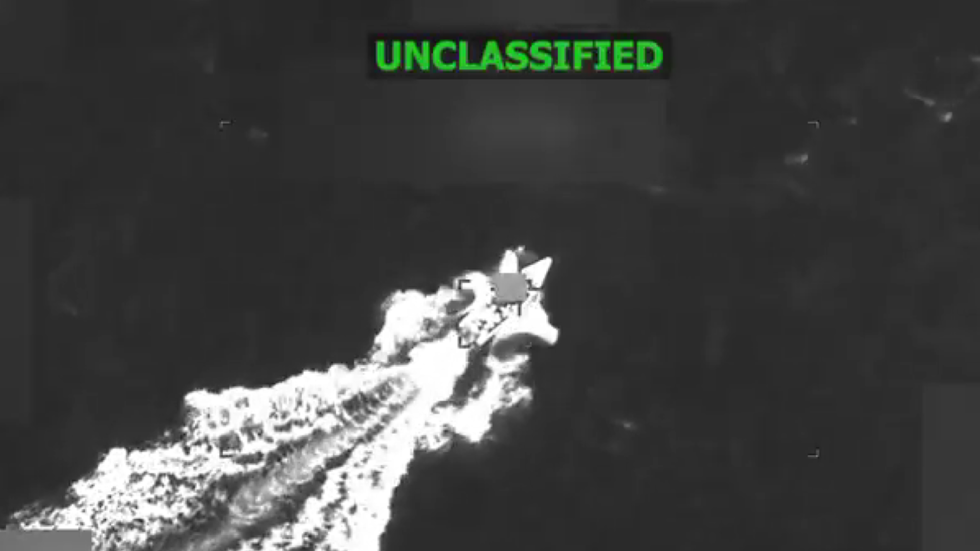
The United Kingdom has stopped sharing intelligence with the United States on suspected drug boats in the Caribbean after the U.S. began conducting lethal strikes on these vessels. Reports from CNN and The Times, citing sources familiar with the matter, say the decision reflects the UK’s view that such strikes violate international law.
Since September, the United States has reportedly killed at least 76 people in international waters as part of President Donald Trump’s campaign against what he calls “narcoterrorists” allegedly operating out of Venezuela. The UK maintains that it would not resort to lethal force without due process, preferring arrest and prosecution. A UK military source emphasized this approach: “We don’t just target the vessel and kill people. We would arrest them.”
Previously, the UK used intelligence assets based in its Caribbean territories to help the U.S. Coast Guard intercept vessels suspected of drug smuggling. That collaboration has now been suspended because the UK disagrees with the U.S. methods. United Nations human‑rights chief Volker Türk has condemned the U.S. strikes as “extrajudicial killings.” Both Venezuela and Colombia have denied that the individuals targeted were linked to cartels, and Venezuelan President Nicolás Maduro has strongly rejected Trump’s accusations that his government profits from the drug trade.
In response to rising tensions, President Trump has deployed a significant naval presence, including the aircraft carrier USS Gerald R. Ford, near Venezuela’s coast. Although Trump denies seeking regime change, his actions have prompted Maduro to place Venezuela’s military on alert, vowing to repel any potential attack.
The situation highlights stark differences in how nations address drug trafficking and the use of force in international waters. The UK’s decision to halt intelligence sharing underscores deeper concerns about the legality and ethics of lethal strikes without judicial oversight. As U.S.–Venezuela tensions continue to rise, international scrutiny of these actions is likely to increase, with many awaiting further developments and the potential consequences of these policies.