
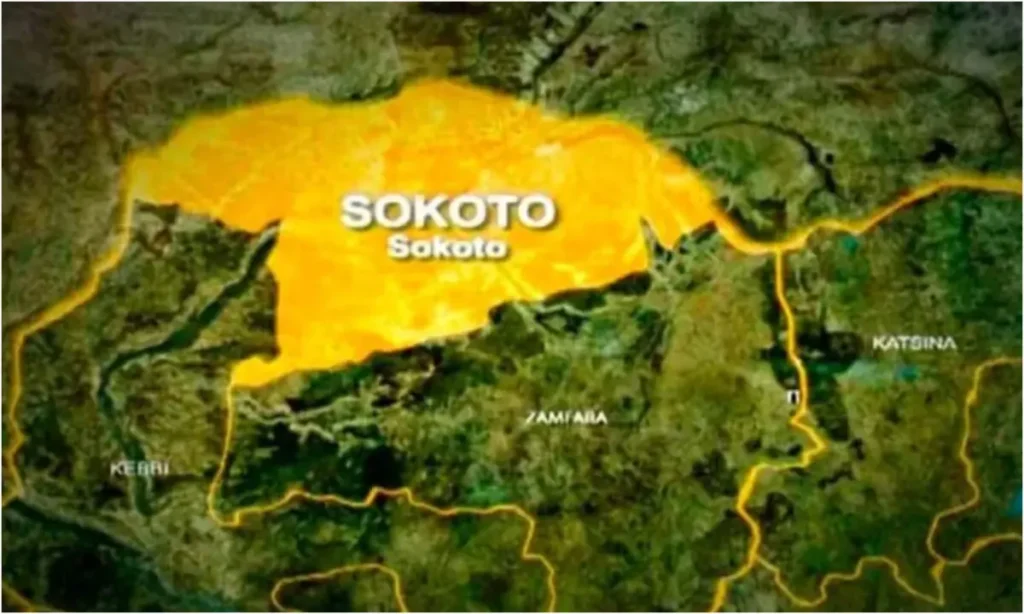
Sokoto State in Nigeria has reported an outbreak of dengue fever, with eight laboratory‑confirmed cases identified in the Sokoto metropolis, specifically in the Sokoto North and South Local Government Areas. The Ministry of Health has warned of an increasing number of reports of fever and severe malaria‑like symptoms and has urged healthcare workers to strengthen surveillance and case detection.
Health Commissioner Faruk Abubakar said the state is taking proactive measures to prevent the disease’s spread, noting that many dengue symptoms resemble malaria but require different treatment. He placed all healthcare workers on high alert, advising them to maintain a high index of suspicion for dengue fever in patients who present with fever, headache, joint pains, body aches, or rash—especially when malaria tests are negative or symptoms persist despite treatment.
Health facilities have been instructed to notify local government disease‑surveillance and notification officers immediately of any suspected cases and to collect appropriate samples for confirmation. Doctors have also been advised against using non‑steroidal anti‑inflammatory drugs (NSAIDs) such as ibuprofen and aspirin in suspected dengue cases, recommending paracetamol instead because of the risk of bleeding.
The state government emphasized strict infection control, safe waste disposal, and community action to eliminate mosquito breeding sites. Health workers were urged to report any unusual spikes in fever, clusters, or deaths promptly to disease‑surveillance offices. Commissioner Abubakar commended healthcare workers for their dedication in protecting residents’ health and encouraged continued vigilance and full cooperation with public‑health authorities to manage and report cases promptly.
The dengue outbreak in Sokoto State underscores the need for ongoing vigilance and proactive measures to prevent the spread of infectious diseases. As the rainy season approaches, the risk of mosquito‑borne illnesses like dengue is likely to increase, making it essential for authorities, communities, and individuals to take necessary precautions to protect public health.



Comments are closed for this story.