
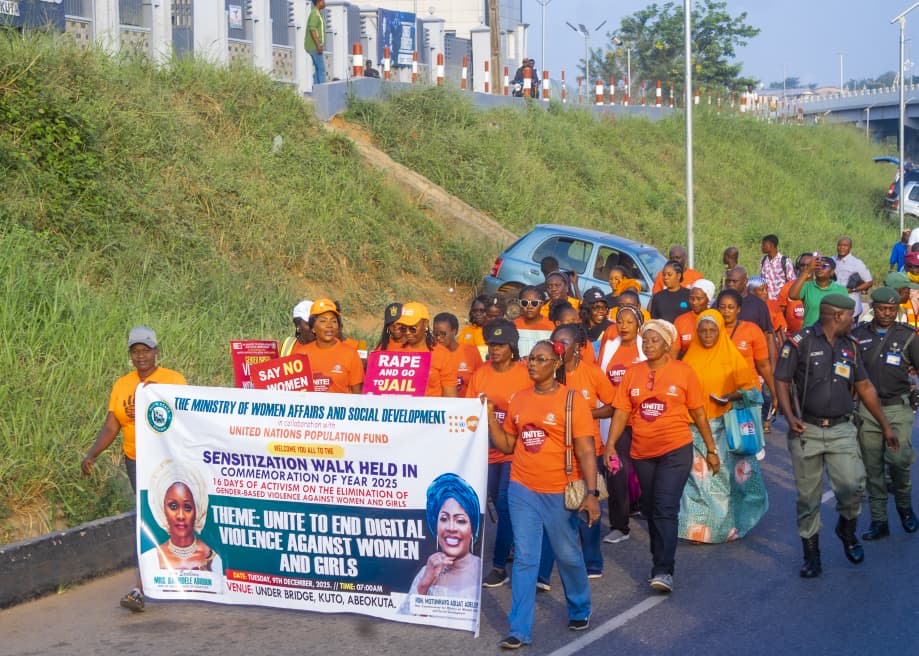
The Ogun State Commissioner for Women Affairs and Social Development, Adijat Adeleye, announced that 502 cases of gender‑based violence (GBV) were recorded in the state in 2025. The incidents span sexual assault, domestic abuse, child molestation, digital harassment, and intimate‑partner violence. Adeleye described the rising figure as alarming and said it underscores the need for stronger legal safeguards and coordinated institutional action to protect survivors and hold perpetrators accountable.
Of the 502 cases, 120 were reported at the state’s Sexual Assault Referral Centres (SARCs); the remainder were documented through area offices and partner organisations. However, many women and children remain silent because of fear, stigma, or social pressure, so the reported numbers represent only a fraction of the total cases that reach government channels.
Adeleye expressed particular concern over the surge in digital‑related abuse, including cyberbullying, online harassment, sextortion, and impersonation. She warned that technology has created a new frontier for abuse, allowing perpetrators to target victims remotely and anonymously. The commissioner highlighted the need for interventions that address the growing digital exposure of young people, who are increasingly vulnerable to online grooming, extortion, and emotional manipulation.
In response, the Ogun State government, in partnership with the State Economic Transformation Project and the United Nations Population Fund (UNFPA), has implemented several measures. These include strengthening SARCs, expanding temporary shelters, and providing capacity‑building for law‑enforcement officers, teachers, health workers, and social workers on digital safety and GBV response. The government has also broadened statewide sensitisation programmes to dismantle cultural practices that normalise violence and has reinforced Comprehensive Sexuality Education (CSE) to help young people understand personal safety, consent, and digital responsibility.
Adeleye identified key institutional challenges: slow judicial processes, family interference, underfunded survivor services, and weak inter‑agency coordination. She called for bold legal reforms to better support survivors, such as safe termination options for rape and incest victims and classifying rape as a non‑bailable offence. The commissioner urged parents, teachers, digital platforms, and community leaders to assume greater responsibility for safeguarding children and addressing online risks, and encouraged men to act as allies in challenging harmful norms and supporting a violence‑free society.
Overall, the Ogun State government’s efforts illustrate the need for a multi‑faceted approach to combat GBV and ensure the safety and well‑being of women, girls, and other vulnerable persons.



Comments are closed for this story.