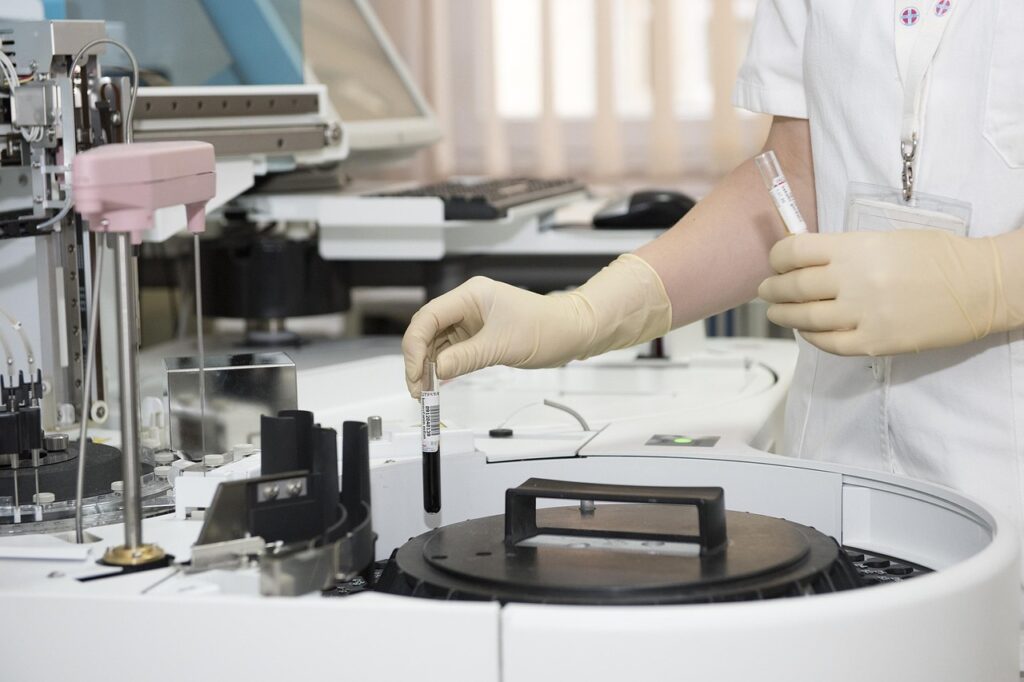
For years, I stood at the lab bench, staring at blood samples and culture plates, believing that the microscope held the answer to patient survival. But the real revelation came later, when I realized that a hospital’s true lifeblood isn’t just science—it’s the invisible machinery of management. Every decision about a bed, a nurse’s shift, or a diagnostic test is a quiet act of medicine. And when that machinery falters, patients feel it long before any code blue is called.
Healthcare management is not a back-office chore. It is the art of balancing clinical instinct with cold, hard logistics. At its core, it means making sure the right information reaches the right doctor at the right moment, and that every dollar and every minute is spent where it saves the most lives. This is where clinical decision support systems, or CDSSs, step in. These digital advisors come in two flavors: the old-school rule-followers that rely on preset algorithms, and the modern learners that mine mountains of patient data to spot patterns no human could see. Imagine a system that flags a diabetic patient’s readmission risk before they even leave the ward—that’s not science fiction, that’s a CDSS at work.
Let’s make this tangible. A basic CDSS can be built with a few lines of Python, using a random forest model to predict who will bounce back to the hospital within thirty days. You feed it historical patient data, train it to recognize the warning signs, and then let it score new admissions. It’s a simple trick, but it changes the game: instead of reacting to emergencies, care teams can intervene early, saving beds and, more importantly, sparing families the trauma of a return visit.
But even the smartest algorithm is useless if the hospital runs out of staff or supplies. Resource allocation is the quiet crisis no one talks about. Every shift, a manager must decide how many nurses to put on the floor, how many ventilators to reserve, how many ORs to keep open. This is not guesswork. It’s mathematics. Linear programming can minimize costs while keeping patient care above the danger line. Picture a simple equation: you have a limited pool of nurses and a growing list of patients. The goal is to cover both without burning out your team or turning away the sick. That’s not just a spreadsheet problem—it’s a moral one.
So, what have I learned from behind the glass of the lab? That healthcare management is the silent partner in every diagnosis and every recovery. It’s the reason a critical lab result reaches the ICU in minutes, not hours. It’s the reason a rural clinic can stretch its tiny budget to serve a thousand patients. The technology—whether it’s a machine learning model or an optimization formula—is only a tool. The real work is human: choosing to see the system as part of the patient’s body, as vital as a heartbeat. When we treat management with the same rigor as medicine itself, we don’t just improve outcomes. We honor the trust that every patient places in us, even when they never see the spreadsheet that saved their life.