
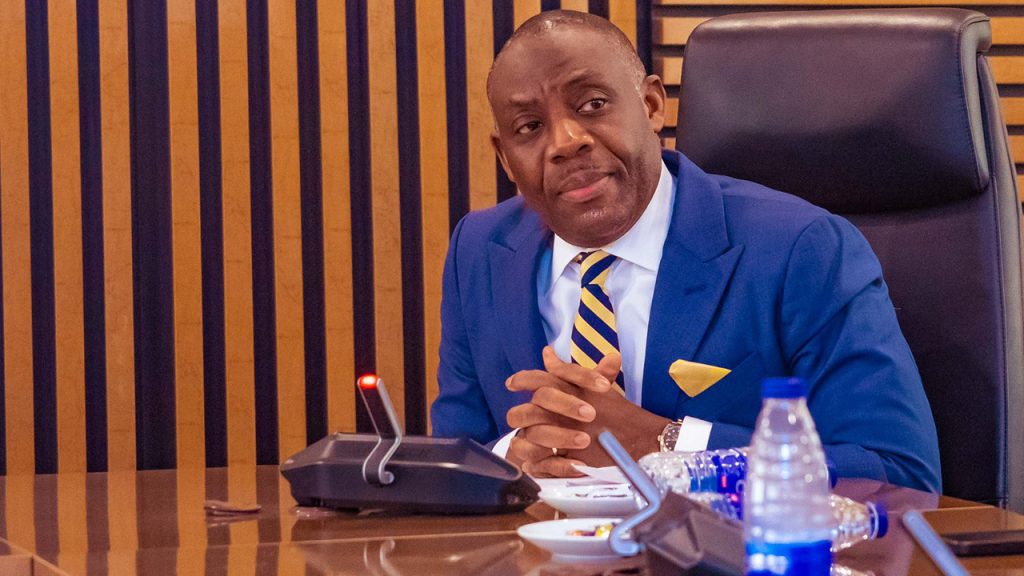
Nigeria’s Minister of Education, Tunji Alausa, has suggested that recent abductions of schoolchildren in the country may have had political motivations. Speaking on a television program, Alausa noted that after a 20-month period without incidents, a series of kidnappings occurred in recent weeks, which he believes may be aimed at embarrassing the government.
The minister’s comments come after a spate of abductions took place in various parts of the country. In one incident, at least 24 schoolgirls were taken from a Government Secondary School in Kebbi, but were later released. Additionally, over 200 schoolchildren were abducted from a Catholic private school in Niger state, with 50 managing to escape and reunite with their families. The Federal Government announced the release of the remaining schoolchildren last week.
Alausa stated that these coordinated attacks on schools are an attempt to undermine the country’s stability and target the current administration. He emphasized that President Bola Tinubu is strongly opposed to politicizing such sensitive issues. The minister’s statement highlights the complex and sensitive nature of the kidnappings, which have raised concerns about the safety and security of schools in Nigeria.
The recent abductions have drawn attention to the ongoing challenges faced by the country in ensuring the security of its educational institutions. The Nigerian government has been working to address these issues and prevent future incidents. The release of the abducted schoolchildren is seen as a positive development, but the underlying concerns about the motivations behind the kidnappings and the ability of the government to prevent such incidents in the future remain.
The situation underscores the need for continued efforts to enhance security measures in schools and to address the root causes of the kidnappings. As the government moves forward, it will be important to prioritize the safety and well-being of students and to work towards creating a secure and stable environment for learning.