
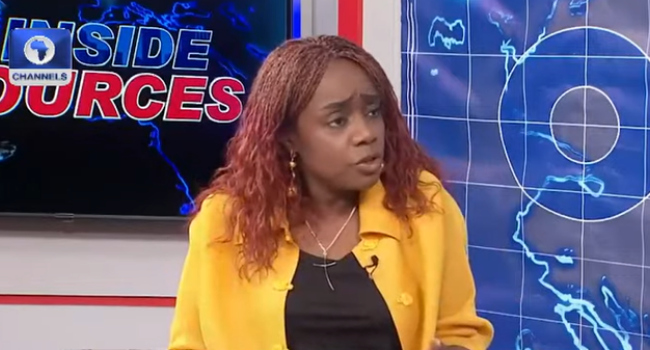
Former Nigerian Finance Minister Kemi Adeosun said that, during her tenure, ministers recognized that the fuel subsidy was not beneficial to the country. In an interview on Channels Television’s *Inside Sources*, she alleged that the federal government knew fuel was being smuggled to neighboring countries but lacked the courage to remove the subsidy.
Adeosun explained that the government had tried to address the problem through various measures, including the introduction of the Sure‑P program. Nevertheless, the subsidy regime continued to pose significant challenges. Nigeria’s fuel prices remained far lower than those in other countries, encouraging large‑scale smuggling. The former minister noted that the government’s reluctance to eliminate the subsidy stemmed from concerns about its impact on the population, yet she emphasized that the regime was unsustainable because it diverted funds from critical sectors such as roads, education, and health.
She welcomed President Bola Tinubu’s recent removal of the fuel subsidy, stating that the savings should be deployed to provide structural amenities for the masses. Adeosun urged citizens to scrutinize the government’s budget and ask intelligent questions about how funds are being utilized.
Adeosun also addressed the circumstances of her 2018 resignation, which followed allegations that her National Youth Service Corps (NYSC) certificate was forged. She claimed the issue was used as an “opportunity to get rid of her” by opponents of her continued stay in the cabinet. She revealed that she had informed President Buhari of her intention to initiate legal proceedings against the federal government over the matter and subsequently stepped down to pursue the case.
Adeosun’s comments shed light on the complexities of Nigeria’s fuel‑subsidy regime and the challenges the government faces in implementing policy reforms. As the country navigates this new era, it remains to be seen how the savings from the subsidy removal will be utilized to benefit the population. Citizens are being encouraged to engage with the government’s budget and demand accountability, marking a significant step toward transparency and good governance.



Comments are closed for this story.