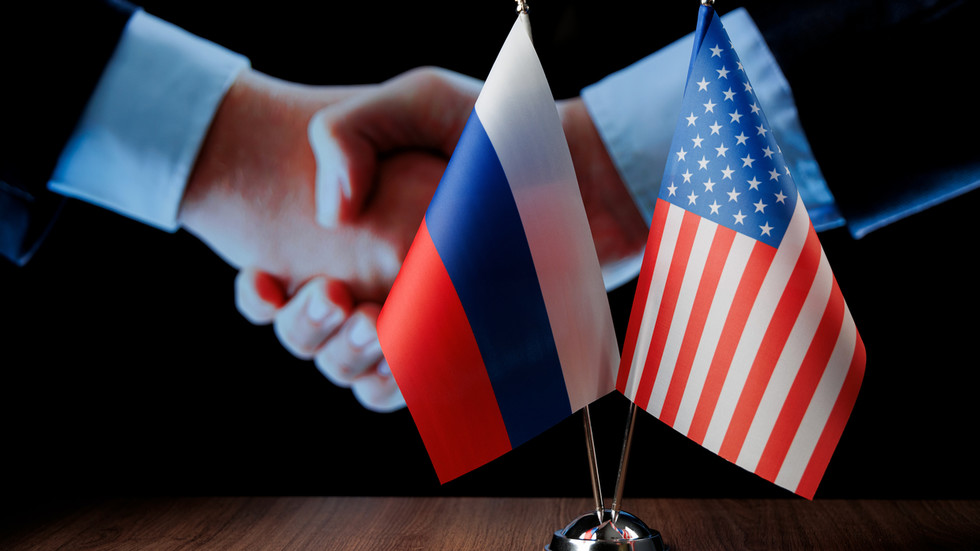
Moscow and Washington have initiated discussions on the future of the New START treaty, the last major nuclear arms control agreement between the two powers, following its formal expiration on February 5. The talks, which took place on the sidelines of Ukraine peace negotiations in Abu Dhabi, aim to explore a path forward for the agreement that limits deployed strategic nuclear warheads and launchers.
According to a report by Axios, citing three familiar sources, U.S. negotiators including presidential son-in-law Jared Kushner and special envoy Steve Witkoff engaged with the Russian delegation. A U.S. official stated the two sides “agreed to operate in good faith and to start a discussion about ways it could be updated.” Another source indicated an informal understanding to uphold the treaty’s core terms for at least six months while pursuing a longer-term successor framework.
The New START treaty, signed in 2010, capped each nation to 1,550 deployed strategic warheads and 700 deployed launchers, with robust verification measures. After a five-year extension in 2021, it lapsed earlier this month. Kremlin spokesman Dmitry Peskov confirmed on Thursday that Russia had proposed a one-year extension of the existing terms, an offer he said “remained unanswered.” He emphasized Russia would maintain a “responsible attentive approach” to strategic stability but would be “primarily guided by its national interests.”
The treaty’s expiration has drawn concern from the United Nations. Secretary-General Antonio Guterres called it “a grave moment for international peace and security,” warning that “the risk of a nuclear weapon being used is the highest in decades.”
Earlier, Russian President Vladimir Putin had suggested a one-year rollover to U.S. President Donald Trump, who expressed interest in a “better” agreement that would also involve China. However, Peskov stated that Beijing considers participation in a new trilateral pact “pointless” due to the vast disparity in nuclear arsenals, a position the Kremlin said it respects.
The current dialogue represents a tentative step to prevent the complete unraveling of bilateral nuclear constraints. Observers note that without a formal agreement, the two largest nuclear powers will lack any verifiable limits or data exchanges for the first time in decades, potentially heightening mistake and miscalculation risks. The outcome of these initial talks will determine whether a structured negotiation process for a new arms control framework can be established.