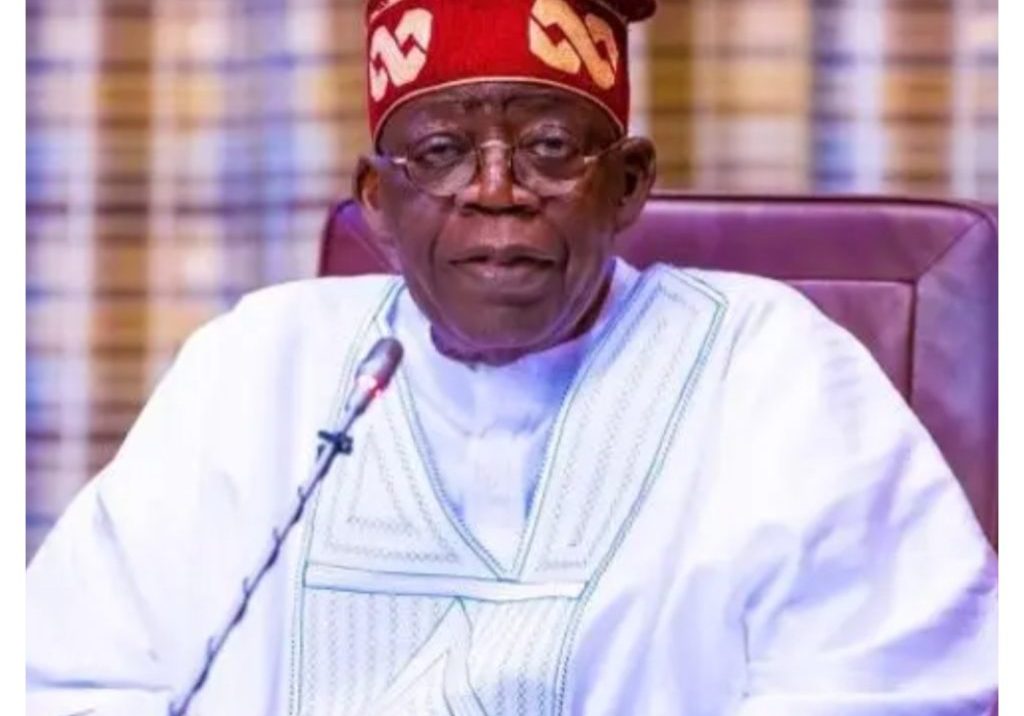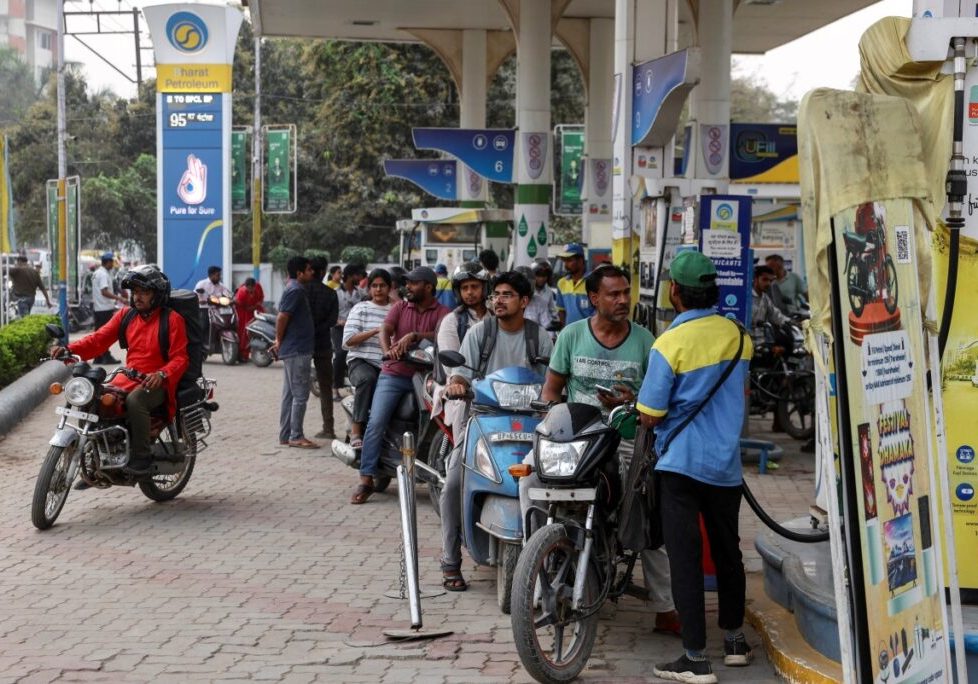
Nigerian oil marketers warn that petrol prices could rise to ₦1,500 per litre, citing escalating geopolitical tensions in the Middle East. Billy Gillis-Harry, President of the Petroleum Products Retail Outlets Owners Association of Nigeria (PETROAN), stated that while such a price point may seem high, consistent fuel availability is more critical than cost amid ongoing supply volatility.
This warning follows a fourth consecutive price hike by the Dangote Refinery within two weeks. The facility increased its ex-depot petrol price to ₦1,175 per litre, up from ₦995, and diesel to ₦1,620 per litre. Gillis-Harry noted that the refinery’s provision of a steady product supply, despite higher costs, is preferable to market scarcity. “The availability of product is much more important than pricing,” he said, adding that logistics and additional charges could push final pump prices toward ₦1,500.
The price surge is directly linked to a sharp increase in global crude oil benchmarks. As of Monday, Brent crude rose 10.91% to $102.8 per barrel, while WTI crude climbed 11.08% to $101.0, driven by fears over supply disruptions from the US-Israeli conflict with Iran. This has created a ripple effect across Nigeria’s downstream sector, as depot operators adjust to the revised costs from the country’s largest refinery.
However, the Dangote Refinery’s Managing Director, David Bird, clarified that the plant remains fully exposed to international market prices. Despite Nigeria’s crude-for-naira arrangement, which allows local refineries to purchase crude in naira, the commodity’s price is still tied to global benchmarks. Bird emphasized that the refinery does not access discounted Nigerian crude.
Internationally, U.S. President Donald Trump announced plans to waive certain oil sanctions to boost supply and lower prices. Following talks with Russian President Vladimir Putin, Trump said sanctions on some oil-producing nations would be temporarily lifted to address market turmoil. His comments, including a claim that the war with Iran is “pretty much” complete, contributed to a decline in oil prices on Tuesday. He also threatened an “incalculable” response if Iran blocks the Strait of Hormuz, a critical oil transit point.
While Trump’s de-escalation rhetoric provided immediate market relief, analysts note that the situation remains fluid. The conflict has already driven WTI crude up over 75% and Brent more than 60% since the war began, underscoring the profound impact of geopolitical risk on energy security.
For Nigeria, the convergence of global price shocks and domestic refinery adjustments means that consumers and businesses must prepare for sustained high fuel costs, even if temporary market sentiment shifts. The central challenge remains balancing affordability with the imperative of securing reliable energy supply chains in an unstable global environment.