
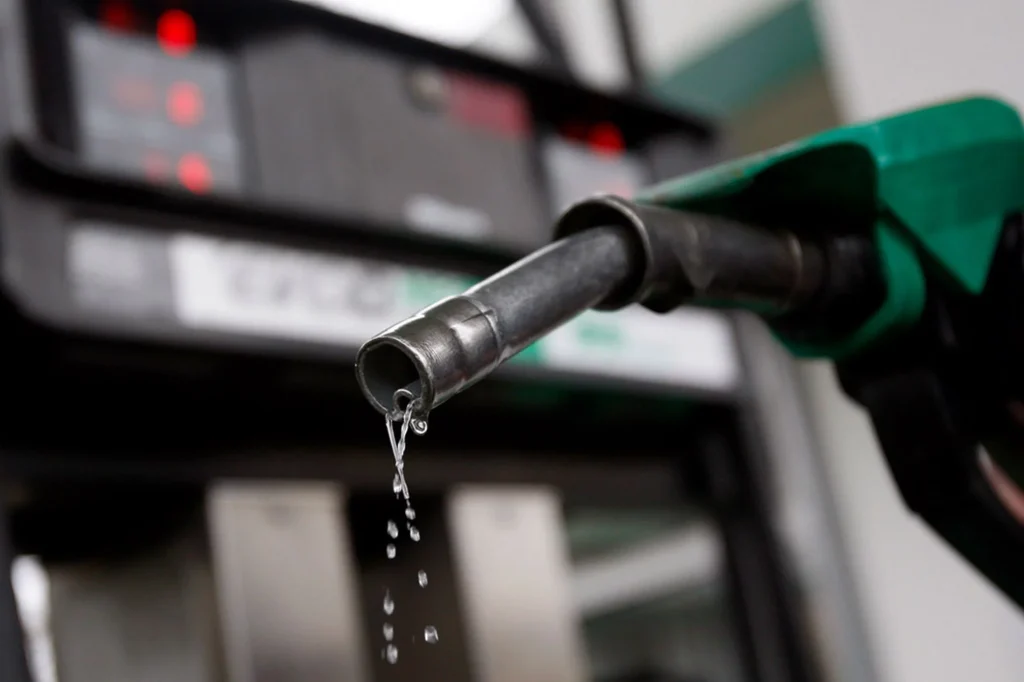
Nigeria’s hopes for a reduction in the price of premium motor spirit, commonly known as petrol, have suffered a setback as global crude oil prices climb in response to renewed tensions in the Strait of Hormuz. According to checks by Media Talk Africa on Monday, domestic fuel prices in Nigeria remain steady, ranging between N1,290 and N1,350 per litre. However, international benchmarks tell a different story. West Texas Intermediate (WTI) crude oil prices rose by 6 percent to $89 per barrel, while Brent crude climbed to $95 per barrel.
The latest price surge follows Iran’s temporary closure of the Strait of Hormuz over the weekend, a move Tehran justified by citing a blockade by the United States. The strategic waterway, which handles about 20 percent of global oil shipments, has long been a flashpoint in Middle East geopolitics. Iran’s actions were swiftly condemned by the international community, with some describing the move as “blackmail.” The Strait of Hormuz has once again become a focal point of global oil‑market volatility, reversing an 11 percent decline in crude prices seen earlier and underscoring the fragility of global energy markets amid ongoing geopolitical tensions.
Earlier this month, Abubakar Maigandi, president of the Independent Petroleum Marketers Association of Nigeria, expressed optimism that fuel prices in Nigeria could drop following a period of lower crude oil prices. The current upward trend in global oil markets, however, has dampened those expectations. For Nigeria—a major oil producer heavily reliant on fuel imports due to limited domestic refining capacity—fluctuations in global crude prices have a direct impact on local fuel costs. While the government has maintained subsidies to keep prices stable, the rising cost of crude oil could strain public finances and delay any potential relief for consumers.
As tensions in the Strait of Hormuz persist, analysts warn that further disruptions could push global oil prices even higher, making it increasingly difficult for Nigeria to reduce fuel costs in the near term. The situation highlights the interconnectedness of global energy markets and the vulnerability of oil‑dependent economies to geopolitical shocks.




Comments are closed for this story.