
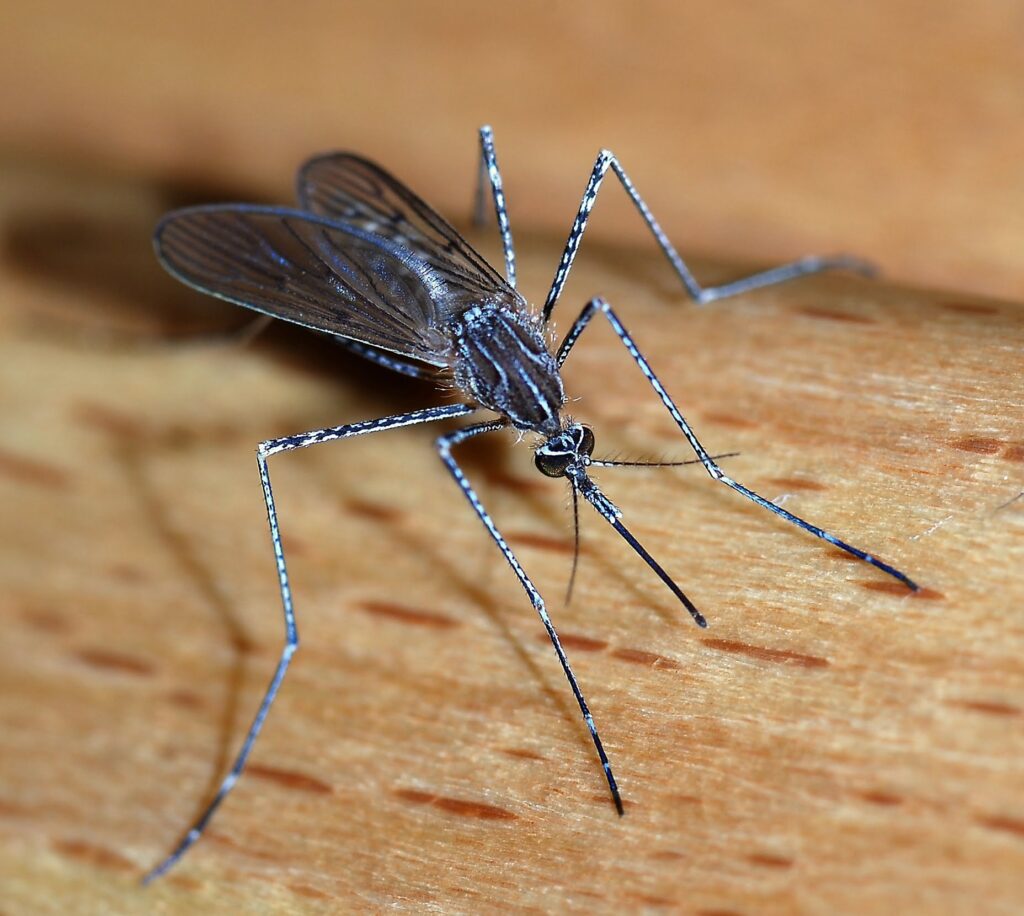
Lagos State Health District V reported that more than 978,000 malaria cases were treated in public and private health facilities in 2025, underscoring the disease’s persistent burden in the state. The figures were disclosed by Dr Oladapo Asiyanbi, Permanent Secretary of the district, during the 2026 World Malaria Day commemoration held on 29 April at the Amuwo Odofin Local Government Secretariat.
Dr Asiyanbi urged residents to adopt proper health‑seeking behaviour, warning against self‑medication and emphasizing strict adherence to prescribed treatment regimens. He reiterated the state’s core malaria‑control pillars—prevention, testing, treatment and tracking—and confirmed that public facilities will continue to offer free malaria diagnosis and treatment. The government also pledged sustained supply of insecticide‑treated nets (ITNs), rapid diagnostic test kits (mRDTs) and Artemisinin‑based Combination Therapies (ACTs).
The event aligned with the World Health Organization’s 2026 theme, “Malaria is Preventable and Treatable: Together, We Can Eliminate It.” It featured advocacy and community‑engagement activities designed to strengthen elimination efforts in Lagos. Representatives from the private health sector, civil‑society groups and local government were among the attendees.
A technical presentation by Dr Abimbola Oshinowo, State Malaria Elimination Programme Manager, highlighted the state’s policy framework, recent progress and ongoing strategies. She noted that malaria remains a leading public‑health challenge, especially for children under five, accounting for a substantial share of morbidity and mortality. “Over 978,000 malaria cases were treated across public and private facilities in 2025, underscoring the need for sustained intervention and increased community participation,” she said.
The programme also included a panel discussion titled “Barriers to Test and Treat Adherence.” Panelists—Dr Abiodun Oshunsanya (Harvey Medical Centre, Ajeromi), Dr Shosanya Abidemi (Medical Officer of Health, Ojo LG), Dr Oshinowo and community representative Hon Bashiru Ajayi—identified poor adherence to diagnostic results, over‑reliance on clinical judgment, self‑medication and low community awareness as major obstacles to effective malaria management. Participants called for intensified health education, stronger community engagement and greater public trust in diagnostic tools to improve treatment outcomes.
In addition to treatment‑focused messages, the event stressed environmental sanitation as a critical preventive measure. Speakers highlighted the need for proper waste disposal and elimination of mosquito breeding sites to reduce transmission risk.
The Lagos State Health District’s announcement and the accompanying advocacy activities reaffirm the government’s commitment to malaria elimination. Continued provision of free diagnostics and treatment, coupled with community‑driven prevention, will be essential to achieving the 2030 global malaria‑elimination targets.



Comments are closed for this story.