
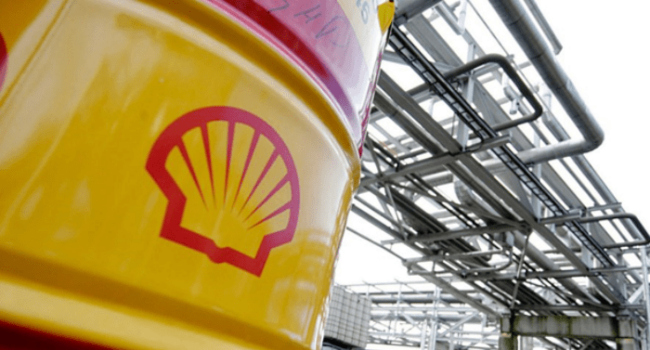
British energy major Shell reported a 19 percent rise in first‑quarter net profit, driven by higher oil and gas prices amid heightened geopolitical tension in the Middle East.
In its earnings statement for the January–March period, Shell said profit after tax climbed to $5.69 billion, up from $4.78 billion in the same quarter of 2025. The increase reflects the impact of soaring commodity prices following the outbreak of conflict in the region, which has pushed benchmark crude and natural‑gas prices to multi‑year highs.
Chief executive Wael Sawan attributed the stronger result to “relentless focus on operational performance in a quarter marked by unprecedented disruption in global energy markets.” The company highlighted continued execution of its cost‑control programme and disciplined capital allocation as contributors to the earnings uplift.
The price surge follows the escalation of hostilities in the Middle East, where supply concerns have tightened global markets. Brent crude, the international benchmark, rose above $90 per barrel during the quarter, while natural‑gas spot prices in Europe and Asia posted double‑digit percentage gains. Analysts note that such price spikes typically boost the profitability of integrated oil majors that combine upstream production with downstream refining and marketing.
Shell’s performance mirrors a broader trend among the sector’s leading firms, many of which posted improved earnings in the first quarter as the market adjusted to the conflict‑driven supply outlook. However, the company cautioned that volatility is likely to persist, with potential upside from further price movements offset by operational risks and regulatory scrutiny.
The earnings release also included updates on Shell’s strategic initiatives. The firm reaffirmed its target to achieve net‑zero emissions by 2050 and outlined progress on its renewable‑energy portfolio, including investments in hydrogen, biofuels and offshore wind. Despite the short‑term profit boost from higher fossil‑fuel prices, Shell indicated that long‑term growth will depend on the transition to lower‑carbon energy sources.
Investors responded positively, with Shell’s shares rising modestly on the news. The company’s dividend payout remained unchanged, and the board signalled confidence in its ability to deliver stable cash flow in a turbulent market environment.
Overall, Shell’s 19 percent profit increase underscores the immediate financial benefits that higher oil and gas prices can provide to integrated energy companies, while also highlighting the persistent uncertainties tied to geopolitical developments and the ongoing energy transition. The coming months will test the firm’s capacity to balance short‑term earnings gains with its longer‑term sustainability objectives.




Comments are closed for this story.