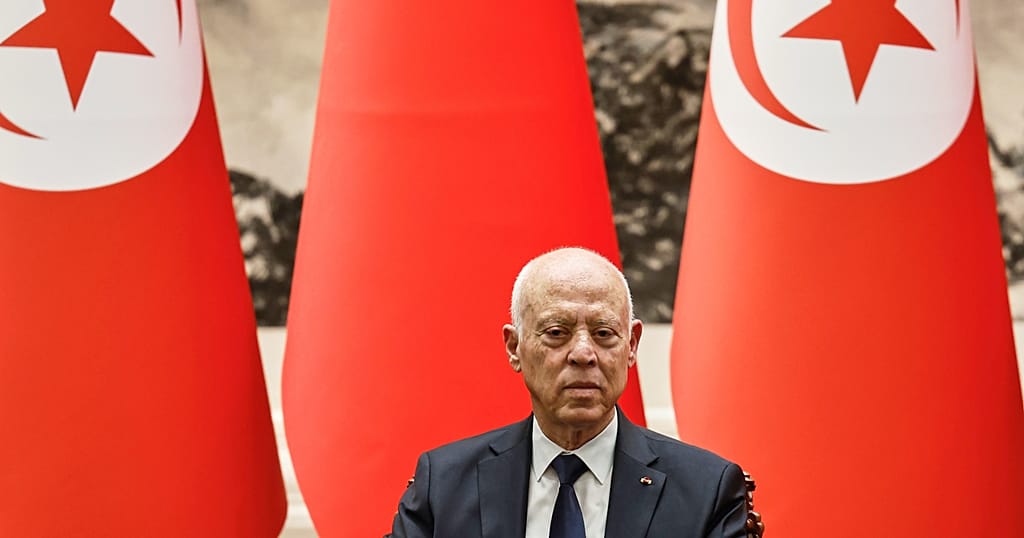
The United Nations High Commissioner for Human Rights, Volker Türk, called on Thursday for Tunisia to halt an expanding wave of repression that targets civil‑society organisations, journalists, human‑rights defenders and opposition figures. In a statement, Türk warned that the continued restrictions on civic space “undermine the rights of people protected under the country’s constitution and its international human‑rights obligations.”
His remarks followed recent actions by Tunisian authorities that have further constrained the operating environment for NGOs and the media. Earlier this week, the local branch of the international legal‑aid organisation Avocats Sans Frontières (ASF) was temporarily suspended for 30 days, though the agency did not disclose the grounds for the ban. The move came just days after the Tunisian League for Human Rights faced a comparable suspension. Tunisian officials frequently justify such measures by citing alleged funding irregularities or audit deficiencies, a practice the UN rights office says reflects a “growing trend” of judicial sanctions used to limit freedom of association without sufficient regard for legality, necessity or proportionality.
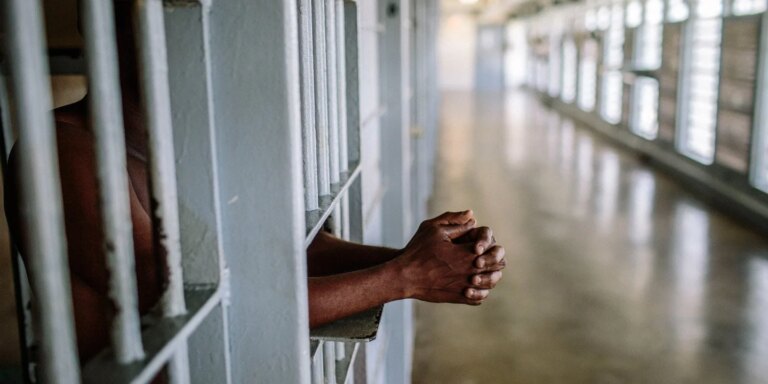
Parallel to the NGO clamp‑down, the government has intensified restrictions on the press. Late last month, journalist Zied el‑Heni was arrested on accusations of causing “harm to others” and damaging reputations after criticising court rulings against fellow media workers. A Tunisian court sentenced el‑Heni to one year in prison on Thursday. His supporters described the trial as illegitimate, stating that he would not recognise the verdict and would not appeal. According to the UN office, 28 other journalists were detained last year and handed various prison terms for actions linked to their professional duties. Many of these prosecutions were based on a 2022 decree‑law that criminalises “crimes related to information and communication systems.”
Türk urged Tunisian authorities to release immediately and unconditionally all individuals detained for exercising their right to free expression, and to lift arbitrary restrictions on the freedoms of expression and association. He added that any limitations on fundamental freedoms must be exceptional, clearly defined by law, necessary, proportionate, non‑discriminatory, and accompanied by due process and effective judicial oversight. The UN commissioner concluded that safeguarding the rule of law in Tunisia requires stronger institutional protections, the preservation of civic space, and inclusive, rights‑based legislative reforms aligned with the country’s international human‑rights commitments. The international community will be monitoring Tunisia’s response to these demands as the nation navigates its obligations under both domestic and global legal frameworks.