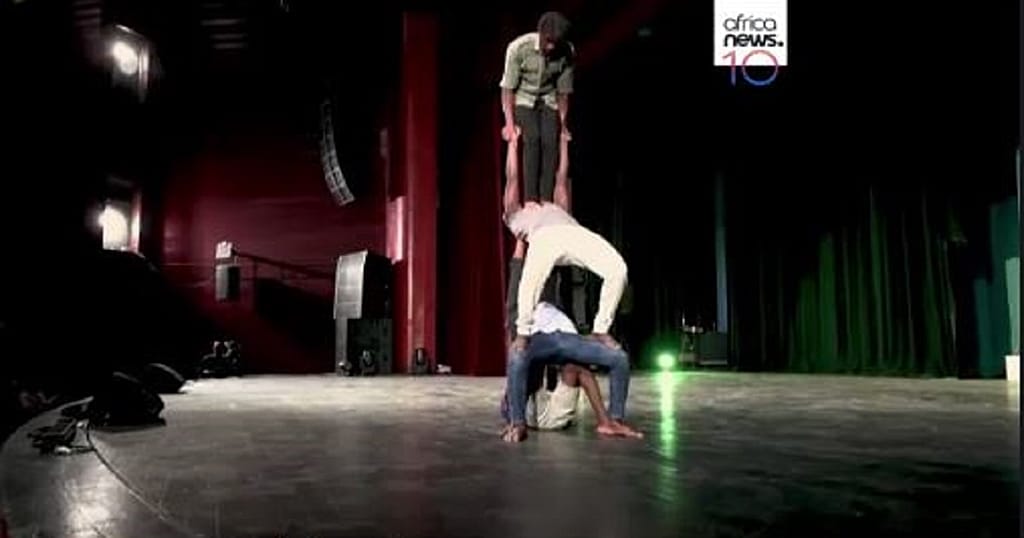
The Dafra Circus’s newest show, “Souffle” (Breath), uses mime, dance, and acrobatics to depict the impact of Burkina Faso’s jihadist conflict on children. Performed by a four‑member quartet in Abidjan, Ivory Coast, the piece portrays youngsters forced to juggle ammunition, experience extreme fear, or succumb to madness, conveying trauma that words cannot capture. Choreographer Jean Adolphe Sanou told AFP that the performance is “about life… and when we talk about life we talk about hope, and hope means the children.”
The show follows more than a decade of violence in Burkina Faso, during which United Nations reports indicate thousands of children have been killed, kidnapped, raped, or recruited by extremist groups. Human Rights Watch has also accused the Burkinabe army and its allied civilian volunteers of abuses, including against minors. While the circus does not address the alleged misconduct by security forces, it emphasizes the broader humanitarian cost of the conflict.
The troupe, based in Bobo‑Dioulasso, travelled to a festival in Abidjan in mid‑April to present the hour‑long performance to an audience of several hundred. During the act, a performer adopts the movements of a traumatized child, combining pirouettes, swaying steps, and somersaults to illustrate a descent into insanity. Artistic director Moustapha Konate described circus as an art form that “makes it possible to bring together as many people as possible” because it draws viewers through “feats, beauty, fluidity of movement.” He added that dance is “perhaps the easiest way for us artists to deal with a topic.”
A 2023 United Nations report noted that children have suffered the greatest share of abuses in Burkina Faso’s spiral of violence, with more than 2,200 experiencing grave violations between 2022 and 2024. The most common offenses include murder, mutilation, abductions, forced recruitment, exploitation, and sexual violence. “Souffle” reflects the personal experiences of the performers, all of whom have been affected by the conflict. The show received enthusiastic reviews in both Ouagadougou and Bobo‑Dioulasso. Konate said many in Burkina Faso are unfamiliar with circus, and the blend of circus, dance, theatre, juggling, and storytelling offered a novel experience.
After the performance, 21‑year‑old Yeli Gnougoh Coulibaly commented that artistic presentations of Burkina Faso’s terrorist violence are important because they are “a bit more subtle” and “less shocking than the news, because on TV… it’s scary.” The production highlights the role of cultural expression in raising awareness of humanitarian crises and may influence future artistic engagement with conflict‑related themes in the region.