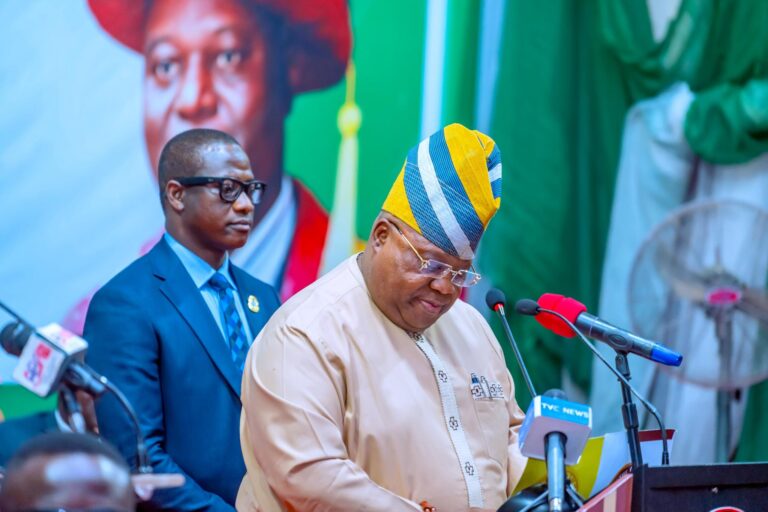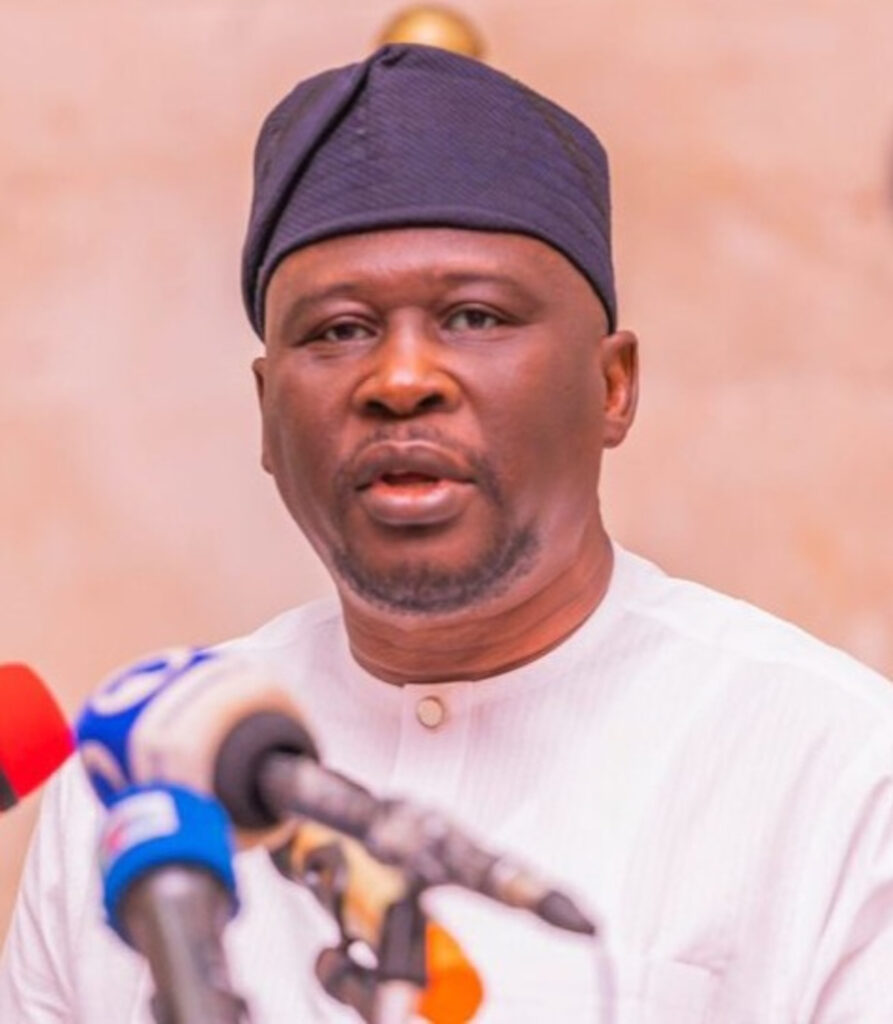
Adamawa State Governor Ahmadu Umaru Fintiri has announced a minor reshuffle of his executive council, reassigning two commissioners to new portfolios. The changes, which take effect immediately, were detailed in a statement released by the governor’s Chief Press Secretary, Humwashi Wonosikou.
Under the new arrangement, Joab Sahma, who had been serving as Commissioner for the Ministry of Lands and Survey, will now head the Ministry of Commerce, Trade and Industry. Conversely, Dr John Ishaya Dabari, formerly the Commissioner for Commerce, Trade and Industry, has been transferred to the Ministry of Lands and Survey.
Governor Fintiri described the redeployment as a move to “inject fresh energy” into the administration and to reinforce its commitment to efficient public service delivery. In his remarks, he urged the two officials to approach their new responsibilities with dedication and a renewed focus on implementing programmes and policies that benefit the people of Adamawa.
The reshuffle comes as the state continues to pursue development initiatives across key sectors, including agricultural value chains, market infrastructure, and land administration reforms. By placing Sahma at the helm of commerce and industry, the governor signalled an intention to bolster private‑sector engagement and stimulate economic diversification. Meanwhile, Dabari’s appointment to Lands and Survey is expected to reinforce efforts to streamline land registration, improve survey data accuracy, and support investment in land‑based projects.
Observers note that such intra‑government transfers are a common tool for Nigerian governors seeking to revitalize their cabinets without triggering larger political upheavals. By rotating senior officials, incumbents can test new leadership dynamics, address performance gaps, and maintain a perception of responsiveness to emerging challenges.
The governor’s office emphasized that the reassignment does not signal any broader political realignment or impending changes to the state’s policy agenda. Instead, it reflects an administrative decision aimed at optimizing the execution of existing programmes, particularly those targeting job creation, trade facilitation, and improved land governance.
Stakeholders in the commerce and trade sector have welcomed Sahma’s appointment, citing his experience in land and infrastructure matters as potentially valuable for addressing bottlenecks in market access and logistics. Similarly, land rights advocates have expressed optimism that Dabari’s background in commerce will bring a more market‑oriented perspective to land administration, potentially accelerating the issuance of titles and encouraging private investment.
The governor’s next steps include convening meetings with the two commissioners to outline specific priorities for their ministries. Expected focus areas include the rollout of a digital land registration system, the promotion of small‑ and medium‑sized enterprises (SMEs) through trade fairs, and the strengthening of regulatory frameworks to attract domestic and foreign investors.
As Adamawa seeks to position itself as a hub for agricultural processing and cross‑border trade, the effectiveness of these ministerial swaps will be measured by the speed and quality of policy implementation. Continued monitoring by civil society groups and business chambers will be crucial in assessing whether the reshuffle translates into tangible improvements for the state’s economy and its residents.