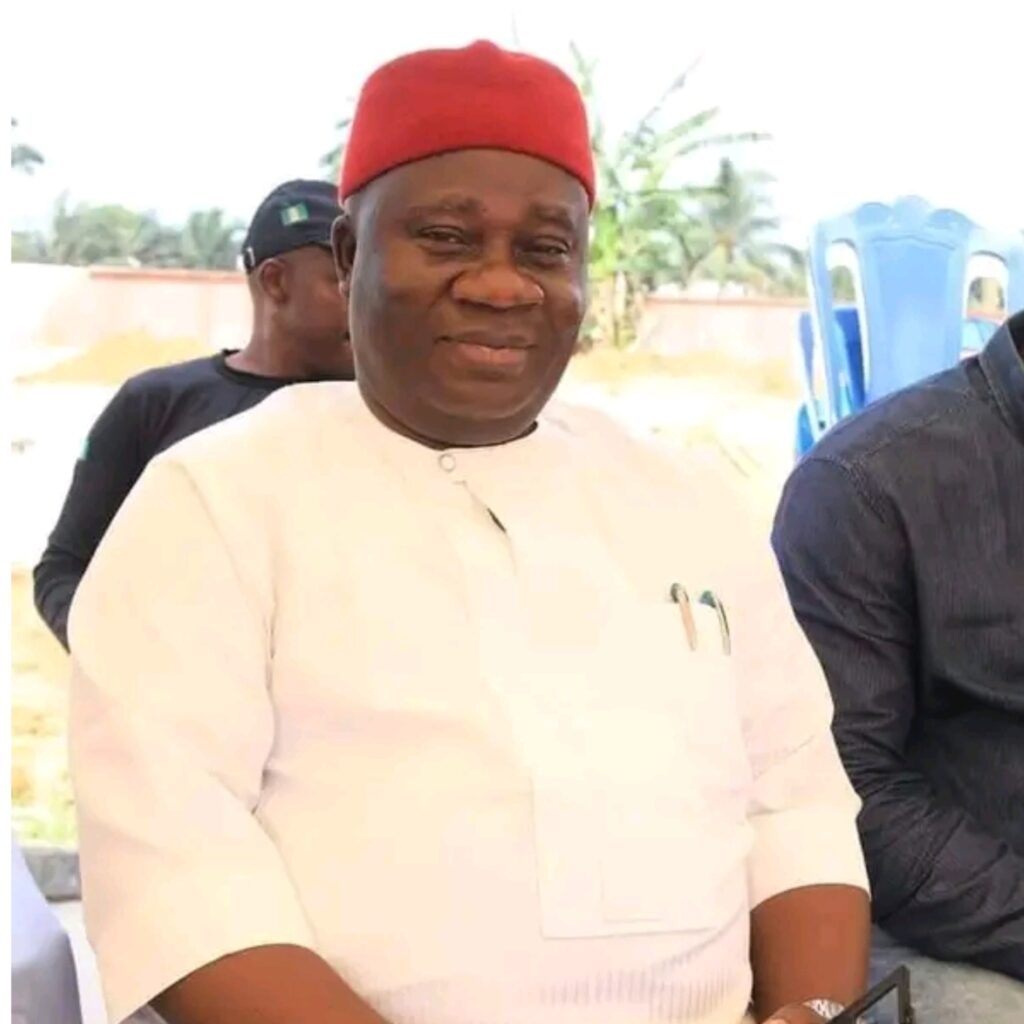
Federal lawmaker Munachim Alozie, the representative for Abia State’s Obingwa/Osisioma/Ugwunagbo constituency, was met with a chorus of boos from a group of youths during a political rally in Obingwa on Thursday. The incident unfolded as Alozie took the microphone to address a sizable crowd assembled for the event.
According to eyewitnesses, the youths interrupted the lawmaker repeatedly, chanting in the local Igbo dialect, “Dede lotuo, igaghi aga ozo, nke igara aga, adighi ihe anyi huru,” which translates roughly to a demand for him to step down and an expression of dissatisfaction with his performance. The chants persisted throughout Alozie’s remarks, prompting the representative to pause several times in an attempt to respond.
Alozie sought to highlight his achievements and ongoing projects in the constituency, but the vocal opposition remained unrelenting. The youths’ reaction, they say, reflects a broader perception among some constituents that the member of the National Assembly has delivered little tangible benefit during his tenure.
Supporters of Alozie condemned the youths’ behavior as disrespectful and potentially incendiary. Kenneth Nzube, a member of the lawmaker’s support group, said the episode “was provocative and could have sparked off violence, but I am happy that Honourable Alozie maintained his usual peaceful character.” Nzube added that the interruption was an “embarrassing” episode that detracted from the event’s intended purpose.
The episode underscores growing frustration in parts of the constituency, where youths and community leaders have increasingly voiced concerns about development gaps, infrastructure deficits, and perceived lack of accountability from elected officials. While Alozie has not issued a formal statement following the incident, observers note that such public displays of dissent may pressure the representative to engage more directly with constituents and address the highlighted grievances.
The incident adds to a pattern of heightened public scrutiny of lawmakers across Nigeria, where citizens are increasingly demanding transparency and results from their elected officials. As the political climate remains charged ahead of upcoming electoral cycles, interactions such as the one in Obingwa could influence both local perceptions of governance and the broader discourse on representative accountability.
No further incidents were reported at the venue, and the rally concluded without any reported violence.