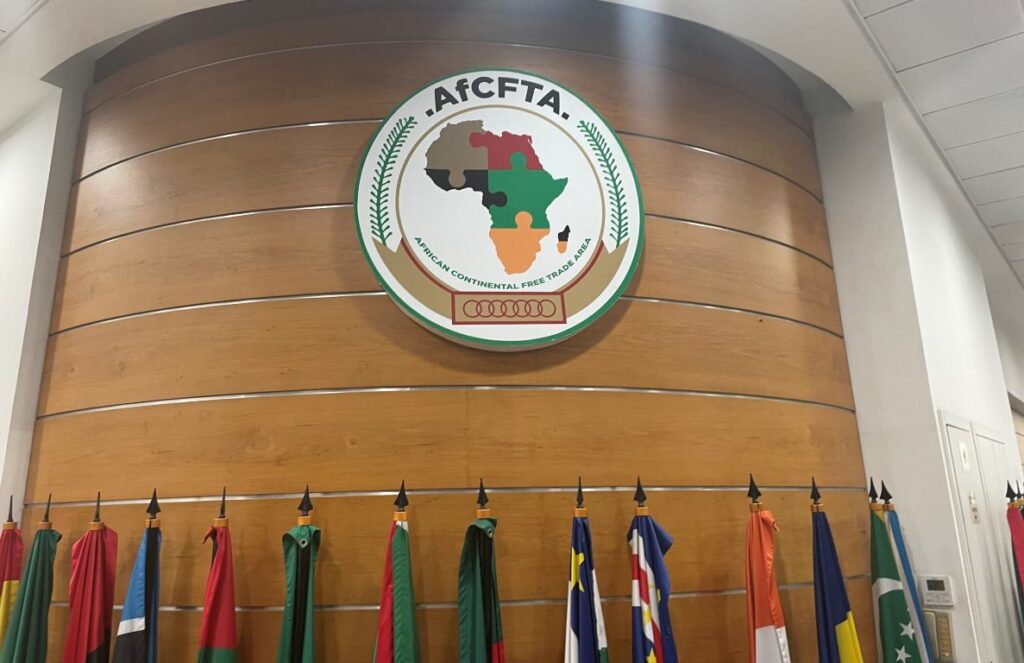
Nigeria is overhauling its business classification system to better support digital firms expanding across African markets, according to the Minister for Industry, Trade and Investment, Dr Jumoke Oduwole. Speaking at the second AfCFTA Digital Trade Forum in Lagos, Oduwole said only 5% of Africa’s digitally delivered services are currently traded within the continent, highlighting a significant untapped opportunity for intra-African trade and digital transformation.
The minister outlined a deliberate, consultative approach to unlocking that potential. In April 2025, the ministry undertook the first comprehensive mapping of Nigeria’s digital services ecosystem, producing what she described as Africa’s first directory of digital services firms disaggregated by sector. The exercise identified five priority expansion markets for Nigerian businesses: Egypt, Ghana, Kenya, Rwanda and South Africa.
The mapping also revealed a structural policy gap. Many digital businesses no longer fit neatly into traditional industry classifications, Oduwole said, making it necessary to update existing frameworks so that policies, incentives and support programmes reflect the companies actually driving growth.
Days before the forum, trade ministers, policymakers and technical experts from across Africa met in Abuja to review progress on implementing the African Continental Free Trade Area. Those discussions reinforced a central point, Oduwole said: negotiating the agreement was only the beginning. Real value depends on whether businesses can leverage it to scale across the continent.
Governments have a responsibility to build an ecosystem that makes it easier for Startups and digital businesses to grow, she argued. While Africa celebrates its unicorns, the founders behind them had to be exceptionally resilient just to start and even more resilient to scale. The goal now is to ensure the next generation does not require that same level of resilience — that it becomes easier to build, easier to scale and easier for capital to find great businesses.
Nigeria already provides a strong foundation. The ICT sector contributes close to 18% of GDP. The country hosts approximately 28% of Africa’s Fintech companies, and more than 60% of its population is under the age of 25, representing one of the continent’s largest pools of digital talent.
Yet harmonised policies are essential for seamless cross-border transactions, Oduwole stressed. If a business can build a world-class product in Lagos but struggles to receive payments in another African market or navigate different regulatory requirements at every border, the full promise of the AfCFTA remains unrealised. Sustaining the digital ecosystem’s expansion will require a policy environment that supports innovation and enables businesses to thrive across African markets.