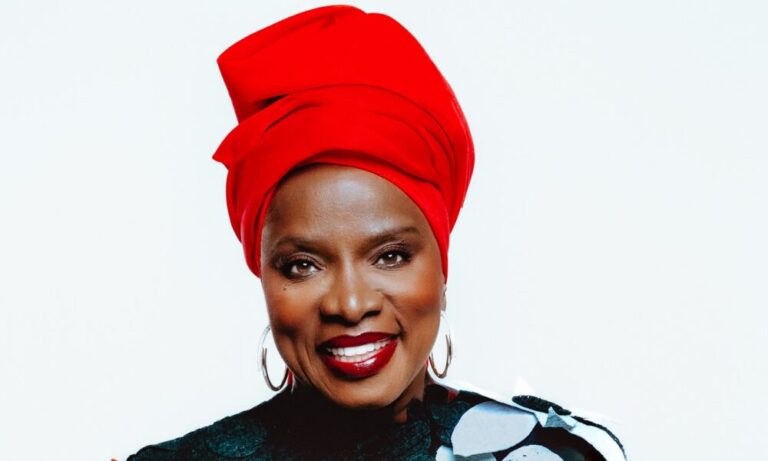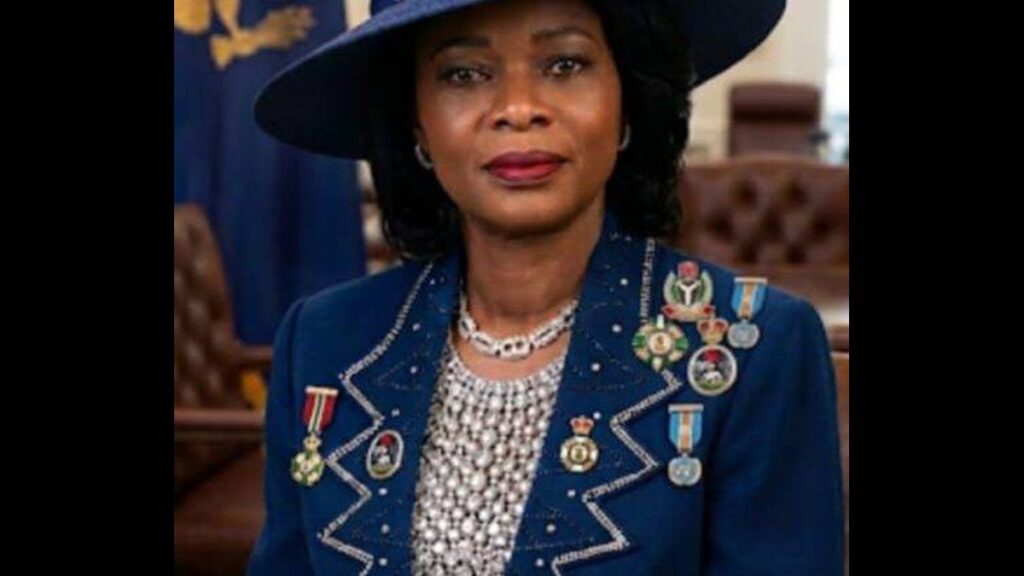
Duke-Abiola has accepted the endorsement of African nations for the United Nations secretary-general position, describing the nomination as a solemn call to serve vulnerable communities worldwide. The announcement came in a statement released Saturday following her nomination by the African Policy and Research Consortium, a network spanning the majority of African countries as well as South Africa, Rwanda, Egypt, Barbados and Chile.
Duke-Abiola, who holds a doctorate in sustainable development with a focus on the UN Sustainable Development Goals, said the endorsement represented more than personal recognition. She framed it within the UN’s commitment to human rights, peace, justice, dignity and international cooperation.
“As an African woman, I understand the wider significance of this nomination,” she said. Duke-Abiola highlighted the barriers facing millions of girls across the continent — poverty, insecurity, early marriage, exclusion and limited access to education — and said the endorsement sends a powerful message that African women can lead globally.
She expressed gratitude to heads of state, institutional partners, scholars, diplomats, public servants and development advocates who supported her candidacy, saying their confidence had strengthened her commitment to integrity, intellectual leadership and public service.
Given the magnitude of the secretary-general’s office, Duke-Abiola said she has begun broad consultations with family, elders, statesmen and women, professional colleagues, diplomatic partners and thought leaders across Africa and internationally. She described the process as one requiring seriousness, wisdom and reflection.
“The Office of Secretary-General is a sacred trust on behalf of humanity,” she said, adding that any decision concerning such service must be guided by conscience, national interest, continental responsibility and the advancement of global peace.
Duke-Abiola emphasized the urgent need for effective global leadership amid conflict, displacement, inequality, climate insecurity and declining confidence in international institutions. She pointed to the role of African policy and intellectual networks in generating solutions and building bridges across nations and regions.
Addressing women and children globally, she urged them not to doubt their capacity to lead and govern wisely. “Your circumstances must never define your destiny,” she said, encouraging them to pursue education, courage and excellence and to continue dreaming boldly.