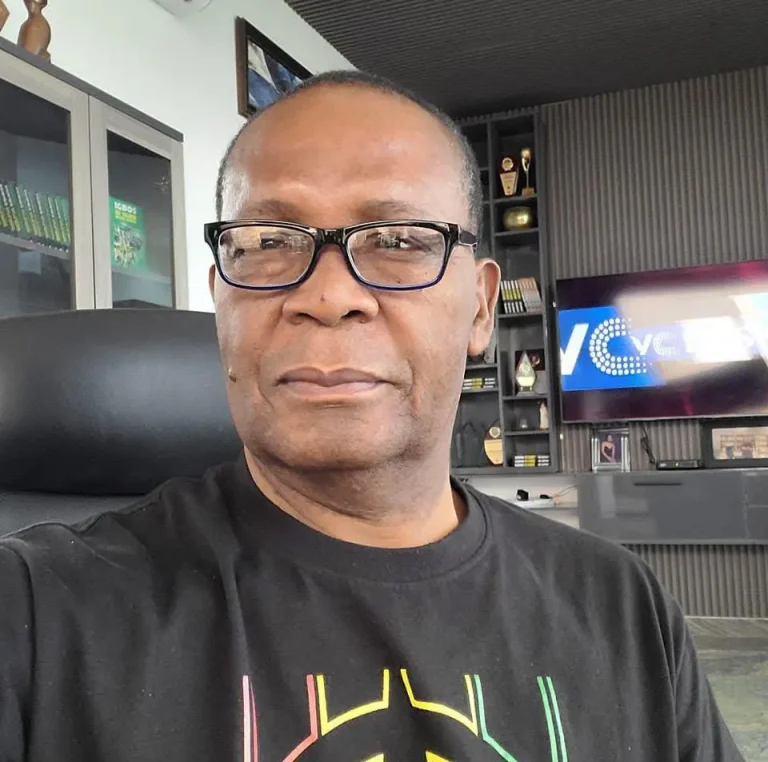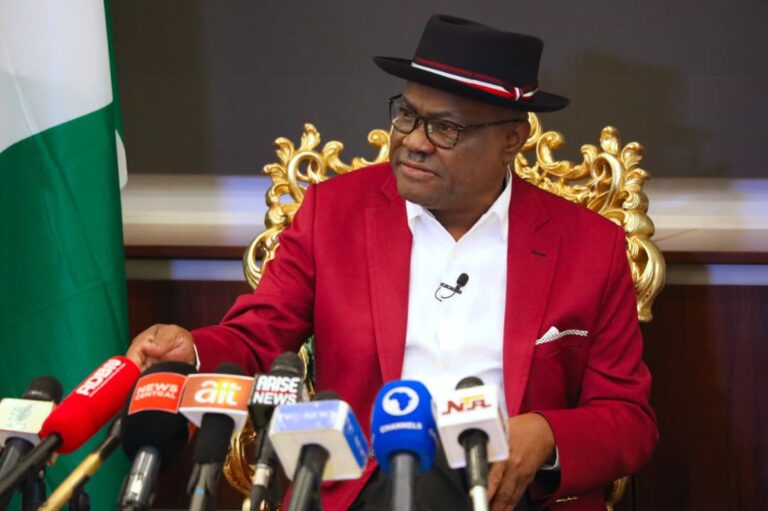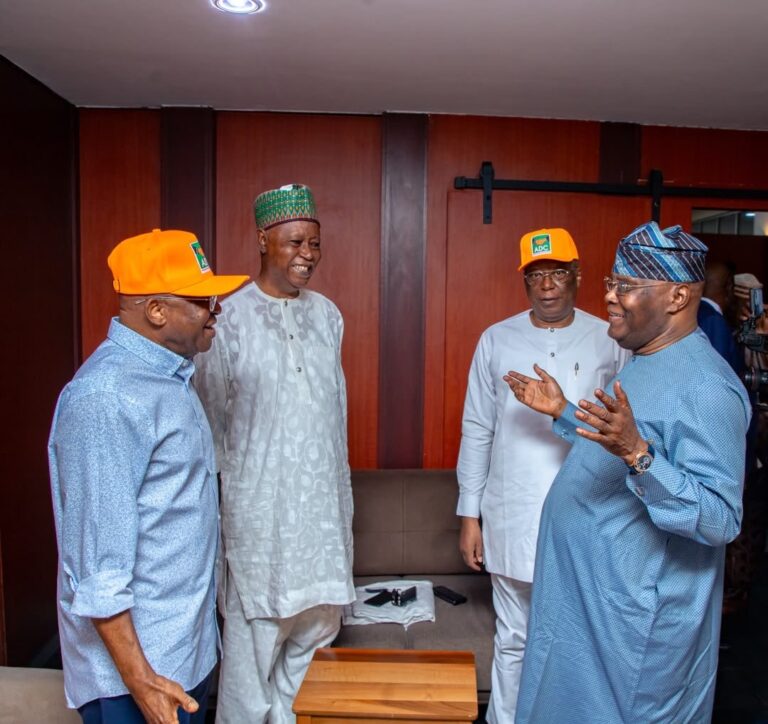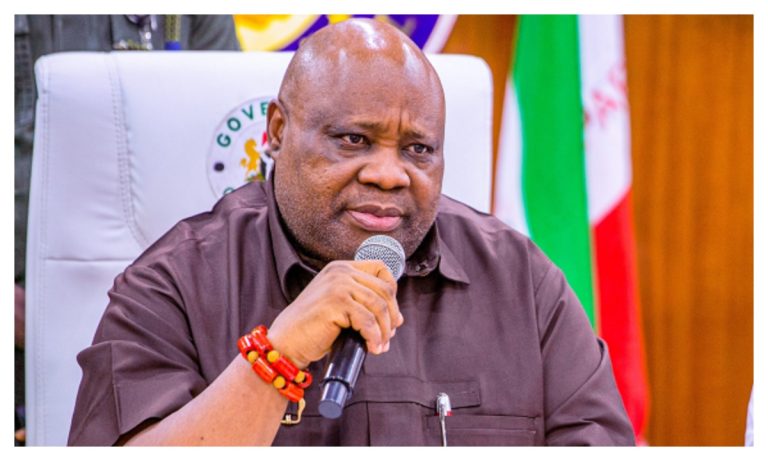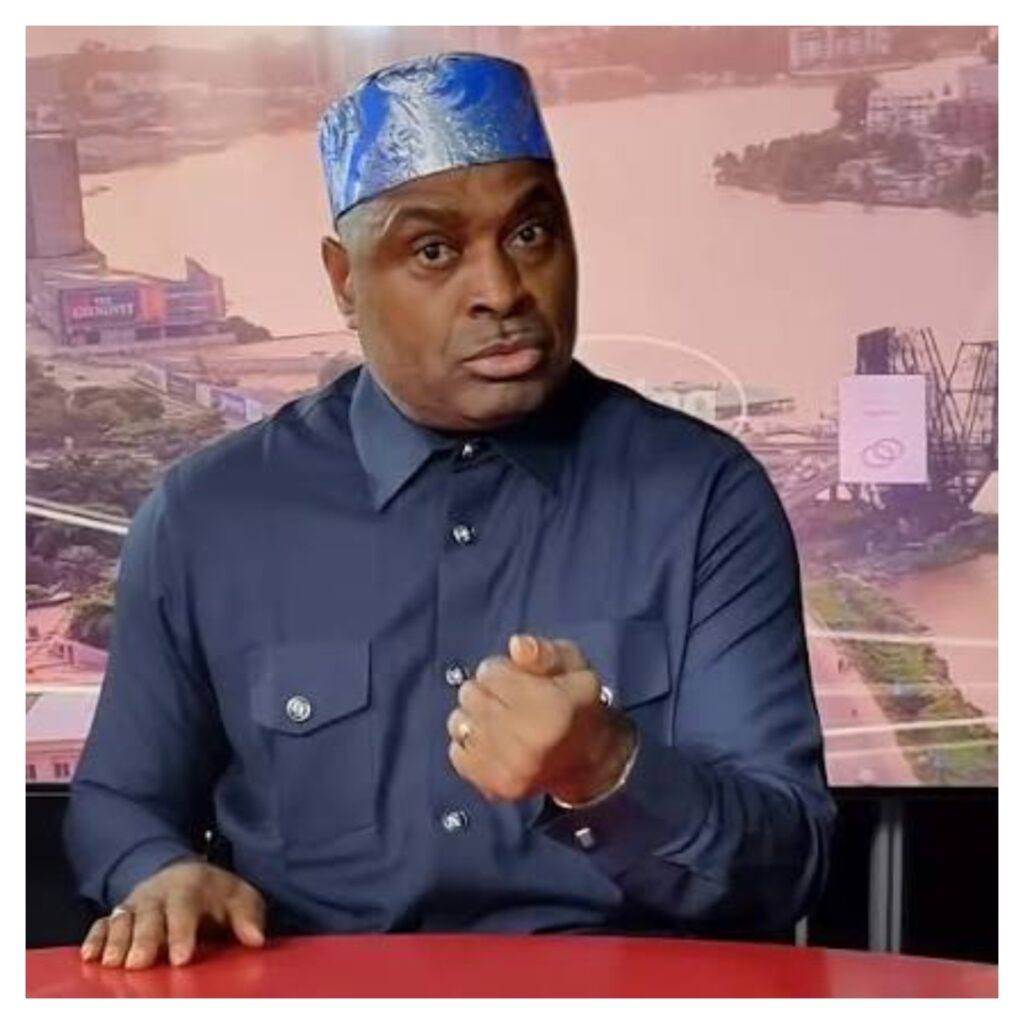
Kenneth Okonkwo, campaign spokesperson for the African Democratic Congress presidential candidate Atiku Abubakar, has declared that President Bola Tinubu will not win the 2027 election. Speaking in an interview on Symfoni TV, Okonkwo asserted that Tinubu’s tenure will end after the next general election, describing the current administration as the worst in Nigeria’s history. He argued that without electoral manipulation, the president would fail to secure a single state.
Okonkwo drew a comparison with the 2023 general Elections, stating that the opposition campaigned without the advantage of incumbent governors or institutional resources, yet Tinubu did not win more states than their coalition. He contended that the president’s performance since assuming office has further eroded his electoral viability. “Now that he is the worst President Nigeria has ever had, do you think he will win any state without rigging? Tinubu will not win any state,” Okonkwo said. He expressed confidence that the path to victory for Abubakar is clear, adding that success would come by the grace of God.
The remarks reflect a hardening opposition narrative ahead of the next electoral cycle. Okonkwo, a veteran Nollywood actor who transitioned into active politics, has been a prominent voice in recent election campaigns. His latest comments signal an early effort to frame the 2027 contest around the incumbent’s record, particularly on governance and electoral integrity.
Political analysts note that such declarations, while common in pre-election positioning, will be tested by the evolving alignment of opposition parties and the Independent National Electoral Commission’s capacity to administer credible polls. The ADC’s association with Abubakar, a former vice president and perennial presidential contender, suggests a potential coalition strategy aimed at consolidating anti-incumbency sentiment.
The presidency has not issued a formal response to the specific allegations. However, Tinubu’s allies have previously dismissed characterizations of his administration as unfounded, pointing to ongoing economic reforms and infrastructure projects as evidence of progress. As the political calendar advances, the credibility of both the opposition’s critique and the government’s defense will likely dominate public discourse.
The 2027 election remains distant in procedural terms, but the rhetorical battle has already begun. Okonkwo’s interview underscores the extent to which historical grievances and performance assessments are shaping early mobilization. Whether the opposition can translate such confidence into a unified front and electoral success will depend on candidate selection, legal frameworks, and voter sentiment in the intervening years.