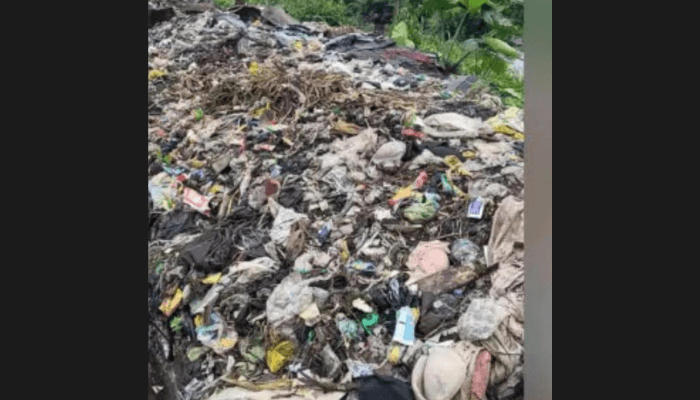
Port Harcourt, once celebrated as Nigeria’s Garden City, now confronts a waste crisis that has transformed its entryways into landmarks of neglect. Heaps of refuse greet travelers arriving from Eleme, Aba, Choba, and Owerri, replacing the tree-lined streets and manicured parks that defined the city’s identity for decades.
Historical records describe Port Harcourt as a city of lush neighborhoods, vibrant recreational spaces, and fresh air from the creeks. The Old GRA and Aggrey Road areas exemplified this planned elegance. Residents recall an era of evening strolls and tranquil neighborhoods before rapid industrialization reshaped the urban fabric.
The Port Harcourt Tourist Beach, established along Kolabi Creek in 1988, once drew crowds for live music, picnics, and boat rides. Its decline mirrored the city’s broader deterioration. The recent opening of Port Harcourt Pleasure Park on Aba Road has revived some weekend vitality, drawing families to its lakes and fitness trails. Yet the contrast with surrounding squalor remains stark.
Cultural life persists amid the decay. Open-air dining, palm wine gatherings, and the distinctive bole Trade — roasted plantain and fish sold streetside — sustain a social rhythm that distinguishes the city. This lifestyle reflects the convergence of maritime and petroleum wealth with deeply rooted communal traditions.
Responsibility for the waste crisis remains contested. Government House asserts it meets monthly financial obligations. The Ministry of Environment points to the evacuation agency tasked with collection. Observers describe a system nearing paralysis, with vultures now common at dumpsites that were once green spaces.
The question of who compels effective action remains unanswered. As Port Harcourt’s refuse mountains grow, so does the urgency for accountability in a city struggling to reconcile its past grandeur with its present reality.