At 74, I’ve traded my agricultural research for a new kind of fieldwork: digging into the stories carried by rocks that fall from the sky. Living in Mali, far from the world’s major laboratories, I’ve learned that wonder doesn’t need a fancy address. My years in call centers and public relations taught me how to connect with people, and now I want to connect you with one of the most thrilling subjects in science: meteorites. These aren’t just dusty space pebbles. They are time capsules, and they have a lot to say.
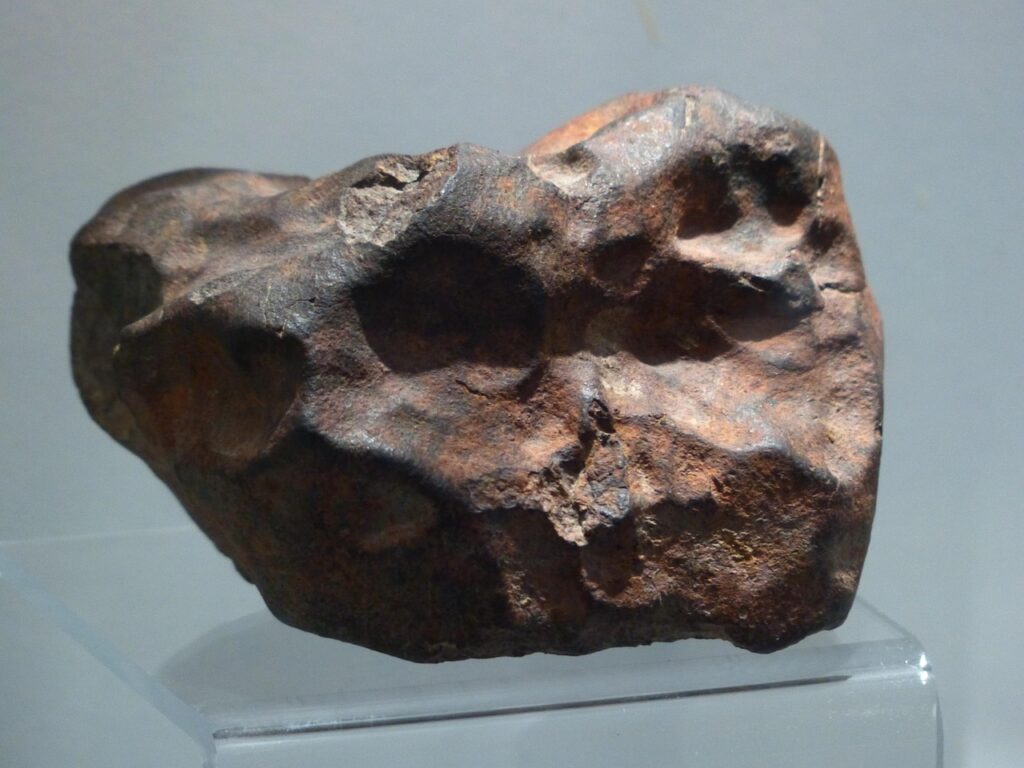
When an asteroid gets knocked off course by a collision, bits of it drift through the void until they hit our atmosphere. Most burn up in a flash, but the lucky ones survive the fiery fall and land on Earth. That’s a meteorite. And here’s the kicker: some of these fragments contain dust grains that predate our Sun. That means when you hold a piece of a meteorite, you’re holding something older than the star that gives us light. It’s like finding a diary entry from before the solar system even existed.
Not all meteorites are alike. The most common are the stony ones, rich in silicate minerals. Then you have the iron variety, dense and metallic, made mostly of nickel and iron. And there’s a rare hybrid called stony-iron, which mixes both. Each type tells a different story about where it came from and what it went through. To crack these stories open, scientists use everything from CT scans that peer inside without damaging the sample, to more hands-on methods like slicing and chemical analysis. By studying the mineral layout and isotopic fingerprints, researchers can figure out how old a meteorite is, what it was made of, and even the temperatures and pressures it endured.
One of the most electrifying discoveries is that some meteorites carry amino acids, the basic building blocks of life. That doesn’t mean we found aliens, but it does suggest that the ingredients for life might have hitched a ride on space rocks to early Earth. That’s a game-changer for how we think about our own origins. And here’s a little secret: you don’t need a PhD to play with this data. A simple Python script can classify meteorites by their composition, helping amateur enthusiasts and professionals alike sort through the cosmic clutter.
Meteorite research isn’t just about rocks. It’s about understanding how planets form, how life might start, and how the whole cosmic ballet works. Every new sample we study could rewrite a chapter of our history. So whether you’re a seasoned researcher or someone who just looked up at the night sky and wondered, there’s a place for you in this quest. The universe left us clues, and they’re scattered across the ground, waiting for someone to pick them up and ask the right questions.


![Osun election: Voters turn out early, wait for INEC officials [Video]](https://mediatalkafrica.com/wp-content/uploads/2026/08/Osun-voters-queue-early-for-governorship-election-as-INEC-materials-768x576.jpg)