There is a quiet rhythm at the heart of modern medicine, one that most of us never stop to hear. It is the pulse of transfusion medicine, a field where the cold precision of science meets the warmth of human generosity. Every pint of blood that moves from one arm to another is a verse in a larger narrative, a story of survival written in antigens and antibodies, in donors and strangers who become lifelines.
To understand this world, you have to start with the blood itself. It is not a simple fluid but a living tapestry, woven from red cells, plasma, platelets, and a host of proteins that carry oxygen, fight infection, and seal wounds. The science of transfusion is, at its core, a study of compatibility. The ABO system, that familiar alphabet of A, B, AB, and O, is just the beginning. Beneath it lies a maze of Rh factors, minor antigens, and immune responses that can turn a routine transfusion into a delicate negotiation between the body and the foreign.
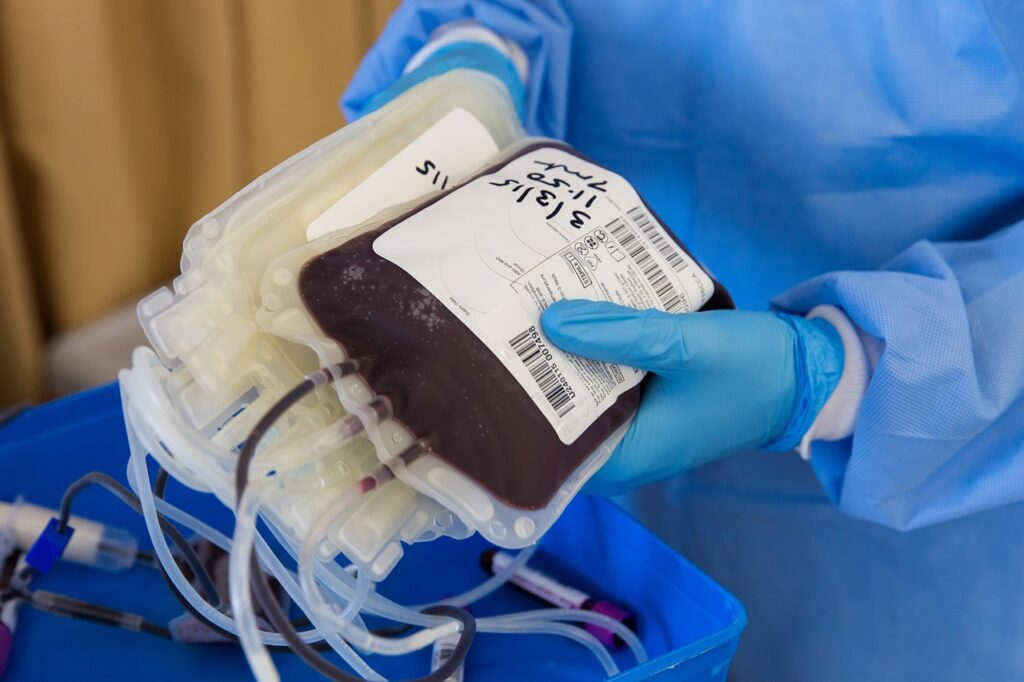
The process begins with a donation, an act of trust. Volunteers give their blood, which is then tested, typed, and scrutinized for hidden threats. Infectious diseases are screened out, and the blood is prepared for its journey. But the real challenge arrives when that blood meets a new host. The immune system is a vigilant guardian, and it does not always welcome strangers. Cross-matching, a technique that mixes donor cells with recipient plasma in a controlled setting, is the medical equivalent of a diplomatic handshake, a way to ensure that the meeting does not turn hostile.
What often goes unnoticed is the quiet machinery behind the scenes. Consider nitrogen, which plunges blood components into cryogenic slumber, preserving them for months or even years. Praseodymium, obscure and rarely spoken of, finds its place in the alloys of surgical tools. Antimony, with its odd chemistry, contributes to the materials that make modern diagnostics possible. These elements are the unsung characters in a story that is usually told only through the lens of needles and bags.
There is also a geography to this field, a branching logic that mirrors the natural world. Think of distributary rivers, splitting and rejoining as they carry water to the sea. In transfusion medicine, the flow is similar. Blood leaves a donor, is divided into components, travels through storage and transport networks, and finally reaches a patient in a hospital bed. Each branch of this system is a lifeline, and like the artificial levees that hold back the sea in places like Indonesia, the protocols of transfusion medicine are built to withstand pressure, to protect against catastrophe.
The adaptability of this field is remarkable. It is not unlike the creatures that survive in the harshest environments, the addax in the desert, the baboon on the savanna, the thylacine in the wild, the crocodile in the swamp. Each patient is a different ecosystem, and transfusion medicine must adjust to the terrain. A child with leukemia, a soldier with trauma, a mother with postpartum hemorrhage, each demands a different approach, a different composition of blood products, a different level of urgency.
Beneath it all runs a current of code. Not just the genetic code that dictates blood types, but the digital code that tracks every unit, every batch, every transfusion. In an age where data is king, the meticulous record-keeping of blood banks is a quiet triumph of logistics. Every number, every label, every scan is a line of code in a system that ensures the right blood reaches the right person at the right time.
And yet, for all its complexity, transfusion medicine is ultimately a human endeavor. It is a field built on the simple act of giving. The symbols that might seem like random marks, a snowflake, a maple leaf, a flag, a star, are reminders of the diversity of life and the universality of care. They speak to the connections that bind us, the kindness that moves us to roll up our sleeves and offer a part of ourselves to a stranger.
The story of transfusion medicine is still being written. Every day, new techniques emerge, new storage methods, new ways to stretch the shelf life of blood, new insights into the immune system’s quirks. But the heart of it remains unchanged. It is a story about the power of human kindness, told one drop at a time, one life at a time, one quiet act of hope at a time.