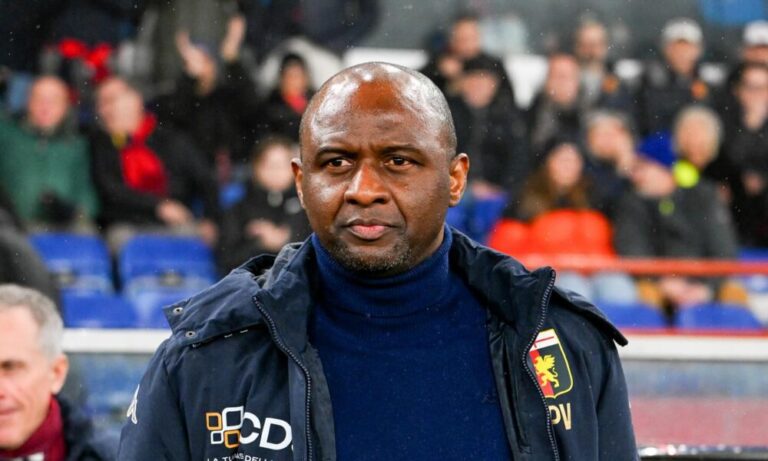
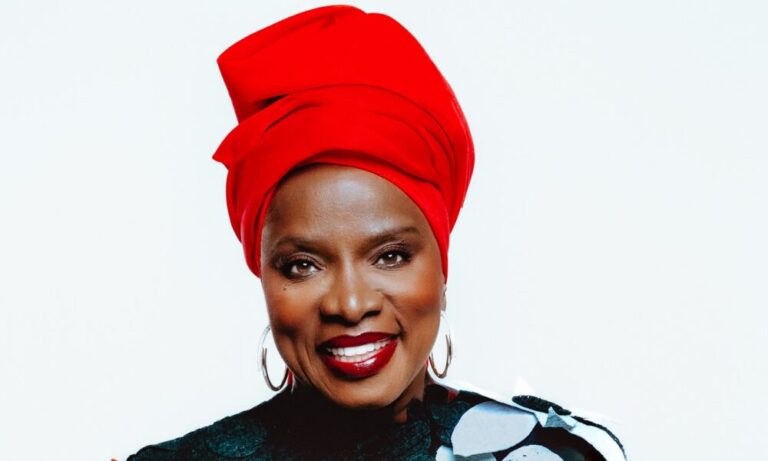
Nigerian singer-songwriter Kunmie has released a new single titled “Prisoner,” a track that explores the emotional complexities of a toxic romantic attachment through a blend of English and Nigerian Pidgin. The song, which appears alongside album artwork marked “22,” depicts a narrator caught in a cycle of hurt and return, unable to fully sever ties with a partner who repeatedly causes pain yet demands presence.
The lyrics frame the relationship as a form of captivity. “Prisoner baby I’m your prisoner o / You no wan let me go and you no wan leave me alone,” Kunmie sings in the chorus, using the refrain to underscore a dynamic defined by control and reluctant dependence. The verses alternate between vulnerability and resignation, acknowledging the damage inflicted — “I don see shege all the damages / No go fit change me” — while admitting an inability to stay away when summoned. “Even though you hurt me / When you need me I go come over,” he concedes, capturing the paradox of forgiving what the mind resists.
Musically, the composition leans on Afro-fusion rhythms, with the production providing a steady, hypnotic pulse that mirrors the song’s lyrical loop. The phrase “Energy solar / You charge me up when I was lower” suggests a transactional intimacy, where affection functions as intermittent reinforcement. The narrator recognizes the pattern — “Drunk and sober / When you say it’s over” — yet remains tethered, caught between self-preservation and emotional habit.
Kunmie’s delivery shifts between melodic phrasing and conversational cadence, grounding the track in a realism that avoids melodrama. Lines like “Oh consider man baby o consider me o / Killing me gently baby but you’re living large o” introduce a note of indictment, contrasting the partner’s apparent indifference with the narrator’s quiet erosion. The use of Yoruba-inflected Pidgin — “Se mi ba kan ba kan,” “Awele,” “Eledami” — anchors the song in a specific cultural lexicon, broadening its resonance for local audiences while retaining accessibility for global listeners.
The single arrives as part of a growing wave of Nigerian artists blending indigenous language with contemporary R&B and alté influences to articulate modern relationship anxieties. “Prisoner” does not offer resolution. Its final chorus repeats without fade, mirroring the unresolved tension at the song’s core. For listeners, the track functions less as confession than as recognition — a mirror held up to the quiet compromises that sustain unhealthy bonds.
Kunmie has not announced a full-length project accompanying the release, though the “22” designation on the cover art suggests a possible album or EP in development. The song is available across major streaming platforms, with lyric updates shared via the artist’s official social channels.