
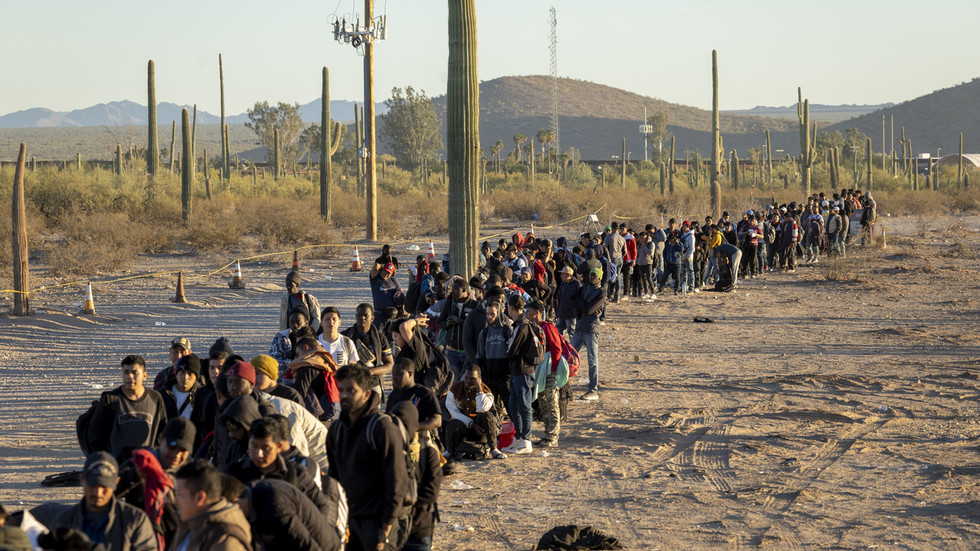
The United States is set to propose significant changes to the global asylum system at the United Nations General Assembly in New York this month. According to Reuters and Bloomberg, the U.S. will advocate for a framework that requires asylum seekers to claim protection in the first country they enter, rather than choosing their preferred destination.
The U.S. State Department has criticized the current system, saying it has been “abused by bad actors and economic migrants” and has contributed to the global migration crisis. The department argues that these abuses have disrupted entire regions, enriched criminal cartels, and violated the sovereignty of nations. A State Department spokesperson emphasized that every nation has the right to control its borders and that asylum should be temporary, with host governments deciding when conditions in a person’s home country are safe enough for return.
Under the proposed framework, asylum seekers would be required to claim protection in the first country they reach. This shift could mark a significant departure from the asylum regime that has been in place since the mid‑20th century, although the United States lacks the authority to unilaterally change the global framework.
The Trump administration has made curbing migration a key aspect of its domestic and foreign policy. It has tightened domestic asylum rules, declared a national emergency on the southern U.S. border, increased deportations, and pressured Latin American governments to stop migrant flows. The administration has also warned against migrant “caravans” from Latin America, portraying them as a threat, while rights groups argue that these groups consist mainly of poor people fleeing gang violence who travel together for protection.
The proposed changes are likely to spark significant debate at the UN General Assembly. The United States plans to hold an event on the sidelines of the assembly, calling for “commonsense and necessary reforms” to the asylum system. The event will provide a platform for the U.S. to promote its framework and discuss global migration with other nations. The outcome of these discussions will be closely watched, as it could shape the future of global migration policies.



Comments are closed for this story.